Let’s be real: most of the “meal prep” content on my feed feels like a full-time job. I’m tired of seeing those perfectly color-coded glass containers and $80 grocery hauls that require three hours of standing over a stove on a Sunday. When you’re juggling freelance deadlines and a tiny apartment, the last thing you need is a rigid system that feels more like a chore than a help. I’ve spent way too many Tuesdays staring into an empty fridge, wondering why I didn’t just make something better, which is why I’ve had to get serious about finding healthy meal prep ideas that actually fit into a chaotic, real-world schedule.
I’m not here to sell you on a lifestyle overhaul; I’m here to help you build a system that works when you’re tired. In this post, I’m breaking down five specific, low-maintenance strategies that prioritize function over aesthetics. We’re going to skip the complicated recipes and focus on modular components and “lazy” prep methods that save your sanity. By the end of this, you’ll have a toolkit of ideas that ensure you’re eating well without feeling like you’ve sacrificed your entire weekend to a kitchen sink full of dishes.
Table of Contents
The "Component" Strategy
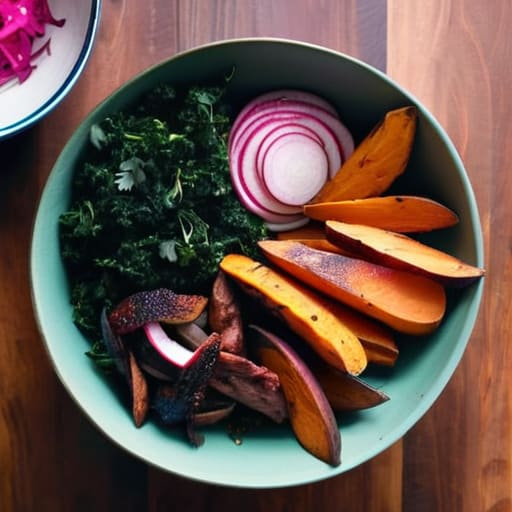
I used to think meal prepping meant spending my entire Sunday afternoon assembly-lining identical plastic containers filled with the same sad-looking chicken and broccoli. Honestly? That sounds like a recipe for flavor fatigue by Wednesday. Instead, I’ve moved toward a component-based system. This just means you prep individual building blocks—a big batch of roasted sweet potatoes, a tray of seasoned protein, and a jar of pickled onions—rather than finished meals.
Sheet Pan Magic
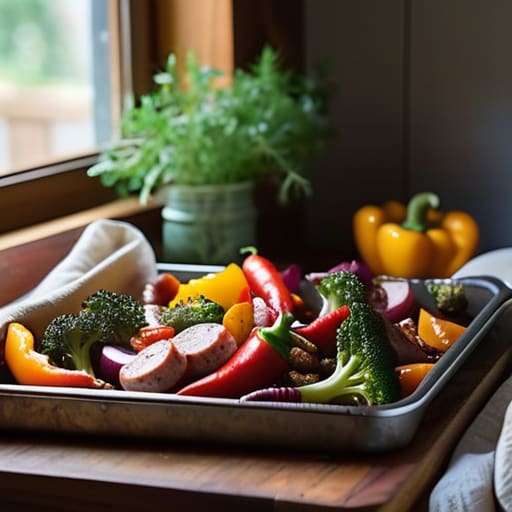
If your kitchen feels like a disaster zone every time you try to cook, sheet pan meals are going to be your new best friend. There is something deeply satisfying about the minimal cleanup involved here. You just chop up your veggies, toss them on a tray with some sausages or tofu, drizzle with olive oil and spices, and let the oven do the heavy lifting while you actually sit down and read a book.
The "Sauce is King" Rule
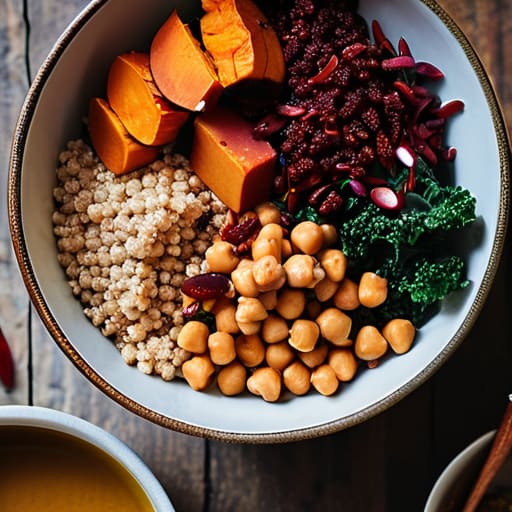
Let’s be real: most healthy food tastes like cardboard because we’re too afraid of calories or just too lazy to season things properly. My personal hack for keeping meal prep interesting is to invest in a few high-quality, versatile sauces. I keep a jar of tahini dressing, a spicy chili crunch, and a good balsamic glaze in the fridge at all times. These are the secret weapons that turn a boring bowl of grains and beans into something that actually feels like a restaurant meal.
Breakfast on Autopilot
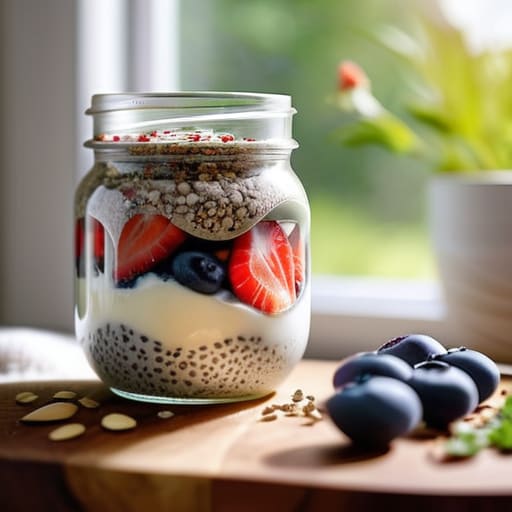
We often spend so much energy worrying about lunch and dinner that we completely neglect breakfast, which usually leads to a frantic, expensive run to the coffee shop. I’ve found that “overnight” style breakfasts are the ultimate way to reclaim your morning. Whether it’s chia pudding, overnight oats, or even just hard-boiled eggs prepped in a batch, the goal is to have something grab-and-go that doesn’t require a stove.
One-Pot Grain Bowls
When I’m staring at a fridge full of random leftovers, I always default to the grain bowl method. It’s the most forgiving way to eat well because there are no strict rules. You just need a base of grains—brown rice, farro, or even couscous—a heavy dose of greens, and whatever protein you have on hand. It’s the ultimate way to reduce food waste while keeping your nutrition on track.
The Real Goal of Meal Prep
Look, we aren’t trying to win a Michelin star or create a Pinterest-perfect fridge; we’re just trying to make sure that when Tuesday hits and the brain fog rolls in, we actually have something edible to eat that doesn’t involve a delivery app and a side of regret.
Audrey Lin-McCallum
The Goal Isn't Perfection
Look, we’ve covered a lot of ground here, from batch-cooking versatile grains to the “assembly line” method of prepping proteins. The common thread in all of these ideas isn’t that they require a massive Sunday afternoon time commitment or a kitchen full of matching glass jars. Instead, it’s about building a functional foundation that prevents that 6 PM “what am I even eating?” panic. Whether you’re just chopping some veggies ahead of time or prepping a massive pot of chili that lasts three days, the goal is to reduce the friction between you and a decent meal.
If you try all five of these and realize they don’t fit your specific brand of chaos, that is perfectly fine. Don’t force a system that feels like a second job. The real win here isn’t having a fridge that looks like a Pinterest board; it’s about creating a rhythm that actually supports your life. Start small, keep your multi-tool handy for those stubborn vegetable skins, and remember that progress beats perfection every single time. You’re doing better than you think you are, so just take the next small, delicious step.
Frequently Asked Questions
How do I stop my prepped veggies from turning into a soggy mess by Wednesday?
Ugh, the dreaded Wednesday sludge. I’ve been there. The secret is actually just physics: moisture is the enemy. Stop washing your veggies right before they go into the containers. If you must wash them, make sure they are bone-dry—use a salad spinner or even just a clean kitchen towel—before storing. Also, throw a folded paper towel into the container to soak up any stray condensation. It’s a tiny extra step, but it keeps things crisp.
I don't have a ton of kitchen counter space—can I actually do this without feeling like I'm living in a food factory?
Oh, I hear you. I spent years trying to prep entire weeks of meals on a counter barely big enough for a toaster, and it was a total nightmare. The trick isn’t finding more space; it’s about working in stages. Don’t try to chop everything at once. Prep one component—like a big batch of grains or roasted veggies—and then clear the deck. Keep your tools minimal, use a single large cutting board, and clean as you go.
What's the best way to prep if I'm someone who hates eating the exact same thing three days in a row?
Honestly, I used to be the person who would stare at a container of plain chicken and broccoli on Wednesday and feel like I was in a culinary prison. The secret is “component prepping” rather than “meal prepping.” Instead of building full meals, just prep versatile building blocks—a batch of roasted veggies, one protein, and a grain. That way, you can pivot from a Mediterranean bowl on Monday to a spicy stir-fry on Tuesday without any extra heavy lifting.