I was sitting at my kitchen table last Tuesday, staring at a “healthy” granola bar that had more syrup in it than my grandmother’s apple pie, and I just hit a wall. We’ve all been there—scrolling through those pristine wellness blogs that tell you to throw out every single thing in your pantry and replace it with expensive, organic, monk-fruit-sweetened magic dust. It’s exhausting, and frankly, it’s a lie. If you’re looking for a way to learn how to reduce sugar in your diet without turning your kitchen into a high-end boutique or spending your entire paycheck on “superfoods,” I hear you. Most of the advice out there is designed for people with unlimited time and zero real-world responsibilities, not for those of us just trying to keep it together between freelance deadlines and urban gardening.
I’m not here to sell you a lifestyle overhaul or a curated aesthetic of perfection. Instead, I want to share the small, actually sustainable tweaks I’ve used to steady my own energy levels and cut the cravings. We’re going to focus on building a system that works with your actual life—one that involves smart swaps and better reading habits rather than total deprivation. This is about making incremental changes that stick, because life is too short to spend it fighting your own pantry.
Table of Contents
Exposing the Hidden Sugars in Processed Foods
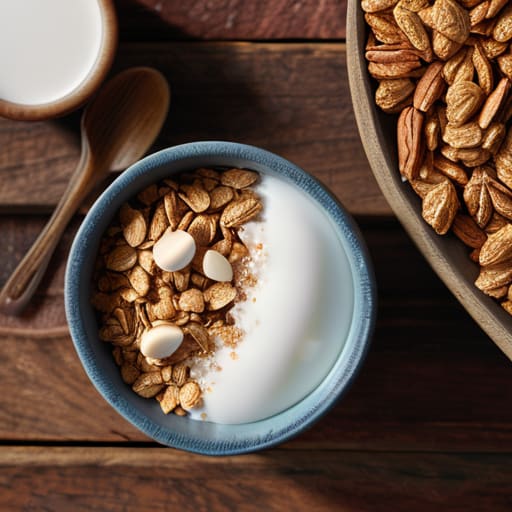
Here is the reality: most of the sugar you’re eating isn’t coming from that dessert you had after dinner; it’s sneaking into your “healthy” staples. I used to think my morning yogurt and granola were safe bets, but once I actually started learning how to read nutrition labels for sugar, I realized I was basically eating dessert for breakfast. Manufacturers are masters of disguise, using names like maltodextrin, barley malt, or agave nectar to make things sound more wholesome than they actually are.
It’s incredibly frustrating to realize you’re chasing a sugar high from a salad dressing or a jar of pasta sauce. The trick isn’t to panic and throw everything in your pantry away—that’s a recipe for burnout. Instead, I’ve found that simply becoming a detective during my grocery runs makes a massive difference. If you start spotting those hidden sugars in processed foods before they hit your cart, you’re already winning. It’s about building a bit of awareness so the food works for you, rather than letting a label dictate your energy levels for the rest of the afternoon.
Mastering How to Read Nutrition Labels for Sugar
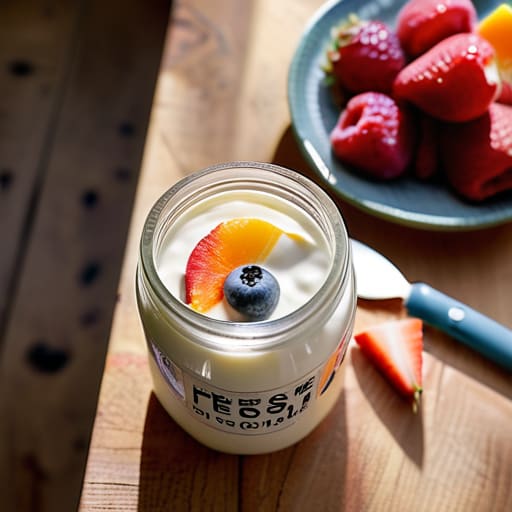
I used to think I was being “good” because I was avoiding the obvious stuff like candy bars or sodas, but I was totally missing the fine print. Learning how to read nutrition labels for sugar was a massive eye-opener for me. Most people just glance at the “Total Sugars” line and call it a day, but that’s where the real deception happens. You have to look specifically for “Added Sugars.” That’s the distinction between the sugar that naturally lives in a piece of fruit and the stuff manufacturers dumped in there to make a mediocre yogurt taste like a dessert.
If you’re feeling overwhelmed by the sheer number of ingredients, just focus on the first three. Since ingredients are listed by weight, anything high up on that list is a major component of what you’re actually eating. I’ve started looking for sneaky aliases like maltodextrin, barley malt, or agave syrup. It feels a bit like detective work at first, but once you get the hang of it, you’ll start seeing the hidden sugars in processed foods everywhere. It’s not about being perfect; it’s just about knowing what you’re actually putting in your body.
Small Swaps, Big Wins: My Low-Stress Strategy
- Don’t banish everything at once; just pick one “trigger” time of day to focus on. If you always grab a sugary coffee in the morning, try swapping the syrup for a dash of cinnamon or vanilla extract first. It’s about building a new habit, not punishing yourself.
- Keep a “real food” stash ready for when the afternoon slump hits. I used to reach for those granola bars that are basically just candy in disguise, but now I keep almonds or Greek yogurt in my bag. If the food is already there, you won’t hunt for the processed stuff.
- Rethink your liquid sugar intake. It is way too easy to drink hundreds of calories in soda or sweetened iced teas without even noticing. I started carrying my reusable water bottle everywhere and adding a squeeze of lemon or some frozen berries—it feels fancy, but it’s actually just hydration.
- Master the art of the homemade sauce. Store-bought dressings and marinades are notorious sugar bombs. I keep a small jar of olive oil, balsamic vinegar, and Dijon mustard in my fridge; it takes ten seconds to shake up, and you know exactly what went into it.
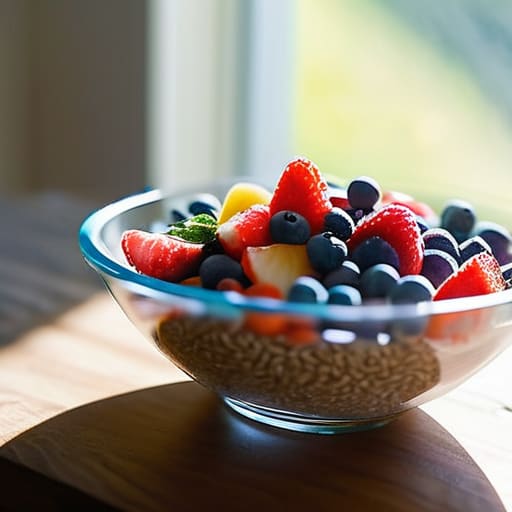
- Focus on adding, not just subtracting. Instead of just thinking about what you’re “losing,” think about what you can add to balance things out. Adding a handful of spinach to a smoothie or some fiber-rich seeds to your oatmeal helps stabilize your blood sugar so those intense cravings don’t hit as hard.
The Reality Check
“Don’t treat sugar reduction like a massive, daunting renovation project where you have to gut the whole kitchen; just think of it as swapping out a few faulty fixtures at a time until the system actually works for you.”
Audrey Lin-McCallum
The Long Game

Look, we’ve covered a lot of ground, from hunting down those sneaky additives in your favorite “healthy” yogurt to actually decoding the fine print on a nutrition label without needing a chemistry degree. The takeaway isn’t that you have to banish every gram of glucose from your kitchen forever; it’s about awareness. Once you start recognizing where those hidden sugars are lurking, you stop being a passive consumer and start making intentional choices. Whether it’s swapping a sugary cereal for something with more substance or just being more skeptical of “low-fat” labels, you’re already winning the battle against the processed food machine.
If you’re feeling overwhelmed by the idea of a total pantry overhaul, please, just take a breath. You don’t need to achieve a perfect, sugar-free lifestyle by Monday morning to see a difference in your energy levels. Real, sustainable change happens in the small, unglamorous moments—like choosing water over soda once a day or keeping a handful of nuts in your bag for when the afternoon slump hits. Focus on building systems that work for your actual life, not some impossible standard you saw on a curated feed. You’ve got this, one small swap at a time.
Frequently Asked Questions
What are some quick, low-effort snack swaps I can make when I'm stuck at my desk and craving something sweet?
When I’m deep in a project and that mid-afternoon sugar itch hits, I try not to fight it with pure willpower—that usually ends in a pantry raid. Instead, I keep a “desk drawer stash” of smarter swaps. Try Greek yogurt with a handful of berries instead of a granola bar, or apple slices with almond butter if you need something crunchy. It’s about satisfying the craving without the inevitable 3 p.m. crash.
How do I deal with the "sugar crash" or irritability that happens when I first start cutting back?
That “hangry” irritability is real, and honestly, it’s a bit of a rite of passage. When your body is used to those quick glucose spikes, it’s going to protest when you stop providing them. My best advice? Don’t just cut sugar; replace it with substance. Lean on healthy fats and protein to stabilize your blood sugar. Think avocado, nuts, or a hard-boiled egg. It keeps the crashes at bay while your system recalibrates.
Is it actually worth buying expensive "natural" sweeteners, or should I just focus on reducing all types of sugar entirely?
Honestly? Save your money. I’ve fallen for the “superfood” marketing trap before, thinking expensive agave or monk fruit would be my magic fix, but it’s usually just a way to keep your sweet tooth on life support. If you’re constantly swapping sugar for more sweeteners, you aren’t actually retraining your palate. Focus on reducing the total volume first. Let your taste buds adjust to real food—it’s cheaper and way more effective.