I am so tired of seeing those “budget meal” videos where someone spends $80 on organic microgreens and artisanal sourdough just to make a single avocado toast. Let’s be real: if a recipe requires a trip to a specialty boutique just to get the basic ingredients, it isn’t actually helping you save money. I grew up in a tiny apartment where we learned early on that budget friendly meals aren’t about chasing some aesthetic, Pinterest-perfect lifestyle; they are about making sure you actually have something delicious and filling in your stomach at 7:00 PM on a Tuesday without breaking the bank.
I’m not here to give you a list of impossible meal prep hacks that require three hours of your Sunday and a mountain of Tupperware. Instead, I’m sharing the actual systems I use to keep my kitchen running on a freelance budget. We’re going to focus on versatile staples, smart pantry swaps, and recipes that work with the time you actually have available. No fluff, no expensive gimmicks—just practical eating that fits into a real, messy, busy life.
Table of Contents
Low Cost Grocery Shopping Tips That Actually Save Time
Look, I’ve spent plenty of Sunday afternoons staring blankly at a grocery list, feeling like I was about to walk into a battlefield. The trick isn’t about spending three hours comparing the price per ounce of canned beans; it’s about reducing the decision fatigue that leads to impulse buys. My best low cost grocery shopping tips usually start with a quick audit of what I already have. Before you even leave the house, check the back of that cupboard. You’d be surprised how many meals can be built around those economical pantry staples like lentils, rice, or that half-box of pasta hiding in the corner.
Once you’re actually in the aisles, try to stick to the perimeter. That’s where the real, unprocessed food lives. If you’re trying to master nutritious eating on a budget, focus on versatile, bulk items like frozen veggies or eggs. They’re much harder to let go to waste than a head of organic kale that wilts the second you look away. Most importantly, shop with a loose plan, not a rigid script. If the recipe calls for bell peppers but they’re overpriced this week, just swap them for whatever is on sale. Flexibility is your best friend when you’re trying to keep things functional.
Economical Pantry Staples for a Functionally Stocked Kitchen
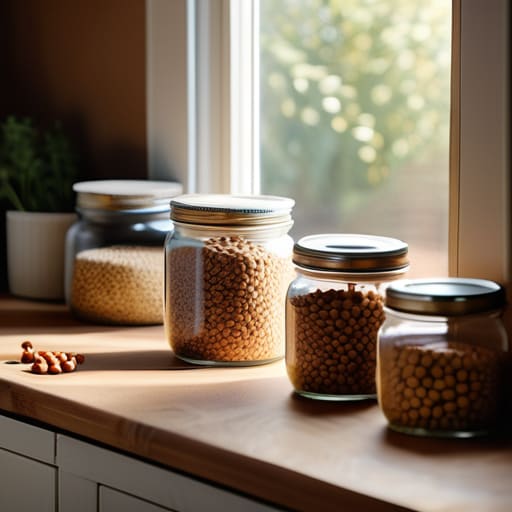
Look, I’ve learned the hard way that a “well-stocked” kitchen doesn’t mean a pantry full of expensive, artisanal spices you use once a year. To me, a functional pantry is all about the heavy lifters—the stuff that can be transformed into ten different meals with almost zero effort. I’m talking about dried lentils, canned chickpeas, brown rice, and oats. These are my go-to economical pantry staples because they have a massive shelf life and act as the foundation for just about everything. When I’m staring at my fridge on a Tuesday night feeling completely uninspired, it’s usually these basic grains and legumes that save me from the dreaded takeout siren song.
The trick is to view these items as building blocks rather than finished products. If you have a bag of quinoa and a tin of black beans, you’re already halfway to a decent salad or a quick burrito bowl. This mindset is a huge part of nutritious eating on a budget without the stress of complex recipes. You aren’t hunting for a specific, niche ingredient; you’re just assembling what you already have into something that actually fills you up.
Five Ways to Eat Well Without Breaking the Bank (or Your Spirit)
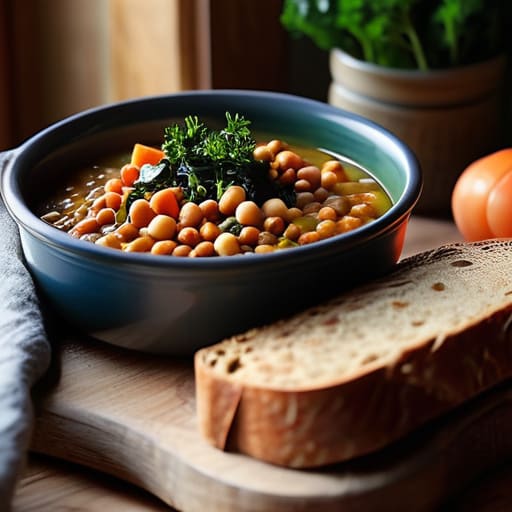
- Embrace the “Component Method” instead of rigid recipes. Instead of following a strict meal plan that falls apart the second you have a late meeting, just prep a few versatile components—like a big batch of roasted veggies, a pot of grains, or some shredded chicken. You can mix and match them throughout the week so you’re never staring blankly at the fridge at 7:00 PM.
- Stop treating frozen veggies like a “last resort.” Honestly, frozen produce is often more nutritious because it’s picked at peak ripeness, and it’s way cheaper than those sad-looking, wilted greens in the produce aisle. Plus, they won’t rot in your crisper drawer if your Tuesday gets hijacked by a deadline.
- Master the art of the “Pantry Pivot.” When you’re running low on funds toward the end of the month, look at what you already have before you even think about opening a grocery app. Most of the time, a can of chickpeas, some spices, and a bit of pasta can turn into a decent dinner that costs you almost nothing.
- Shop the perimeter, but keep an eye on the middle aisles. While the fresh stuff is great, that’s where the price tags climb. Don’t sleep on the canned beans, lentils, or oats tucked away in the center. They are the literal backbone of a budget-friendly kitchen and they last forever.
- Cook once, eat twice (or three times). I know, we’ve all heard it, but it’s a lifesaver for a reason. If you’re making a batch of chili or a tray of roasted sweet potatoes, make double. It’s much easier to reheat a portion for lunch than it is to find the motivation to cook a whole new meal in the middle of a workday.
The Reality of Eating Well on a Budget
“Forget the Pinterest-perfect meal prep containers and the three-hour Sunday cooking marathons; eating well on a budget is really just about knowing which staples to keep on hand and being okay with a meal that’s simple, filling, and actually fits into your Tuesday night.”
Audrey Lin-McCallum
Cutting Through the Kitchen Chaos
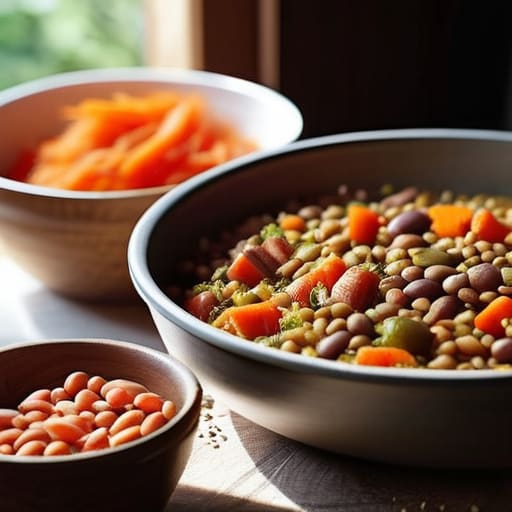
At the end of the day, eating well on a budget isn’t about following some rigid, Pinterest-perfect meal plan that leaves you exhausted by Wednesday. It’s really just about a few smart, repeatable habits: shopping with a bit of strategy, keeping those versatile pantry staples within arm’s reach, and being willing to pivot when life happens. Whether you’re leaning on a bag of lentils to stretch a meal or just buying whatever produce is actually on sale this week, you’re building a system that works for your wallet and your schedule. It’s not about being a gourmet chef; it’s about making the most of what you have without the unnecessary stress.
I know that looking at a mounting grocery bill or a messy pantry can feel incredibly overwhelming, especially when you’re already juggling a million other things. But please remember that you don’t have to overhaul your entire kitchen overnight. Start small—maybe just one new staple or one smarter shopping trip—and let the rest follow. We aren’t aiming for a flawless, magazine-ready lifestyle; we are just trying to create a functional rhythm that supports our real, busy lives. You’ve got this, and honestly, even the simplest meal is a win if it keeps you fueled and keeps your budget intact.
Frequently Asked Questions
How do I avoid getting bored eating the same few cheap staples every single week?
The “staple fatigue” is real. I used to think eating beans and rice meant I was destined for a lifetime of blandness, but it’s all about the flavor pivot. Keep your base ingredients the same, but swap the aromatics. One week, it’s cumin and lime for a quick burrito bowl; the next, it’s soy sauce and ginger for a stir-fry. Different spices, different textures, same low cost. Don’t change the budget; just change the vibe.
Is it actually worth the extra time to cook from scratch, or should I just stick to frozen and canned goods?
Honestly? It’s a sliding scale. If you’re staring at a mountain of prep work after a ten-hour workday, don’t feel guilty about reaching for the frozen peas or canned beans. That’s what they’re there for. But, if you have a pocket of time on a Sunday, cooking a few things from scratch—like a big batch of grains or a simple sauce—saves you money and makes those frozen staples taste much less lonely. Balance is everything.
What are some realistic ways to meal prep when I don't have a huge kitchen or hours of free time on Sundays?
Forget the idea that meal prep means spending six hours in a kitchen surrounded by twenty plastic containers. If you’re working with a tiny kitchen, “component prepping” is your best friend. Instead of full meals, just prep a big batch of roasted veggies, one grain, and a protein. It takes less space in a small fridge and gives you the flexibility to mix and match throughout the week so you don’t get bored.