I spent most of my twenties in a kitchen the size of a walk-in closet, where “organization” usually meant shoving a bag of half-eaten chips behind the toaster just to clear a square inch of counter space. I’ve seen enough viral videos of people buying $400 acrylic bins and labeling every single grain of quinoa to know that most kitchen tips and tricks you see online are completely divorced from reality. If a tip requires you to own a matching set of stoneware or spend three hours color-coding your spice drawer, it’s not a life hack—it’s a full-time job that you didn’t sign up for.
I’m not here to help you curate a Pinterest-perfect pantry that looks great in a still photo but falls apart the second you actually try to cook a Tuesday night pasta. Instead, I want to share the gritty, functional systems I’ve built to make my tiny space actually work for me. We’re going to focus on high-impact, low-effort shifts—the kind of real-world solutions that save you time, reduce the mental clutter, and help you find the cumin while you’re mid-dinner rush.
Table of Contents
Meal Prep Efficiency for People With Actual Lives
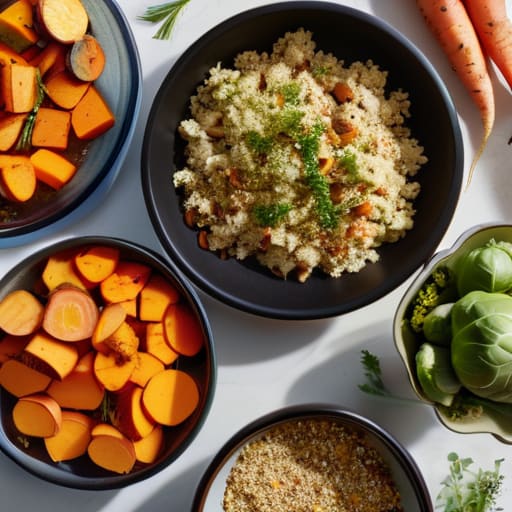
Look, I’m going to be the first to admit that I am not one of those people who spends six hours on a Sunday afternoon portioning out identical Tupperware containers of steamed broccoli and plain chicken. If that’s your vibe, go for it, but for the rest of us with jobs and social lives, that kind of rigid meal prep is a recipe for burnout. Instead, I focus on component prepping. I’ll roast a massive tray of seasonal veggies, boil a pot of grains, and prep one versatile protein. It’s less about following a strict recipe and more about having high-quality building blocks ready to go so you aren’t staring blankly at the fridge at 7:00 PM.
The real secret to meal prep efficiency isn’t actually the prepping itself—it’s the prep work you do before you even touch a cutting board. I’ve learned the hard way that if your knives are dull, you’re going to spend twenty minutes struggling with an onion that should have taken three. Investing a little time in basic knife skills for beginners and keeping your blades sharp makes the whole process feel less like a chore and more like a rhythm. It’s about working smarter, not harder.
Smart Food Storage Solutions That Prevent Waste
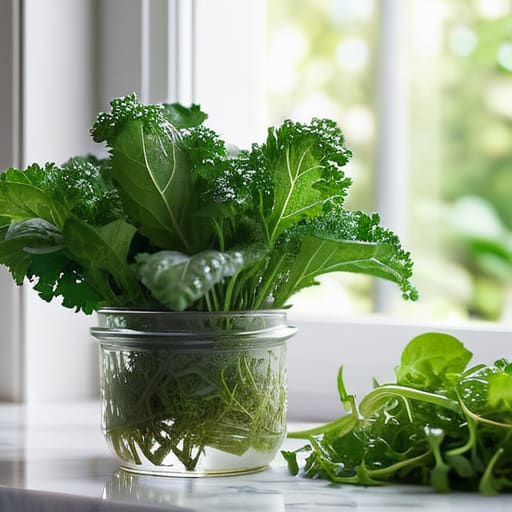
Look, we’ve all been there: you buy a beautiful head of organic kale with the best intentions, only to find a bag of green slime in the crisper drawer a week later. It’s not just a waste of money; it’s a tiny, recurring failure that adds to the mental load. The secret to better food storage solutions isn’t buying a $400 vacuum sealer; it’s about understanding how your food actually breathes. I’ve learned the hard way that herbs stay alive much longer in a glass of water like a bouquet, and leafy greens need a little bit of paper towel tucked into their container to manage the moisture.
If you want to level up your kitchen organization ideas without turning your fridge into a science experiment, try the “First In, First Out” method. I keep a small, cheap whiteboard on the fridge to jot down what needs to be eaten immediately. It sounds extra, but it saves me from that mid-week panic where I’m staring at ingredients I forgot I even owned. When you stop treating your fridge like a black hole, you stop throwing money in the trash.
Small Wins for a Kitchen That Doesn't Feel Like a Chore
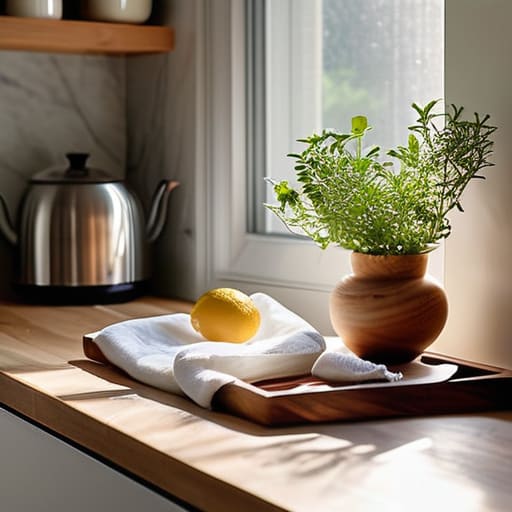
- Stop the “junk drawer” creep by setting a five-minute timer every Sunday to clear out those rogue soy sauce packets and dead batteries. If it doesn’t have a home, it shouldn’t be in your workspace.
- Group your tools by “activity clusters” rather than just category. Keep your oils, salt, and frequently used spices right next to the stove, and keep your measuring spoons tucked near your baking supplies so you aren’t playing scavenger hunt mid-recipe.
- Use your vertical space before you buy more counter appliances. I’m a huge fan of magnetic knife strips and hanging pot racks; getting the heavy stuff off the workspace makes even a tiny kitchen feel like it has room to breathe.
- Invest in a “landing strip” near your entryway or the kitchen door. A small tray for mail, keys, and your phone prevents the habit of dropping clutter on the kitchen island where you actually need to chop vegetables.
- Create a “one-in, one-out” rule for your gadgets. If you buy a fancy new air fryer, something else—maybe that bulky bread maker you used once in 2021—has to go. Your counter space is too valuable to be a graveyard for single-use appliances.
## The Real Goal of a Functional Kitchen
“Your kitchen shouldn’t feel like a high-stakes obstacle course every time you just want a piece of toast; it’s about building a space that supports your chaos instead of adding to it.”
Audrey Lin-McCallum
Making It Work for You
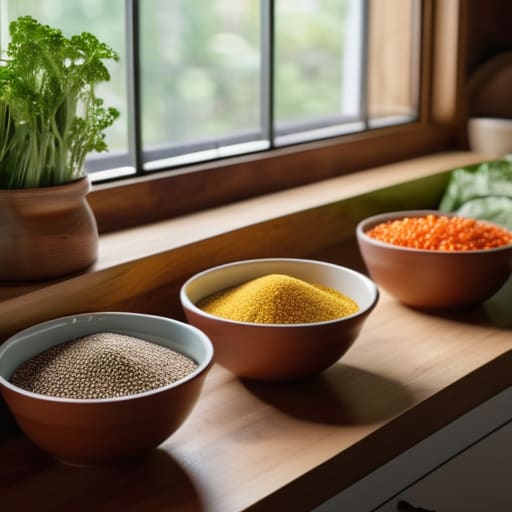
At the end of the day, none of this is about achieving some unattainable culinary zen or having a kitchen that looks like a showroom. We’ve talked about streamlining your meal prep so it doesn’t eat up your entire Sunday, and setting up storage systems that actually keep your produce from turning into a science experiment in the crisper drawer. The goal isn’t to do more; it’s to reduce the friction of daily life. If you can implement even one of these small tweaks—whether it’s a better way to organize your spices or a more realistic approach to prepping grains—you’re already winning the battle against the mid-week dinner scramble.
Please, give yourself some grace if your kitchen still feels a little chaotic tomorrow. Systems aren’t “set it and forget it” deals; they are living, breathing things that you’ll likely need to tweak as your schedule shifts or your pantry evolves. Don’t get hung up on the idea that you have to do it all at once. Just pick one small corner or one specific habit to improve this week. Life is messy, and your kitchen will be too, but it’s much easier to navigate when you have tools that actually serve you instead of just adding more chores to your to-do list.
Frequently Asked Questions
I have zero counter space—how do I organize a kitchen without buying a bunch of bulky organizers that just make things more cluttered?
Look, I’ve lived in enough tiny apartments to know that “buying more organizers” is usually just a fast track to more clutter. If your counters are non-existent, stop looking at them and start looking up. Get some heavy-duty command hooks for your utensils and a magnetic strip for knives. Also, those undershelf wire baskets? Total lifesavers for stacking things vertically in your cabinets. We’re reclaiming your workspace, one inch at a time.
How do I actually stick to a meal prep routine when my work schedule changes every single week?
The secret is to ditch the “Sunday Batch Cook” obsession. If your schedule is a moving target, you can’t commit to three hours of heavy lifting on one specific day. Instead, try “component prepping.” Roast a tray of veggies, boil some eggs, or cook a big batch of grains whenever you do have a spare moment. It’s about building a modular pantry of ready-to-go bits that you can assemble in five minutes, no matter what your calendar throws at you.
What are some realistic ways to keep my pantry from turning into a "black hole" where ingredients go to die?
First, ditch the idea that you need matching glass canisters to be “organized.” That’s just more work. Instead, try the “one-in, one-out” rule and keep your most-used items at eye level. I also swear by clear bins for snack bags or pasta—if you can see the bottom of the bin, you know it’s time to shop. Finally, group things by “use case” (like a baking zone) so you aren’t hunting for flour mid-recipe.