I’ve spent way too many Sunday afternoons staring at a Pinterest board of “aesthetic” pantries, feeling like a complete failure because my spice rack doesn’t look like a color-coordinated work of art. We’ve been sold this lie that learning how to stock a healthy kitchen requires expensive organic superfoods, glass jars for every single grain, and a massive amount of unused counter space. Honestly? That’s just performative wellness, and it’s exhausting. If your kitchen setup requires a degree in interior design and a massive budget just to function, the system is broken, not you.
I’m not here to give you a shopping list of luxury items you’ll end up throwing away when they expire in three weeks. Instead, I want to show you how to build a pantry that actually supports your real, messy, Tuesday-night life. We’re going to focus on versatile staples and manageable systems that prioritize nutrition without the unnecessary overhead. My goal is to help you create a kitchen that works for you, making healthy eating a seamless part of your routine rather than another overwhelming project on your to-do list.
Table of Contents
Nutritious Grocery List Essentials for Busy Schedules
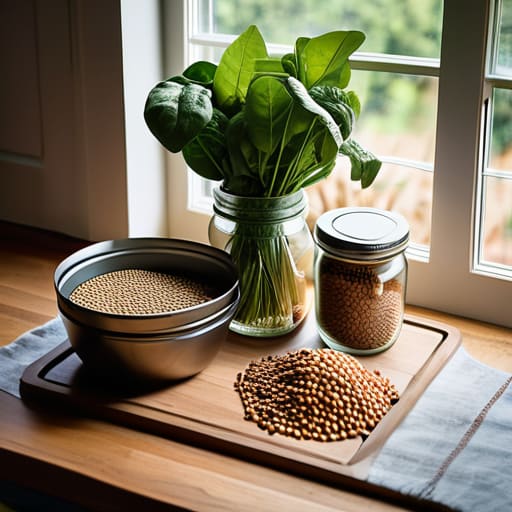
Look, I’m not here to tell you to buy organic dragon fruit and artisanal microgreens every week. If you’re staring at a grocery list that looks like a wellness influencer’s dream, you’re probably going to end up ordering takeout by Wednesday. Instead, focus on nutrient dense kitchen essentials that actually have a shelf life. I’m talking about the heavy hitters: canned chickpeas, lentils, frozen spinach, and quinoa. These are my absolute go-to whole food pantry staples because they don’t expire the second you look away, and they can be thrown into a pan in under ten minutes.
The secret to not crashing mid-week is building a list around versatility. Grab a bag of frozen berries for your morning oats and some rotisserie chicken (or a can of tuna) to bridge the gap when you’re too tired to cook from scratch. When you prioritize these nutritious grocery list essentials, you aren’t just buying food; you’re buying future-you a little more breathing room. It’s about having the building blocks ready so that “what’s for dinner” doesn’t feel like a crisis management meeting.
Whole Food Pantry Staples That Actually Last
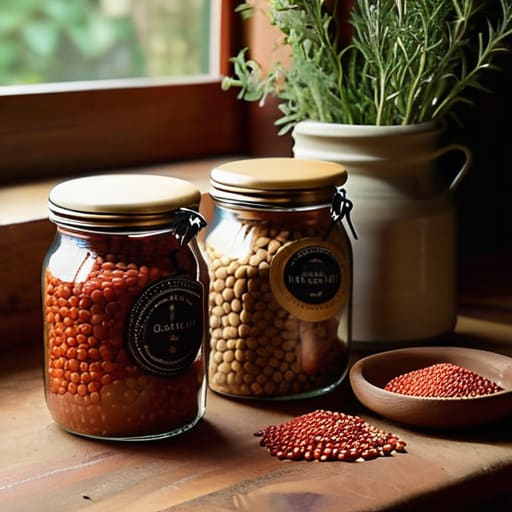
Look, I get it. The idea of a “perfect” pantry full of glass jars and color-coded grains is exhausting. In reality, a functional pantry is just a collection of things that won’t die if you forget about them for two weeks. I’m a big believer in investing in whole food pantry staples that act as a safety net for those nights when you’re too tired to actually “cook.” Think dried lentils, quinoa, canned chickpeas, and maybe a few jars of high-quality marinara. These aren’t just random items; they are your foundation for meal prepping with healthy ingredients without needing a culinary degree.
The trick is focusing on shelf-stability without leaning into the stuff that comes in a neon-colored box. I always keep a stash of nuts, seeds, and even some frozen veggies—yes, the freezer counts as part of your pantry system. If you have a bag of frozen spinach and a tin of sardines or beans, you’ve suddenly got a meal instead of a crisis. It’s about having nutrient dense kitchen essentials on hand so that “I have nothing to eat” never becomes your default setting.
5 Ways to Stop the "What's for Dinner?" Panic
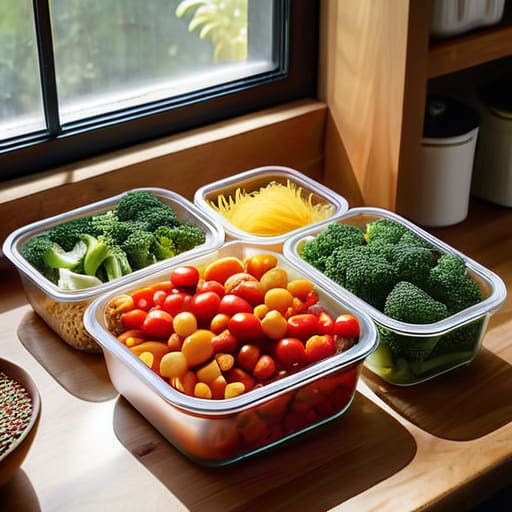
- Stop trying to meal prep for the entire week on Sunday. Honestly, that’s a recipe for burnout. Instead, just prep your “components”—think a big batch of quinoa, some roasted veggies, or a jar of vinaigrette. It’s much easier to assemble a quick bowl on a Wednesday than it is to reheat a pre-made meal that’s lost its soul.
- Embrace the frozen aisle like your life depends on it. Frozen spinach, berries, and peas aren’t “cheating”; they’re lifesavers. They’re often more nutritious than the stuff that’s been sitting in your crisper drawer for a week, and they won’t turn into a science experiment in the back of your fridge.
- Build a “Rescue Kit” for those nights when you’re too exhausted to even look at a recipe. I’m talking about things like high-quality canned beans, jarred pesto, or a good sourdough loaf. If you have these on hand, a “dinner” can be a five-minute bean salad or toast with smashed avocado rather than a $30 delivery fee.
- Organize your pantry by “usage frequency,” not just category. I put my everyday stuff—oats, coffee, olive oil—at eye level and in easy-to-reach spots. If I have to move three heavy flour bags just to find the salt, I’m probably just going to skip the cooking altogether.
- Keep a “Use It or Lose It” bin in your fridge. It’s a small container where I toss anything that’s looking a little sad—that half-onion, the wilting kale, the last bit of yogurt. Before I go grocery shopping, I make it a rule to raid that bin first. It saves money and keeps me from feeling guilty about food waste.
The Real Goal of a Healthy Kitchen
A healthy kitchen isn’t about having a Pinterest-perfect array of glass jars and organic superfoods; it’s about having the right tools and ingredients on hand so that when life gets messy, you aren’t stuck deciding between a takeout bag and an empty stomach.
Audrey Lin-McCallum
Making It Work for You
At the end of the day, stocking a healthy kitchen isn’t about achieving that perfectly color-coordinated, glass-jar aesthetic you see on social media. It’s about having the right tools in your arsenal so that when 7:00 PM rolls around and you’re exhausted, you aren’t staring blankly at an empty fridge. By focusing on those versatile proteins, long-lasting whole grains, and quick-access frozen veggies we talked about, you’re essentially building a safety net for your future self. It’s about moving away from the “all or nothing” mentality and toward a system of smart, sustainable defaults that make eating well feel like a natural part of your routine rather than an extra chore on your to-do list.
Please remember that your kitchen is a tool, not a museum. Some weeks you’ll meal prep like a pro, and other weeks you’ll survive entirely on toast and whatever canned beans are hiding in the back of the cupboard—and that is perfectly okay. The goal isn’t perfection; it’s progress and functionality. Start small, buy what you actually enjoy eating, and let your pantry evolve alongside your lifestyle. You don’t need a massive renovation or a massive budget to reclaim your kitchen; you just need a few reliable staples and a little bit of grace for yourself as you figure it out.
Frequently Asked Questions
How do I avoid letting all these healthy staples go to waste if I end up having a week where I'm too exhausted to cook?
Look, we’ve all had those weeks where the couch feels more inviting than the stove. When that happens, don’t panic. The trick is to lean on your “emergency” staples. Keep a few frozen veggies and canned beans on hand—they’re nutritional lifesavers that require zero prep. If you do buy fresh stuff, prep it immediately. Chop those veggies or portion that protein right when you have the energy, so “cooking” later is just assembly.
I live in a tiny apartment with almost zero pantry space—how do I stock up without it feeling like a cluttered mess?
I feel this in my soul. When I was living in that tiny studio downtown, my “pantry” was basically one shelf and a corner of the counter. The trick isn’t buying more; it’s buying smarter. Ditch the bulky cardboard boxes and move everything into slim, stackable clear containers—they utilize vertical space way better. Also, prioritize “multi-taskers” like quinoa or lentils that don’t need much room but do a lot of heavy lifting for your meals.
What are some quick, low-effort meal ideas I can make using only the staples I've just bought?
Since we’re leaning into functionality over perfection, let’s keep it simple. If you’ve got those grains and canned goods, try a “pantry bowl”: quick quinoa or rice topped with chickpeas, whatever canned veg you have, and a drizzle of olive oil. Or, go for a classic savory oats—it sounds weird, but with some canned beans and spices, it’s a lifesaver. No fancy prep, just fuel that actually keeps you going.