I’m so over the idea that you need a professional-grade non-stick pan and a degree from a culinary institute just to figure out how to cook eggs. Honestly, if I see one more “aesthetic” tutorial featuring a marble countertop and a perfectly staged kitchen, I might actually lose it. Most of us are trying to make breakfast in a cramped kitchen while simultaneously checking our emails and wondering where we left our keys. You don’t need a curated lifestyle to get a decent meal on the table; you just need a way to make them edible without turning your morning into a stressful chore.
In this guide, I’m stripping away the fluff and the fancy equipment. I’m going to show you the most practical, low-maintenance methods I’ve learned from years of living in tiny apartments and working erratic freelance hours. We’re talking about real-world techniques that actually work when you’re running late or feeling completely overwhelmed. No pretension, no expensive gadgets—just straightforward, functional advice that ensures you actually get fed so you can get on with your day.
Table of Contents
Mastering Scrambled Egg Texture Tips for Busy Mornings
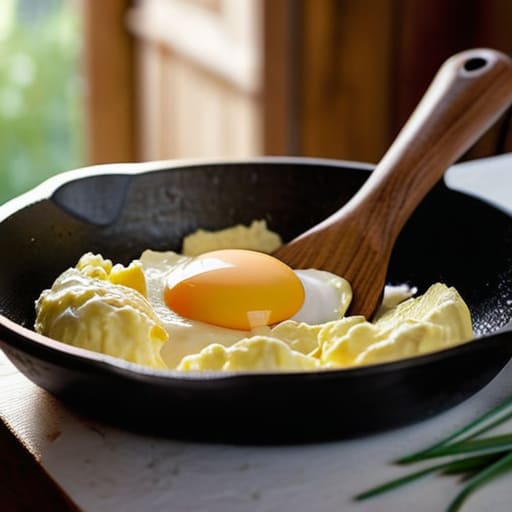
If you’re anything like me, the goal isn’t a Michelin-star omelet; it’s a breakfast that doesn’t leave you scrubbing a burnt pan while you’re already running late. To get that perfect, creamy consistency without the stress, my go-to scrambled egg texture tips involve one thing: heat management. Most people blast the burner on high, which is a one-way ticket to rubbery, sad eggs. Instead, keep your heat at medium-low and keep those eggs moving. If you see them setting too fast, just lift the pan off the heat for a few seconds. It’s all about that gentle, constant motion to ensure they stay soft rather than turning into something resembling a sponge.
Another trick I’ve learned from my years of trial and error is to pull them off the stove while they still look a little “wet.” They’ll continue to cook on the plate from their own residual heat, so if they look finished in the pan, they’ll be overdone by the time you sit down. Mastering these egg cooking temperatures is the ultimate way to turn a five-minute task into a small, functional win for your morning routine.
A Realistic Boiled Egg Timing Guide for Real Life
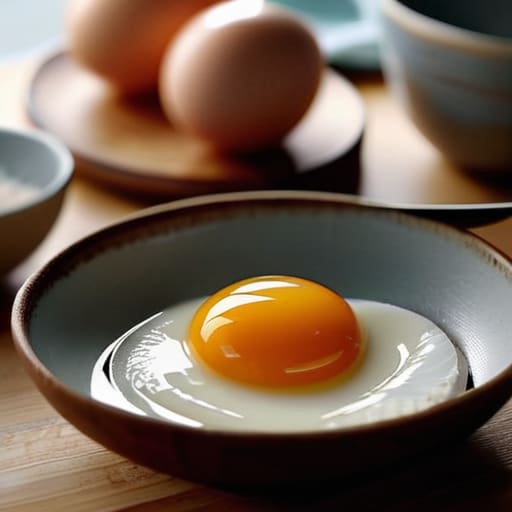
Look, I’ve spent way too many mornings staring at a timer, praying I didn’t end up with something that looked like a rubber ball or a liquid mess. If you’re looking for a foolproof boiled egg timing guide, forget the complicated charts. Start with a pot of water that’s already boiling, gently lower your eggs in with a slotted spoon, and set your phone timer immediately. This is the only way to get consistent results when you’re already running five minutes late for a Zoom call.
For a jammy yolk that’s perfect for avocado toast, aim for exactly six and a half minutes. If you need a solid, firm yolk for a quick protein boost in a salad, go for ten minutes. Once that timer dings, get them into an ice bath immediately. It stops the cooking process dead in its tracks and makes them much easier to peel—which is a total lifesaver when you don’t have the patience for a kitchen battle. These are some of the best ways to prepare eggs when you need something high-protein but zero-effort.
Five Egg Hacks for When You’re Running on Empty
- Don’t skip the salt early. If you’re doing scrambled eggs, season them in the bowl before they hit the pan; it helps break down the proteins so you don’t end up with those weird, watery puddles on your plate.
- Stop obsessing over “perfect” yolks. If you’re hard-boiling eggs for meal prep and a yolk breaks, just chop it up and throw it in a salad. It’s still protein, and nobody is grading your breakfast.
- Use a tiny bit of butter instead of oil. I know, it’s an extra step, but it adds a layer of flavor that makes a basic egg feel like an actual meal rather than just fuel to get you through a Zoom call.
- Keep a jar of “everything seasoning” or just some red pepper flakes near the stove. When you’re too tired to chop herbs or prep fancy garnishes, a quick shake makes the eggs look and taste intentional.
- Master the “low and slow” approach for omelets. If you crank the heat too high because you’re in a rush, you’ll get that rubbery, brown texture that’s impossible to swallow. Keep it low, keep it moving, and save your teeth the trouble.
## The Philosophy of the Perfect Egg
“Look, I’m not trying to win a Michelin star in my tiny kitchen; I just want an egg that’s actually edible and doesn’t take twenty minutes of my morning to execute. It’s not about the perfect plating—it’s about finding a method that works when you’re already running five minutes late.”
Audrey Lin-McCallum
Making it Work for You
At the end of the day, whether you’re aiming for that perfect, creamy scramble for a slow Saturday or just need a hard-boiled egg tossed in your bag for a midday protein hit, the goal isn’t culinary perfection. It’s about having a reliable system in your kitchen that works when you’re running on four hours of sleep. We’ve covered the timing, the heat control, and the little tweaks that keep things from turning into a rubbery mess. Once you get the hang of these basics, you aren’t just cooking an egg; you’re reducing the friction of your morning routine so you can actually focus on the rest of your day.
Don’t let the pressure of “aesthetic” cooking get in your head. If your eggs come out a little messy or your yolk isn’t quite the shade of sunset you saw on Instagram, it’s okay. Life is messy, and your breakfast should be allowed to be, too. The real win is that you’re feeding yourself something real and functional without needing a degree in gastronomy. Just grab your pan, trust your instincts, and remember that small, repeatable wins in the kitchen are exactly how we build more manageable, less overwhelming lives. You’ve got this.
Frequently Asked Questions
How do I stop my eggs from sticking to the pan if I'm not using a fancy non-stick skillet?
Look, I’ve spent way too many mornings scrubbing egg crust off a stainless steel pan because I wanted to feel fancy. If you aren’t using non-stick, the secret is heat management and fat. Get your pan warm first, then add a decent amount of butter or oil—don’t be stingy. Once the fat shimmers, crack the eggs in. If they start grabbing the metal, pull it off the heat for a second. Patience beats scrubbing any day.
Is there a way to prep a bunch of hard-boiled eggs for the week without them getting that weird, sulfurous smell?
Ugh, the “sulfur smell” is the absolute worst—it’s basically a sign that you overcooked them. To avoid that, pull your eggs out of the hot water the second the timer hits and plunge them straight into an ice bath. It stops the cooking process immediately. Also, peel them right before you eat them if you can; keeping them in the shell in a sealed container in the fridge helps keep the scent at bay.
I'm always running late—can I actually make a decent omelet in under five minutes, or is that just a myth?
Look, I get it—the “five-minute omelet” feels like a lie told by people with too much time on their hands. But it’s not a myth, you just have to stop treating it like a culinary performance. Skip the fancy folding and the gourmet fillings. Whisk two eggs with a splash of water, throw them in a hot, buttered pan, and just scramble them slightly before you let them set. It’s more of a “scramble-omelet” hybrid, but it’s delicious and actually fits into a chaotic morning.