I used to think that learning how to meal prep meant spending my entire Sunday afternoon in a kitchen that looked like a flour-dusted crime scene, surrounded by twenty identical glass containers filled with perfectly cubed sweet potatoes. If I see one more video of someone meticulously arranging rainbow-colored quinoa bowls like they’re prepping for a high-end photoshoot, I might actually lose it. Real life is messy, and your kitchen is usually too small for that kind of performative productivity. I’ve learned the hard way that if a system is too complicated to maintain when you’re running on four hours of sleep, it’s a failed system.
I’m not here to sell you on a lifestyle overhaul or a mountain of expensive Tupperware. Instead, I want to show you how to build a sustainable rhythm that actually fits into your week without draining your bank account or your sanity. We’re going to focus on functional systems—the kind where you can throw some protein and grains in a bowl so you aren’t scrambling for food when you’re exhausted on Tuesday. This is about making life easier, not adding another chore to your never-ending to-do list.
Table of Contents
Weekly Meal Planning Tips That Fit Your Chaos
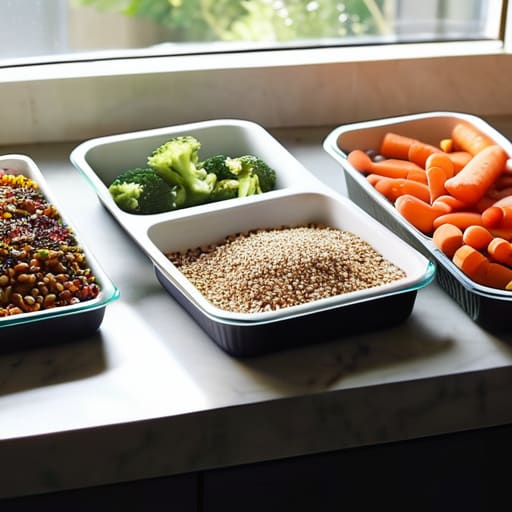
First off, let’s kill the idea that planning your meals requires a three-hour window and a color-coded spreadsheet. If you’re anything like me, your “planning” phase usually happens at 8:00 PM on a Sunday while you’re staring blankly into a half-empty fridge. Instead of trying to map out every single calorie, try focusing on modular components. Think about prepping one big batch of grains, two roasted veggies, and a versatile protein. This way, you aren’t stuck eating the exact same Tupperware meal five days in a row; you’re just assembling different versions of the same base.
When you’re looking for weekly meal planning tips that actually stick, keep it low-stakes. I’ve found that the most sustainable approach is to pick two “anchor” meals to cook in bulk. Don’t worry about finding the most elaborate healthy meal prep ideas on TikTok; just aim for things that won’t make you miserable by Wednesday. If you have a few decent meal prep containers for storage ready to go, you can just toss things in as they finish cooking. The goal isn’t a culinary masterpiece—it’s just making sure you don’t end up ordering expensive, salty takeout because you’re too tired to think.
Healthy Meal Prep Ideas That Actually Taste Good
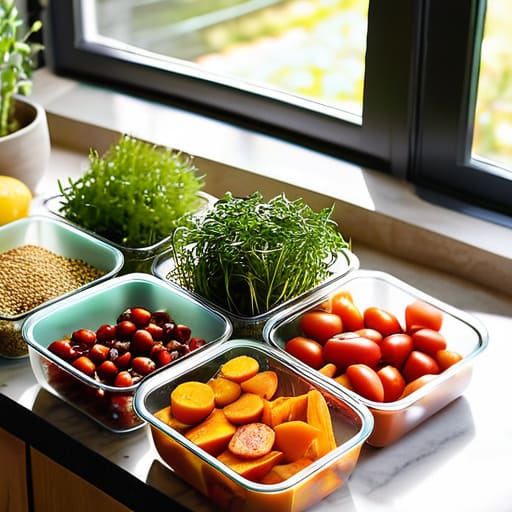
Look, I’ve been there—standing in front of a fridge full of sad, wilted spinach and unseasoned chicken, wondering why I even bothered. The secret to finding healthy meal prep ideas that don’t feel like a chore is to stop thinking in terms of “diet food” and start thinking in terms of flavor profiles. Instead of making one massive, monolithic dish that you’ll be sick of by Wednesday, try a “component” approach. Roast a big tray of seasoned sweet potatoes, cook up a batch of quinoa, and grill some lemon-herb chicken. When you mix and match these building blocks, you aren’t eating the same meal five times; you’re just assembling different bowls.
If you’re looking for something even lower effort, lean into batch cooking techniques like making a massive pot of chili or a hearty lentil stew. These are the unsung heroes of a busy week because they actually improve after a night in the fridge. Just make sure you invest in decent meal prep containers for storage—glass is my go-to because it doesn’t retain those weird curry smells and it goes straight from the fridge to the microwave without turning your food into a plastic-tasting mess.
Five Ways to Prep Without Losing Your Mind
- Stop trying to cook five different recipes on a Sunday. Honestly, the most efficient thing you can do is cook one giant batch of a versatile base—like roasted sweet potatoes or a big pot of quinoa—and just swap the toppings throughout the week so you don’t feel like you’re eating the same sad meal every single day.
- Embrace the “component prep” method. Instead of assembling entire meals that get soggy in the fridge by Wednesday, just prep the building blocks: chop your onions, wash your greens, and cook your protein separately. It gives you much more flexibility when you’re actually hungry and want something slightly different.
- Invest in decent, airtight containers, but don’t go overboard with a matching set if you don’t need them. The goal is to see what you have so things don’t die in the back of the fridge. If you can’t see it, you won’t eat it, and that’s just a waste of money.
- Keep a “emergency pantry stash” for those nights when even your meal prep feels like too much work. Having a can of chickpeas, some jarred pesto, and a box of decent pasta means you can have a meal in ten minutes without reaching for the takeout app.
- Don’t be afraid of the freezer. If you realize you’ve made way too much chili or soup, portion it out into individual containers and freeze them immediately. Those are your “get out of jail free” cards for the weeks when life inevitably gets messy and you have zero time to cook.
Forget the Pinterest Perfection
“Stop trying to build a week of identical, color-coded Tupperware meals like you’re auditioning for a lifestyle magazine. Real meal prepping isn’t about perfection; it’s just about making sure that when you’re staring blankly at the fridge on a Tuesday night, you actually have something edible ready to go.”
Audrey Lin-McCallum
The Goal Isn't Perfection, It's Sanity
At the end of the day, meal prepping isn’t about having a fridge full of identical, color-coordinated glass containers that look like they belong in a lifestyle magazine. It’s about the small wins: having a container of roasted veggies ready when you’re too tired to chop anything, or knowing you have a reliable grain base so you aren’t staring blankly at the pantry at 7:00 PM. Whether you’re planning a full week of meals or just prepping two versatile proteins to mix and match, the goal is to build a system that serves you. Focus on the basics—the planning, the simple cooking, and the realistic portions—and let the rest fall where it may.
Please, give yourself some grace if your first attempt feels a little messy or if you end up ordering takeout anyway. Life is unpredictable, and sometimes even the best-laid plans get derailed by a late meeting or a sudden bout of exhaustion. The point of this isn’t to add another “to-do” to your list that makes you feel guilty; it’s about reducing the mental load of daily survival. Start small, keep it functional, and remember that even a semi-successful meal prep is a massive step toward a more manageable week. You’ve got this.
Frequently Asked Questions
How do I stop my prepped meals from tasting like soggy leftovers by Thursday?
The “soggy leftover” syndrome is usually a moisture management problem, not a cooking one. My biggest rule? Keep your textures separate. Don’t dress your salads or add sauce until you’re actually ready to eat; use small, reusable containers for dressings to keep things crisp. Also, let your hot food cool down completely before snapping the lid on. If you trap steam in that container, you’re basically creating a tiny, sad sauna for your veggies.
I don't have much counter space—how can I meal prep without turning my tiny kitchen into a disaster zone?
Look, I’ve spent half my life navigating a kitchen the size of a closet, so I get it. The secret isn’t more counter space; it’s better timing. Don’t try to chop everything at once. Work in “zones”—prep your veggies while the pasta boils, or chop your protein while the oven preheats. Most importantly: clean as you go. If you let a mountain of dishes pile up, you’ve already lost the battle.
Is it better to prep entire meals in advance or just prep the individual ingredients to mix and match?
Honestly, it depends on how much mental energy you have left by Thursday. If you’re feeling totally fried, prepping full meals is a lifesaver—just grab a container and go. But if you get bored easily (which is me), I swear by the “component method.” Chop the veggies, cook a big batch of grains, and roast some protein. It gives you the flexibility to pivot from a grain bowl to a quick stir-fry without feeling stuck.