I was staring at a stack of overpriced, clear plastic bins from a big-box retailer last weekend, wondering why I felt like I was being sold a lifestyle I didn’t actually live. The internet loves to tell you that knowing how to store seasonal items requires a color-coded system, custom-fitted dividers, and enough money to fund a small startup. But let’s be real: if you’re living in a space where every square inch counts, you don’t need a Pinterest-perfect warehouse; you just need your stuff to stop taking up your living room.
I’m not here to give you a lecture on aesthetic organization or suggest you buy a second storage unit. Instead, I’m going to share the gritty, functional methods I’ve used to manage my own clutter—from maximizing high shelves to repurposing what I already have in my junk drawer. We’re going to focus on building systems that actually work for a busy, real-world schedule. No fluff, no wasted money, just straightforward solutions that get your seasonal gear out of sight and out of mind.
Table of Contents
Finding the Best Bins for Seasonal Storage That Actually Fit
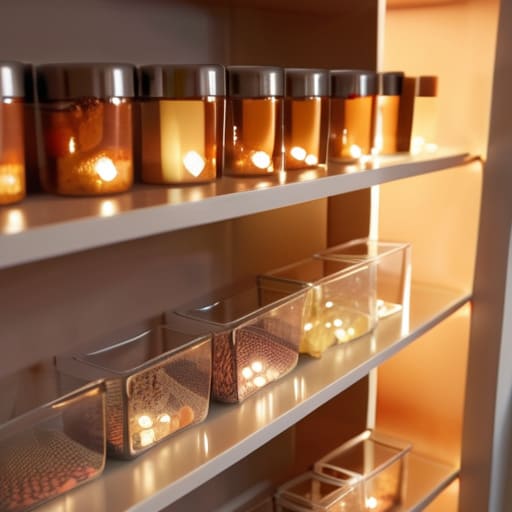
Look, I’ve spent way too many weekends staring at a mountain of tangled lights and half-packed boxes, wondering why I didn’t just buy the “perfect” containers. The truth is, there is no single “best” bin, only the one that actually fits your specific life. If you’re working with a tiny apartment closet, you need space-saving storage solutions like slim, stackable totes that utilize vertical height rather than eating up your floor space. I personally swear by clear plastic bins; being able to see exactly where the pumpkin spice candles are without digging through five opaque tubs is a total game-changer for my sanity.
However, don’t just grab the cheapest thing you see at a big-box store. If you’re dealing with delicate pieces, you have to prioritize protecting fragile ornaments by choosing bins with sturdy lids that won’t buckle under weight. For things like heavy winter coats or heirloom linens, I always suggest airtight containers. It’s the easiest way to focus on preventing moisture damage in storage, especially if your storage unit or basement feels a little damp. Just match the bin to the item’s vulnerability, and you’re halfway there.
Space Saving Storage Solutions for People With Real Lives
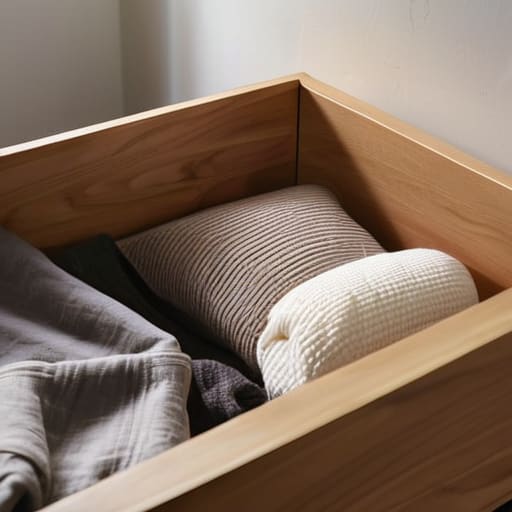
If you’re living in a place where your “closet” is actually just a corner of your bedroom, you don’t have the luxury of a massive basement or a dedicated storage unit. You have to get strategic. One of my favorite space-saving storage solutions is utilizing the “dead zones” in your apartment—the space under your bed or that awkward gap between your wardrobe and the ceiling. I’m a huge fan of using slim, rolling under-bed bins for things like heavy winter coats or extra linens. It keeps them out of sight and out of the way, which is a massive win for your mental clarity when you’re trying to navigate a tiny room.
When it comes to organizing seasonal clothing, don’t just cram everything into a pile. I’ve learned the hard way that if you don’t use vacuum-seal bags for your bulky sweaters and puffer jackets, you’re essentially wasting half your closet space. Just make sure you check the seal every few months; there’s nothing worse than pulling out a “saved” sweater only to find it’s lost its shape or, worse, smells like a damp basement. It’s all about finding that sweet spot between saving room and actually being able to find your stuff when the temperature drops.
Five Ways to Stop Your Holiday Decor From Eating Your Living Room
- Label everything—and I mean everything. Don’t just write “Christmas” on a box; write “Christmas: Tree Ornaments & Lights.” Trust me, when you’re digging through a stack of bins in a dark closet three months from now, you’ll thank me for not making you play a guessing game.
- Use the “One-In, One-Out” rule to keep the clutter from winning. If you bought a new set of spooky Halloween ceramics this year, maybe it’s time to donate that old, dusty pumpkin centerpiece that’s just taking up space. Your storage bins aren’t bottomless pits.
- Vacuum seal your soft stuff. If you have seasonal blankets, heavy winter sweaters, or even plush holiday pillows, use those vacuum storage bags. They shrink everything down to a fraction of its size, which is a total game-changer when you’re working with limited closet real estate.
- Group by “activity” rather than just “season.” Instead of having a random pile of summer gear, group your beach towels, sunscreen, and sand toys in one dedicated waterproof bin. It makes grabbing everything you need for a weekend trip a five-minute task instead of a scavenger hunt.
- Don’t get caught up in the “perfect aesthetic” trap. You don’t need those expensive, color-coordinated linen baskets to be organized. A stack of sturdy, mismatched plastic bins from a big-box store works just as well, and they’re way easier to clean if something leaks or breaks.
The Goal Isn't Perfection
“We need to stop trying to make our storage look like a Pinterest board and start making it work for our actual lives; if a bin is sturdy, fits under the bed, and keeps your holiday lights from becoming a tangled nightmare, you’ve already won.”
Audrey Lin-McCallum
Making It Stick
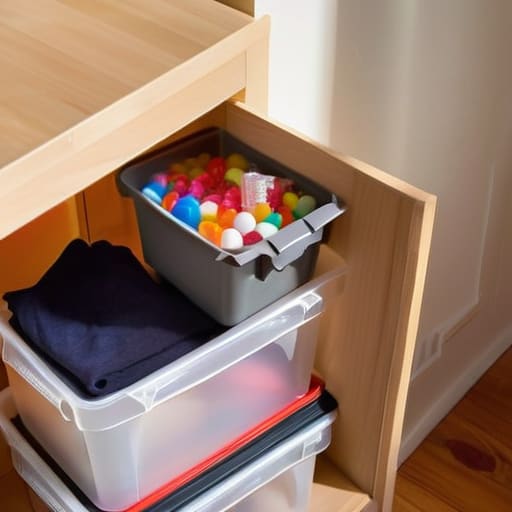
At the end of the day, storing your seasonal gear shouldn’t feel like a second job. We’ve talked about finding bins that actually stack without a fight, utilizing those awkward corners of your apartment, and choosing systems that make sense for your specific layout. You don’t need a custom-built closet or a professional organizer to make this work; you just need a few sturdy containers and a plan that doesn’t require a PhD to execute. The goal isn’t to have a perfectly curated storage unit, but to make sure that when December rolls around, you aren’t spending three hours digging through a mountain of mismatched cardboard boxes just to find your lights.
I know how easy it is to look at a cluttered corner and just… walk away. It’s overwhelming, and honestly, most days I feel the same way. But remember, you aren’t trying to achieve some Pinterest-perfect lifestyle; you’re just trying to reclaim your space so you can actually breathe in it. Start small, use what you have, and give yourself some grace if it isn’t perfect on the first try. Once these systems are in place, you’ll realize that the real win isn’t the organized bin—it’s the mental clarity that comes with knowing exactly where everything is.
Frequently Asked Questions
Should I bother labeling everything, or is that just extra work I don't have time for?
Look, I get it. Labeling feels like one more chore on an already overflowing to-do list. But here’s the thing: if you don’t label, you’ll spend forty minutes digging through dusty bins next December just to find your string lights. That’s a waste of your time. Don’t go overboard with a fancy label maker if you don’t want to; even a piece of masking tape and a Sharpie works. Just make it functional.
How do I keep my holiday decorations from getting crushed or broken if I'm using small storage spaces?
Look, I’ve definitely learned the hard way that shoving a delicate glass ornament into a bin full of heavy ceramic reindeer is a recipe for heartbreak. If you’re tight on space, stop trying to stack everything vertically without a plan. Use small, rigid plastic containers for the fragile stuff—think Tupperware, but for your decor—and nestle them inside your larger bins. It adds a little bulk, but it’s way cheaper than replacing broken heirlooms.
Is it worth investing in expensive vacuum bags for my seasonal clothes, or can I just use regular bins?
Honestly? Don’t go overboard. If you’re storing heavy sweaters or bulky winter coats, vacuum bags are a total lifesaver for reclaiming shelf space. But if you’re just tossing some summer sundresses or light linens into a bin, regular containers are plenty. I usually save the vacuum bags for the big, puffy stuff and stick to sturdy, breathable bins for everything else. It’s all about finding that middle ground between saving space and actually being able to breathe.