I was sitting on my floor last Tuesday, surrounded by half-stripped vintage chair legs and a mountain of tangled charging cables, staring at a to-do list that felt more like a threat than a plan. I realized then that I was doing that thing again—the thing where you wait for some magical, lightning-bolt surge of inspiration to strike before you actually start working. We’ve been sold this lie that how to stay motivated is about finding a “spark” or buying a $40 planner that makes your life look like a Pinterest board. But let’s be real: inspiration is flaky, and most days, it just doesn’t show up for work.
I’m not here to sell you on a “miracle morning” or some high-octane lifestyle overhaul that requires you to wake up at 4:00 AM. Instead, I want to talk about building functional systems that work even when you’re tired, grumpy, or overwhelmed by a messy apartment. We are going to look at small, pragmatic ways to keep moving forward using low-friction habits that actually fit into a real, chaotic schedule. No fluff, no aesthetic perfection—just honest ways to get things done when the motivation inevitably runs dry.
Table of Contents
Mastering the Psychology of Motivation Beyond the Hype

We’ve all been there: you watch a three-minute “aesthetic” productivity video, feel a sudden surge of adrenaline, and then—four hours later—you’re staring at a pile of laundry feeling like a total failure. The problem is that we often mistake that temporary spike in energy for actual drive. To get real, we have to look at the psychology of motivation without the glossy filter. Most of the time, we’re chasing extrinsic motivation—the shiny rewards, the social media validation, or the fear of looking lazy. But those are fickle. They vanish the second you’re tired or stressed.
If you want to build something that lasts, you have to shift your focus toward intrinsic vs extrinsic motivation. It’s the difference between cleaning your kitchen because you want a peaceful space to drink your morning coffee, versus doing it because you feel guilty about how messy it looks. When the “why” is rooted in your own comfort and values rather than an external pressure, you stop fighting yourself. It’s not about having superhuman willpower; it’s about building a relationship with your tasks that doesn’t require a constant pep talk just to get started.
Real Goal Setting Strategies That Wont Break Your Schedule

We’ve all been there: you sit down with a fresh notebook, write out a massive, ambitious list of life changes, and feel that temporary rush of adrenaline. But by Tuesday, that list feels less like a roadmap and more like a pile of chores you’re failing at. The problem isn’t your willpower; it’s that your goal setting strategies are likely designed for a version of you that has zero distractions and infinite energy. To make things stick, we need to stop planning for our “best selves” and start planning for our real selves—the ones who are tired, busy, and occasionally just want to stare at a wall.
Instead of chasing those massive, sweeping milestones, try breaking things down into “micro-wins.” If you want to organize your entire home, don’t aim for the whole house in a weekend; just commit to one single junk drawer. This shift helps move you away from relying on fleeting bursts of energy and focuses more on maintaining long-term discipline through small, repeatable actions. When the task is tiny, the barrier to entry disappears, making it much harder for your brain to find an excuse to stall.
Five Low-Maintenance Ways to Keep the Momentum Going
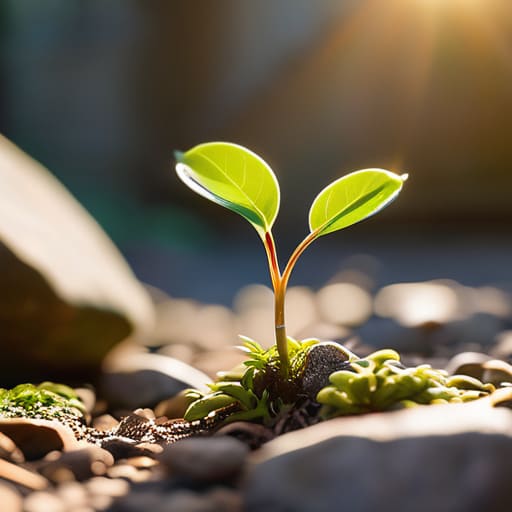
- Stop waiting for the “spark.” Motivation is a fickle friend that rarely shows up when you actually need it; instead, rely on tiny, non-negotiable micro-habits. If you can’t face a whole project, just commit to five minutes of opening the files or clearing your desk. Once the friction of starting is gone, the rest usually follows.
- Curate your environment, not just your aesthetic. If your phone is a black hole of distractions, don’t just “try harder” to ignore it—put it in another room or use a focus app. Build a physical workspace that nudges you toward work rather than fighting against your natural impulses.
- Audit your energy, not just your time. We’ve all been guilty of trying to tackle deep, complex tasks at 4:00 PM when our brains are basically mush. Learn your natural rhythms. Do the heavy lifting when you’re sharp and save the mindless admin or laundry for those mid-afternoon slumps.
- Build a “Done” list alongside your To-Do list. To-do lists can feel like a mountain of failure if they never end. At the end of the day, write down what you actually accomplished—even if it was just “replied to three crucial emails.” It proves to your brain that you’re actually moving, which is the best fuel for tomorrow.
- Embrace the “good enough” principle. Perfectionism is just procrastination in a fancy suit. If you’re stuck because you’re afraid of doing a mediocre job, give yourself permission to do a messy, imperfect version first. You can always refine a draft, but you can’t refine a blank page.
## The Myth of the Spark
Stop waiting for a lightning bolt of inspiration to strike before you start. Motivation isn’t a magical feeling that arrives to save you; it’s just the momentum you build by showing up and doing the messy, unglamorous work even when you’d rather be doing literally anything else.
Audrey Lin-McCallum
The Long Game Over the Quick Fix

At the end of the day, staying motivated isn’t about finding some magical spark that keeps you firing on all cylinders indefinitely. It’s about the systems we discussed—understanding that your brain needs more than just a motivational quote to function, and setting goals that actually respect the messy reality of your calendar. Whether you’re pivoting your mindset to focus on progress rather than perfection, or finally ditching those unrealistic to-do lists for something actually manageable, remember that consistency is a muscle. You don’t need to overhaul your entire existence overnight; you just need to build small, sturdy habits that can survive a bad day or a sudden deadline.
If you find yourself slipping back into old patterns of procrastination or burnout, please don’t beat yourself up. I’ve spent plenty of afternoons staring at a half-finished project feeling like a total failure, only to realize I just needed to reset my environment and try again tomorrow. Motivation isn’t a permanent state of being; it’s a fluctuating resource. Be kind to yourself, trust your systems, and just focus on the next smallest step in front of you. We aren’t aiming for a flawless life here—we’re just aiming for one that works for us.
Frequently Asked Questions
How do I keep going when my "small wins" feel too tiny to actually matter?
Look, I get it. When you’re staring at a mountain of laundry or a massive project, cleaning one single drawer feels like trying to empty the ocean with a teaspoon. But here’s the thing: those tiny wins aren’t just “feel-good” fluff; they are data points. They prove your system is actually functioning. Don’t wait for the grand breakthrough to feel successful. If you cleared your inbox or finally watered that one dying succulent, you won. That’s momentum.
What do I do when my motivation disappears because my actual schedule is just too chaotic to follow a plan?
When your schedule turns into a total dumpster fire, stop trying to force the original plan. It’s just going to make you feel like a failure. Instead, switch to “survival mode” productivity. Pick one—just one—non-negotiable task that takes ten minutes. If you can’t do the whole list, do the micro-version. We’re not aiming for a perfect streak here; we’re just trying to keep the momentum from hitting zero.
Is it possible to stay productive without falling into that trap of feeling like I have to be "on" 24/7?
Oh, absolutely. In fact, trying to be “on” 24/7 is the fastest way to hit a wall and stay there. I used to think productivity meant constant momentum, but that’s just a recipe for burnout. Real productivity is about rhythm, not a flat line. Think of it like urban gardening—you can’t force a plant to grow faster by staring at it; you need periods of rest and nourishment for the system to actually work.