I am so tired of seeing those hyper-stylized cooking videos where people act like you need a PhD in culinary science and a $50 copper pot just to boil some noodles. Honestly, if I see one more person claim that you need a specific, artisanal brand of imported semolina to achieve greatness, I might actually lose it. You don’t need a curated pantry or a kitchen that looks like a showroom to learn how to cook pasta perfectly; you just need to stop overthinking the process and start listening to the food.
My goal here isn’t to teach you some intimidating, professional technique that takes an hour of prep you don’t have time for. Instead, I’m going to give you the actual, unvarnished truth about what works when you’re tired, hungry, and staring at a half-empty cupboard after a long workday. We’re going to focus on a few simple, functional tweaks that ensure your pasta is always al dente and actually tastes good, without the unnecessary fluff. Let’s get into the no-nonsense basics that will make your weeknight dinners feel like a win.
Table of Contents
Salting Pasta Water Correctly Without Overcomplicating the Process
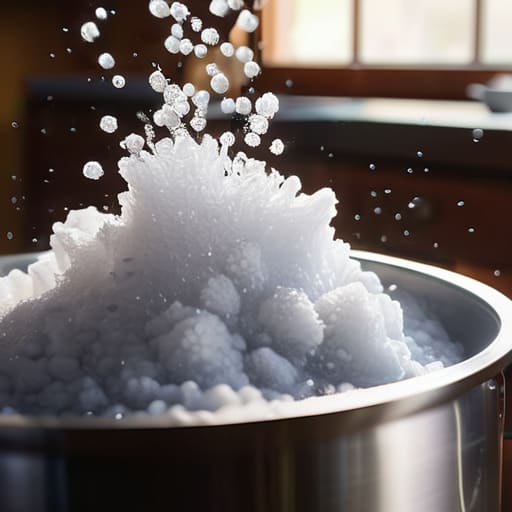
Look, I know the “sea water” rule sounds intimidating, but let’s be real: you aren’t actually out there in the middle of the Atlantic. You just need enough salt so that the water actually tastes like something. When you’re boiling water for pasta, the salt is your only chance to season the noodle from the inside out. If you skip this, your pasta will end up tasting bland and one-dimensional, no matter how good your sauce is.
I usually go for a heavy hand—about a tablespoon or two for a large pot—and I add it right as the water starts to simmer. Don’t worry about measuring to the milligram; just trust your gut. The real magic happens with the pasta starch importance here; the salt helps the surface of the noodle interact better with the water, which is a huge part of preventing sticky pasta later on. It’s a small, five-second step that makes a massive difference in the final result.
Mastering the Art of Boiling Water for Pasta Efficiently
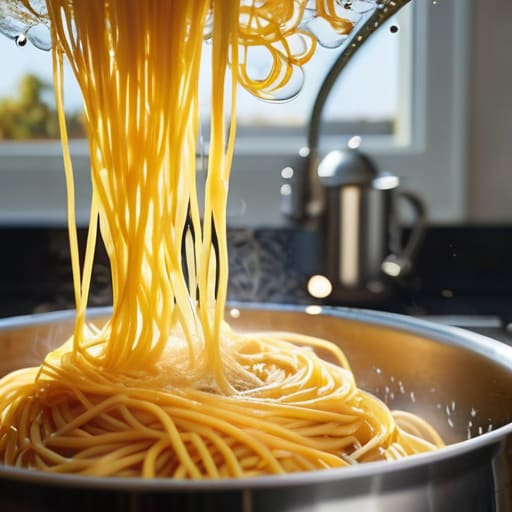
Look, we’ve all been there: standing in a kitchen, staring at a pot of lukewarm water, waiting for a miracle that feels like it’s never coming. My advice? Get a big pot. I know, it sounds obvious, but if you try to squeeze a pound of pasta into a small saucepan, you’re basically asking for trouble. You need enough room for the water to actually circulate, which is the secret to preventing sticky pasta from turning into a gummy mess.
Don’t bother with those fancy electric kettles if you’re in a rush; just get your biggest pot on the burner, crank the heat to high, and leave it alone until it’s at a rolling boil. While you’re waiting, take a second to think about the pasta starch importance here. That starchy water isn’t just a byproduct; it’s liquid gold. Once you drop the noodles in, keep them moving for the first minute or two. This simple habit ensures the pieces don’t clump together before the heat really gets to work, helping you reach that perfect, firm bite every single time.
Five ways to stop treating your pasta like an afterthought
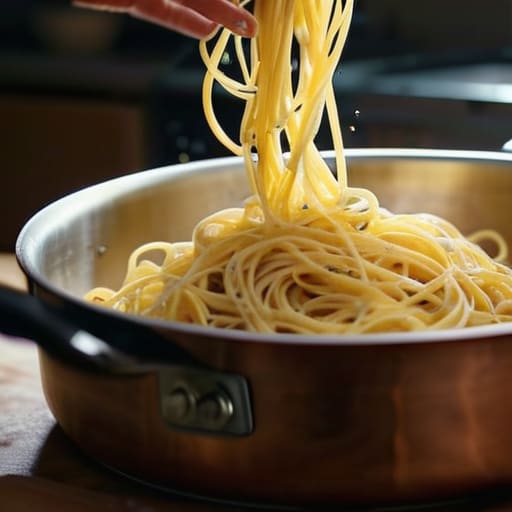
- Save a mug of that starchy water before you drain the pot. I know, it sounds like a chore, but that cloudy liquid is liquid gold. A splash of it tossed back into your sauce acts like a binder, helping everything cling to the noodles instead of sliding off into a puddle at the bottom of your bowl.
- Stop the “rinse habit” immediately. Unless you’re making a cold pasta salad, leave that starch alone. Rinsing your pasta under cold water strips away the very thing that makes the sauce stick. Just drain it, toss it with your sauce, and call it a day.
- Start tasting early. Every stove and every brand of pasta behaves a little differently, so don’t just rely on the timer on the box. About two minutes before you think it’s done, grab a fork and try a piece. You’re looking for that slight resistance in the center—what the pros call al dente—rather than something mushy.
- Don’t be afraid to use a bigger pot than you think you need. I used to try and squeeze everything into a small saucepan to save space, but it just leads to a gummy, crowded mess. Give the noodles room to dance around; it prevents them from sticking together in a giant clump.
- Sauce the pasta, don’t just pour sauce on top. Instead of plating a mountain of plain noodles and drowning them in jarred sauce, try tossing the cooked pasta directly into the pan with your sauce for the last minute of cooking. It lets the flavors actually penetrate the noodle rather than just sitting on the surface.
The Golden Rule of the Pot
“Forget the kitchen timers and the ‘perfect’ science for a second; just start tasting the pasta a few minutes before you think it’s done. If it’s got that slight bite in the middle, you’ve won. We’re aiming for a dinner that actually tastes good, not a culinary masterpiece that takes an hour of stress to achieve.”
Audrey Lin-McCallum
The Final Toss
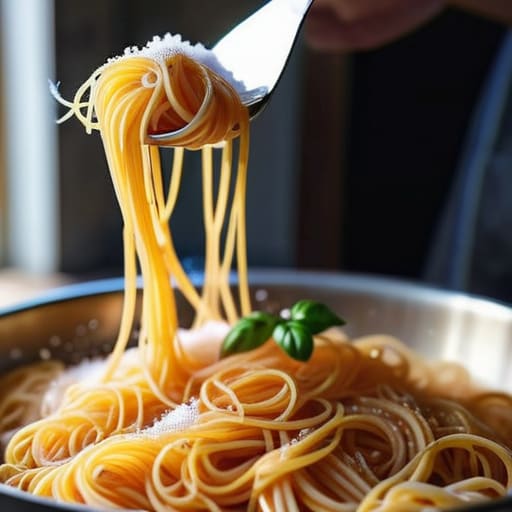
At the end of the day, cooking the perfect pasta isn’t about following some rigid, professional culinary manual; it’s just about making a few smart, logical adjustments to your routine. We’ve covered the essentials: getting that water boiling efficiently, making sure it’s salty enough to actually season the noodle, and keeping a close eye on the clock so you don’t end up with a mushy mess. If you remember nothing else, just remember to taste your pasta a minute before the box says it’s done. That little bit of intuition is what separates a mediocre meal from something that actually feels like a win. Once you nail the basics, you’ve built a reliable system that works every single time, regardless of how chaotic your Tuesday night might be.
I know that when you’re staring at a sink full of dishes or a mounting to-do list, the idea of “mastering” a simple starch can feel like just another chore on an endless mountain of adult responsibilities. But that’s not why we’re doing this. We’re doing this because taking ten minutes to do one small thing well—like boiling a pot of water—is a way to reclaim a little bit of control. You don’t need a gourmet kitchen or a chef’s degree to enjoy a meal that feels intentional. So, grab your favorite spoon, trust your instincts, and just enjoy the process. You’ve got this.
Frequently Asked Questions
How do I actually know when it's "al dente" without accidentally overcooking the whole batch?
The “bite test” is your best friend here. About two minutes before the box says it’s done, fish out a single piece with a fork. Don’t just chew it; look for a tiny, pale speck of uncooked starch in the center. That’s the sweet spot. It should offer a slight, firm resistance—not mushy, but not crunchy like raw dough. Remember, the pasta keeps cooking in the sauce, so pull it out a beat early.
Should I be saving some of that starchy pasta water for my sauce, or is that just an internet myth?
It is definitely not a myth; honestly, it’s the single best thing you can do for your sauce. That starchy liquid is basically culinary gold. When you swirl a splash of it into your sauce, it acts like a bridge, helping the sauce actually cling to the pasta instead of just sliding off to the bottom of the bowl. Just grab a mug before you drain the pot—it’s a tiny habit with a huge payoff.
Do I really need to rinse the pasta under cold water after draining, or does that just ruin the texture?
Short answer: No, please don’t. Unless you’re making a cold pasta salad, rinsing is basically the quickest way to strip away that beautiful, starchy coating that helps your sauce actually cling to the noodles. You’ll end up with limp, bland pasta that just sits at the bottom of the bowl. Just drain it, toss it straight into your sauce, and let that starchy goodness do the heavy lifting for you.