I am so tired of seeing those “dream office” setups on social media—you know the ones, with the pristine white desks, the $300 designer lamps, and not a single stray charging cable in sight. It’s all well and good if you live in a minimalist showroom, but for those of us juggling real lives, those setups are a total lie. If you’re actually trying to figure out how to build a productive workspace that survives a morning coffee spill or a sudden deadline, you don’t need a professional interior designer; you just need a setup that actually works for your brain.
I’m not here to sell you on a lifestyle aesthetic or a shopping list of expensive gadgets you’ll never use. Instead, I want to share the gritty, functional systems I’ve developed from years of working out of cramped apartments and tiny corners. We’re going to focus on small, incremental shifts—the kind of practical tweaks to your lighting, layout, and clutter that make a massive difference in your focus. My goal is to help you build a space that supports your workflow, rather than one you spend all your time cleaning.
Table of Contents
Real Ergonomic Office Setup Tips for Busy People

Let’s get real: most of us aren’t sitting in a $1,200 designer chair, and that’s okay. When I first started freelancing from my tiny apartment, my back felt like it was made of glass because I was hunched over a kitchen stool. If you can’t afford a full overhaul, start with the basics of ergonomic office setup tips that don’t cost a dime. Use a stack of old textbooks to raise your laptop so your eyes are level with the top third of the screen. It sounds janky, but it stops that inevitable “tech neck” slouch that ruins your focus by 2:00 PM.
Next, let’s talk about your environment. You don’t need a professional studio, but positioning yourself near a window can be a total game-changer. Natural light is much kinder to your eyes than a flickering overhead bulb, and it helps regulate your mood when you’re deep in a project. If you’re stuck in a dark corner, just grab a simple desk lamp with a warm bulb to avoid that harsh, sterile office vibe. It’s all about making the space feel like a place you actually want to inhabit.
Home Office Layout Ideas That Actually Fit Your Life
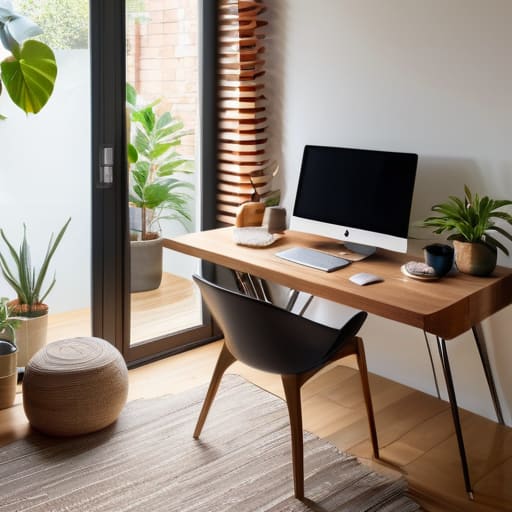
Let’s be real: most of us aren’t working from a dedicated, sun-drenched library. More often than not, we’re trying to squeeze a professional life into a corner of the bedroom or a tiny nook in the living room. When you’re working with limited square footage, the goal isn’t to find the “perfect” room; it’s about finding smart home office layout ideas that create a mental boundary between “work mode” and “relax mode.” If you can, try to position your desk so your back isn’t to the door—it sounds a bit superstitious, but facing the entrance actually helps reduce that subconscious feeling of being “on edge.”
If you’re stuck in a high-traffic area, focus on minimizing desk distractions by using physical or visual cues. A small folding screen or even a strategically placed tall plant can act as a makeshift wall, signaling to your brain (and your roommates) that you’re officially “at the office.” Also, don’t underestimate the power of light. If you can’t get a desk near a window, invest in a decent lamp to ensure you have optimal lighting for productivity; staring at a glowing monitor in a dark room is a one-way ticket to a headache and a massive energy crash by 3:00 PM.
Small Wins: 5 Low-Stress Ways to Optimize Your Setup

- Stop the “junk drawer” creep. We all have that one corner of the desk where receipts, loose pens, and old charging cables go to die. Pick one small bin or even just a dedicated tray to corral the chaos. If it doesn’t have a home, it’s just clutter stealing your focus.
- Curate your digital desktop, not just your physical one. If your computer screen looks like a digital landfill, your brain is going to feel that friction every time you log on. Close those 47 open tabs, file the random screenshots, and give yourself a clean visual slate.
- Master the “One-Minute Reset.” At the end of your workday, spend exactly sixty seconds clearing your surface. Put the mug in the dishwasher and stack your notebooks. It’s not about being a neat freak; it’s about making sure tomorrow-you doesn’t walk into a disaster zone.
- Lighting is your secret weapon, but skip the harsh overheads. If you can, snag a cheap task lamp with a warm bulb. It creates a “zone” for your work and saves you from that mid-afternoon eye strain that makes you want to nap instead of finish that spreadsheet.
- Keep the essentials within arm’s reach, but nothing more. If you’re constantly standing up to grab a stapler or a charger, you’re breaking your flow. Keep your “active” tools in the strike zone, and everything else—the stuff you use once a week—should be tucked away in a drawer.
The Golden Rule of Setup
“Your workspace shouldn’t be a museum piece you’re afraid to touch; it should be a tool that works as hard as you do, even on the days when everything feels a little bit chaotic.”
Audrey Lin-McCallum
Building for the Long Haul
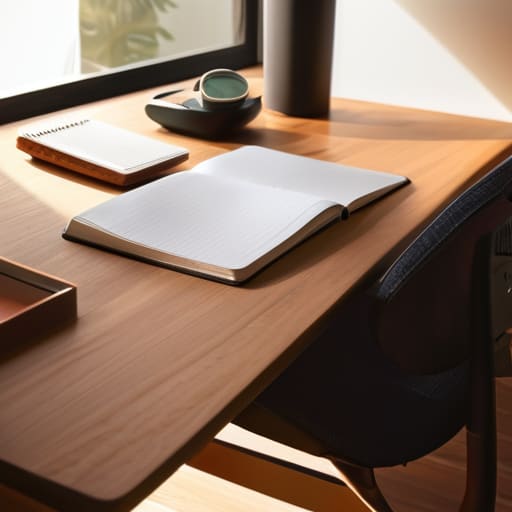
At the end of the day, building a productive workspace isn’t about buying every gadget on a “must-have” list or recreating a high-end studio in your living room. It’s about the small, intentional shifts we’ve talked about: adjusting your monitor so your neck doesn’t ache by 3 PM, finding a layout that doesn’t make you feel like you’re working in a closet, and prioritizing function over flair. If your chair is supportive and your tools are within reach, you’ve already won half the battle. Remember, a workspace should serve you, not become another high-maintenance project on your to-do list that requires constant upkeep.
I know how tempting it is to wait until you have the “perfect” setup before you start getting serious, but that’s a trap. Real life is messy, schedules shift, and sometimes your desk is going to be covered in coffee mugs and loose notes. That’s okay. The goal isn’t to create a museum-quality display; it’s to build a resilient system that can handle your actual, uncurated life. Start with what you have, tweak it as you go, and give yourself permission to let it be imperfect. You’re not just setting up a desk; you’re setting yourself up for a much smoother day.
Frequently Asked Questions
I live in a studio apartment with zero closet space—how do I hide my desk setup when I'm done working so I don't feel like I'm constantly at the office?
The “office-in-a-bedroom” struggle is real, especially in a studio. Since you can’t hide the desk behind a door, try a folding room divider or even a tall, open bookshelf to create a visual boundary. If that’s too bulky, I’m a big fan of the “out of sight, out of mind” method: grab a pretty linen cloth and just drape it over your monitor and keyboard at 5:00 PM. It signals your brain that the workday is officially over.
My budget is basically non-existent right now; what are some cheap or DIY ways to make my setup feel more professional without buying a whole new desk?
I totally get it—the “new desk fund” is usually at the bottom of my priority list, too. Honestly, you don’t need a mahogany executive suite to look professional. Start by clearing the visual clutter; a tidy surface instantly feels more “pro.” Use old shoe boxes wrapped in scrap fabric as drawer organizers, or stack some sturdy books to create a DIY monitor riser. It’s about intentionality, not the price tag.
I struggle with staying focused even when my desk is organized—is it a physical setup issue, or should I be looking at digital decluttering instead?
Honestly? It’s probably both, but don’t let that overwhelm you. If your physical desk is clear but your desktop is a graveyard of random screenshots and open tabs, your brain is still fighting through the noise. Think of digital clutter as “visual static.” Try a quick digital reset—close the tabs you aren’t using right now—and see if that helps. If you’re still drifting, we might need to look at your workflow, not just your furniture.