I used to spend my Tuesday nights staring blankly at a stack of glossy, over-produced cookbooks, feeling like a total failure because I didn’t own a specific type of artisanal sea salt or a copper whisk. The culinary world loves to pretend that cooking is this rigid, high-stakes science where one wrong gram of cumin ruins your entire life, but honestly? That’s just exhausting. I realized that the real secret to actually eating well on a busy schedule isn’t about memorizing complex instructions; it’s about learning how to cook without a recipe by understanding how flavors actually play together.
I’m not here to give you a curated list of “aesthetic” meals that require a trip to three different specialty grocers. Instead, I want to show you how to build a functional kitchen system that relies on your pantry staples and your own intuition. We’re going to talk about flavor profiles, textures, and the small, manageable pivots you can make when you’re halfway through a meal and realize you’re out of onions. My goal is to help you stop hovering over a screen and start trusting your gut so you can actually enjoy your dinner.
Table of Contents
Mastering the Art of Seasoning by Taste
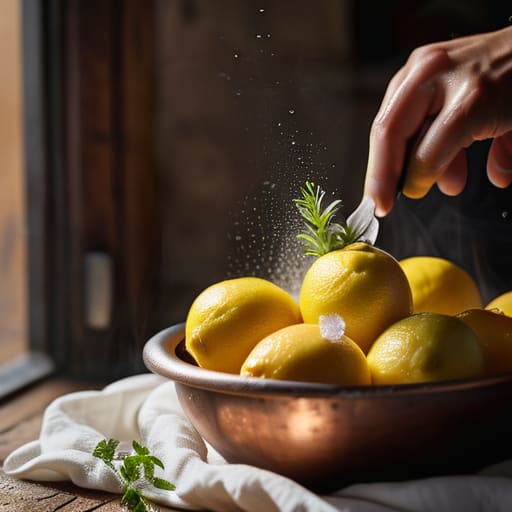
Here is the secret I wish someone had told me when I was first trying to move away from my heavy cookbooks: your tongue is a much better tool than a measuring spoon. Instead of staring at a screen to see if you need another pinch of salt, just take a tiny sip or a small bite. This is where seasoning by taste becomes your superpower. You’re looking for that moment where the flavors stop fighting each other and start working together. If something tastes flat, it usually needs acid (like a squeeze of lemon) or salt to wake it up.
Don’t be afraid to experiment with different flavor balancing techniques as you go. If a sauce feels too heavy or rich, a splash of vinegar can cut through that weight instantly. If it’s too spicy, a bit of fat or sugar can mellow things out. It’s not about getting it “perfect” on the first try; it’s about making adjustments in real-time so you actually enjoy what you’re eating. Think of it like tuning an instrument—you’re just tweaking the dials until the sound is right.
Understanding Cooking Ratios for Real World Meals
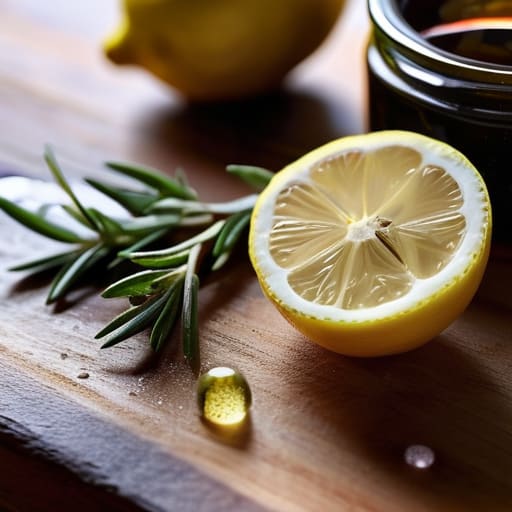
If you aren’t ready to dive straight into the deep end of seasoning by taste, there is a middle ground that feels a lot more secure: understanding cooking ratios. Think of ratios as the “cheat codes” of the kitchen. You don’t need to memorize a thousand individual recipes when you realize that most things follow a predictable pattern. For example, a basic vinaigrette is almost always three parts oil to one part acid. Once you internalize that simple math, you stop looking for a specific “Lemon-Dijon Dressing” recipe and start just making it happen with whatever citrus or vinegar is currently sitting in your fridge.
This approach is the backbone of effective pantry staple cooking. Whether you’re throwing together a grain bowl or a quick stir-fry, knowing the ratio of liquid to starch—or fat to acid—prevents that dreaded moment of realizing your sauce is either a watery mess or a literal brick. It’s about building functional kitchen improvisation skills so you can look at a random assortment of ingredients and see a meal instead of a problem. It’s not about being a chef; it’s about having a system that actually works when you’re tired.
Five ways to stop reading and start cooking
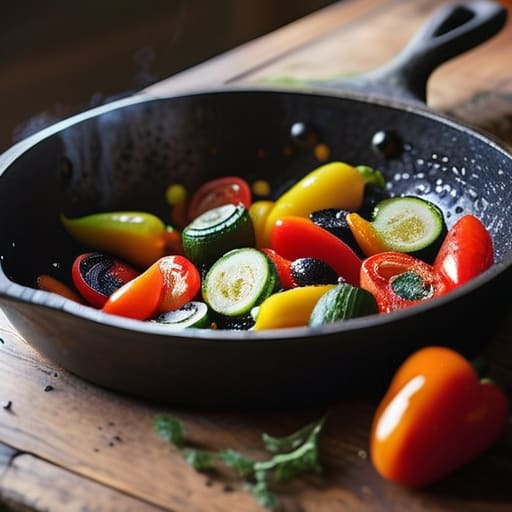
- Build a “Flavor Profile” mental map. Instead of looking for a recipe, think about what vibe you want: Mediterranean (lemon, garlic, oregano), Mexican (lime, cumin, cilantro), or maybe something cozy and earthy (thyme, rosemary, butter). Once you pick a direction, the ingredients usually sort themselves out.
- Get comfortable with the “Salt, Fat, Acid, Heat” framework. If a dish tastes flat, it probably needs acid (a squeeze of lime or a splash of vinegar) or salt. If it feels thin or disconnected, it likely needs fat (a drizzle of olive oil or a knob of butter). It’s basically the cheat code for fixing a meal mid-way through.
- Treat your pantry like a toolkit, not a museum. You don’t need a specialized spice rack with thirty different jars; you just need the reliable heavy hitters. If you have garlic, onion, a decent oil, and two or three versatile spices, you can make about eighty percent of the meals you actually care about.
- Learn to “component cook” instead of following a sequence. Instead of worrying about whether the onions go in before the peppers, just think about what needs more time to soften and what needs to stay crisp. It’s way more relaxing to cook a collection of ingredients than to chase a timer on a screen.
- Embrace the “tasting spoon” habit. This is non-negotiable. Taste your food at the beginning, middle, and end. You can’t know if a sauce is too salty or too bland by looking at it; you have to actually experience it. It’s the only way to build the intuition that makes recipes feel optional.
## The Philosophy of the Pantry
“A recipe is just a suggestion, not a set of handcuffs. If you stop treating your kitchen like a chemistry lab and start treating it like a toolkit, you’ll realize you already have everything you need to make something delicious.”
Audrey Lin-McCallum
Trust Your Gut (And Your Pantry)
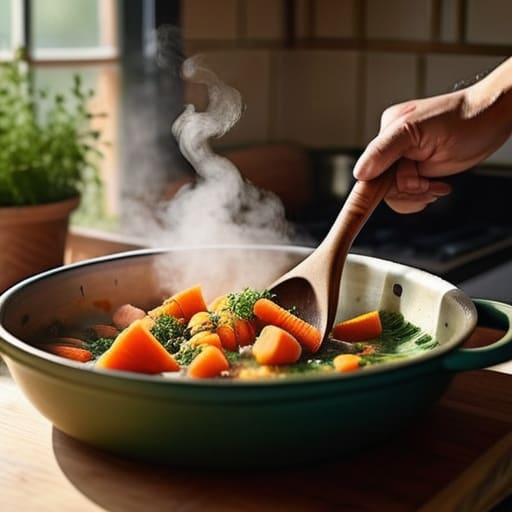
At the end of the day, cooking without a recipe isn’t about being a professional chef or mastering complex French techniques; it’s about breaking the dependency on a piece of paper. We’ve covered how to lean into your senses to balance seasoning, how to use simple ratios to keep your textures right, and why your pantry is actually your best friend when things get chaotic. Once you stop treating every meal like a high-stakes chemistry exam and start seeing it as a series of small, manageable adjustments, the kitchen stops being a source of stress and starts being a space where you can actually unwind after a long day.
I know it feels intimidating to toss the instructions aside, especially when you’re tired and just want to eat, but I promise you can do this. Start small—maybe just by swapping one ingredient in a dish you know by heart—and let yourself make a few mistakes along the way. Those “failures” are usually just lessons in disguise that help you build a more functional relationship with food. You don’t need a perfect, Pinterest-worthy meal every single night; you just need something that nourishes you and fits into your actual, messy, beautiful life. You’ve got this.
Frequently Asked Questions
What do I do if I accidentally over-season something and it becomes completely inedible?
First, take a deep breath—we’ve all been there. If you’ve gone overboard on salt or spice, don’t toss it. If it’s too salty, try adding an acid like lemon juice or a splash of vinegar to balance it out, or bulk it up with unsalted starch like rice or potatoes to soak up the excess. If it’s just too spicy, a dollop of Greek yogurt or heavy cream can act as a literal fire extinguisher for your tastebuds.
How can I tell if a certain ingredient is going to clash with what I've already started cooking?
Look, the “fear of the clash” is real, especially when you’re mid-sauté and feeling ambitious. My rule of thumb? Test the waters in a separate little bowl. Take a spoonful of your base, add a tiny bit of that new ingredient, and taste it. It’s much easier to fix a tiny cup of sauce than a giant pot of ruined dinner. If it tastes weird, you just saved yourself a very expensive mistake.
Are there any specific "base" ingredients I should always keep in my pantry to make this easier?
Think of your pantry as a toolkit, not a museum. You don’t need a hundred specialty spices; you just need the heavy hitters. Keep a solid foundation of aromatics (onions, garlic) and “flavor anchors” like soy sauce, olive oil, canned tomatoes, and a few versatile grains or pastas. If you have an acid—like vinegar or a lemon—and a decent salt, you can turn almost anything into a meal without breaking a sweat.