I used to think that if I didn’t own a $50 specialized moisture meter or a humidity tray made of hand-blown glass, I was somehow failing at the whole “plant parent” thing. I spent way too many months scrolling through curated Instagram feeds, feeling guilty because my living room didn’t look like a lush, tropical sanctuary. But here’s the truth: most of that high-maintenance advice is just noise designed to sell you more gear you don’t actually need. Learning how to care for houseplants shouldn’t feel like a second full-time job or a specialized science degree; it should be about finding a rhythm that works for your actual, messy life.
In this guide, I’m stripping away the aesthetic fluff and the expensive gadgets. I want to share the practical, slightly unpolished systems I’ve developed over years of trial, error, and the occasional accidental plant death. We’re going to focus on realistic, manageable habits—the kind that stick even when your work week goes sideways. No perfectionism allowed, just honest advice on how to keep your greenery thriving without letting it take over your mental bandwidth.
Table of Contents
Cracking the Code of Indoor Plant Light Requirements
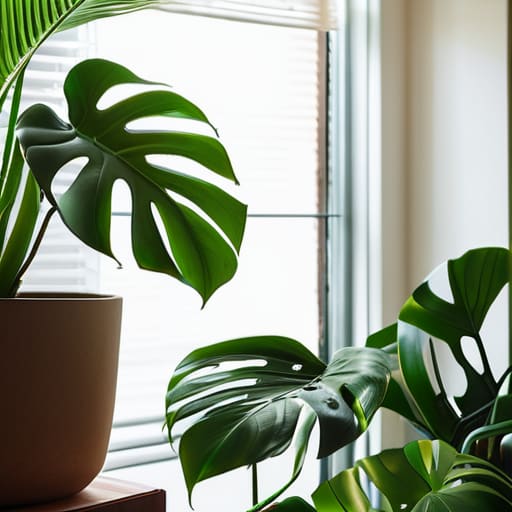
Look, I used to think “bright, indirect light” was just some poetic nonsense designers threw around to make plants sound fancy. In reality, it’s the difference between a thriving Monstera and one that’s slowly turning into a sad, yellowing ghost. Most of us aren’t living in sun-drenched villas; we’re dealing with north-facing apartments or corners that feel like they’re stuck in a permanent twilight. The trick isn’t to move your furniture every time a cloud rolls in, but to actually understand your indoor plant light requirements based on where your windows actually face.
If you’ve got a south-facing window, you’re basically sitting in a spotlight—perfect for cacti, but maybe a bit much for your delicate ferns. If you’re stuck in a darker corner, don’t panic; just lean into it by picking “low-light” varieties that don’t need a spotlight to survive. I’ve learned the hard way that forcing a sun-lover to live in a basement is just a recipe for heartbreak and a lot of wasted money. Once you map out your light, everything else—from your watering rhythm to finding the best soil for indoor plants—becomes way easier to manage.
The Best Soil for Indoor Plants That Actually Works
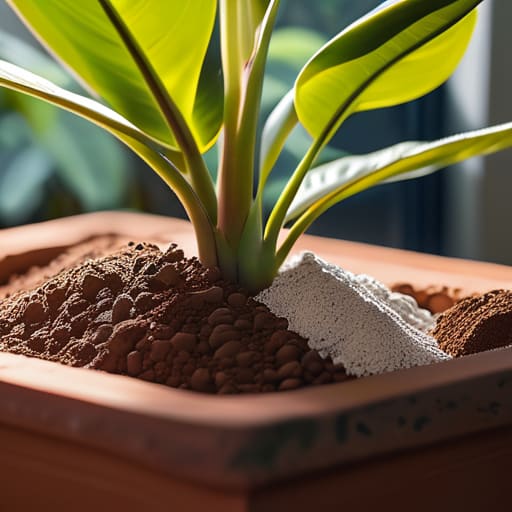
Look, I’ve spent way too much time in my life trying to make things work with whatever was lying around, but when it comes to your greenery, please don’t just grab a bag of cheap dirt from the big-box store and call it a day. Most generic potting mixes are essentially just heavy peat moss that turns into a dense, suffocating brick once it gets wet. If you want to avoid the dreaded root rot, you need to find the best soil for indoor plants that actually breathes. I’m talking about a mix that incorporates perlite or pumice—those little white volcanic rocks—to create air pockets. Your plants need to breathe through their roots just as much as they do through their leaves.
I usually like to DIY my own blend because it’s more predictable. A solid baseline is a mix of high-quality potting soil, some orchid bark for texture, and plenty of perlite. This setup is a total game-changer if you’re managing humidity for tropical houseplants, as it prevents the soil from staying soggy for too long. It’s not about being a scientist; it’s just about creating a foundation where your plants can actually thrive instead of just surviving.
5 Low-Stress Habits to Keep Your Greenery Alive
- Stop the “schedule” trap. Instead of deciding that every Tuesday is watering day, get into the habit of actually checking the soil with your finger first. If it’s still damp, walk away. Overwatering is the fastest way to kill a plant, and a rigid schedule usually leads to accidental drowning.
- Get a little messy with your drainage. If you’ve fallen in love with a beautiful vintage ceramic pot that doesn’t have a hole in the bottom, don’t panic. Just keep your plant in its plastic nursery liner and set it inside the pretty pot. It makes repotting way easier and saves your floors from muddy disasters.
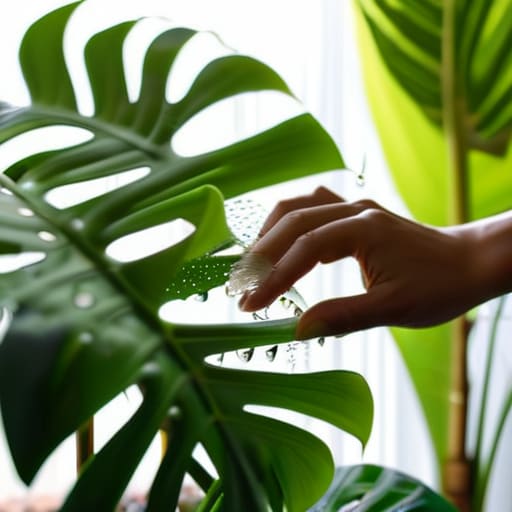
- Don’t ignore the dust. I know, it sounds like a chore, but a layer of dust on leaves is basically like putting a blindfold on your plant—it can’t “breathe” or soak up light properly. Just grab a damp cloth and give them a quick wipe once a month while you’re doing your usual dusting.
- Listen to what the leaves are telling you. Plants are surprisingly communicative if you pay attention. Yellow leaves usually mean too much water, drooping often means they’re thirsty, and crispy brown edges are a classic sign they need more humidity. It’s not a mystery; it’s just feedback.
- Embrace the “trial and error” phase. You are going to kill a plant. Even the most seasoned urban gardeners have a graveyard. Don’t let a dead pothos make you feel like you’re bad at this; just treat it as data for what to try differently next time.
Forget the Aesthetic, Focus on the Function
“Stop trying to curate a Pinterest-perfect jungle and start looking at what your plants actually need to survive your Tuesday morning rush; a single thriving pothos is worth way more than a dozen expensive succulents that are just waiting for you to forget they exist.”
Audrey Lin-McCallum
Letting Go of the Perfectionist Plant Parent
At the end of the day, keeping plants alive isn’t about following a rigid, scientific manual to the letter; it’s about understanding the basics of light and soil and then observing how your specific environment reacts. We’ve talked about finding the right brightness for your windows and choosing a soil that doesn’t turn into a swampy mess, but remember that every apartment has its own microclimate. You don’t need to be a botanist to succeed; you just need to build a rhythm that works for your schedule. If you forget a watering session or a leaf turns yellow, don’t panic. It’s not a failure; it’s just data telling you to adjust your system slightly.
I used to think that if my plants weren’t thriving in a lush, jungle-like state, I was doing something wrong. But through my own trial and error, I’ve learned that a single, healthy pothos is a much bigger win than a dozen dying ferns that make you feel guilty every time you walk past them. Focus on small, sustainable wins rather than a curated indoor forest. Your space should be a place where you can breathe and relax, not another item on your high-pressure to-do list. Just keep experimenting, keep learning, and most importantly, be kind to yourself as you grow alongside them.
Frequently Asked Questions
I’ve definitely killed a few plants by overwatering—how do I actually know if the soil is dry enough to water without constantly poking at it?
Honestly, I used to do the same thing—poking the dirt until it felt like I was performing surgery. If you want to stop guessing, grab a wooden chopstick or even a bamboo skewer. Just push it deep into the soil, leave it for a minute, and pull it out. If it comes up dark and damp, walk away. If it’s bone dry and clean, it’s time to water. It’s way more reliable than a finger poke.
My apartment doesn't get a ton of natural light; are there specific "unkillable" plants that won't immediately give up on me?
Honestly, I’ve been there. Living in a low-light apartment used to make me feel like a plant serial killer. If your windows are lacking, skip the finicky fiddle-leaf figs and go for the “survivors.” Snake plants and ZZ plants are basically bulletproof—they actually prefer being left alone. Pothos are another great choice; they’ll trail beautifully even in dim corners. They aren’t about perfection; they’re just about finding greenery that works with your space.
Is it worth spending the extra money on fancy fertilizers, or can I just stick to the basics and call it a day?
Honestly? Save your money. Most of those high-end, boutique fertilizers are just fancy packaging for basic nutrients. Unless you’re trying to win a competitive orchid show, a reliable, all-purpose liquid fertilizer is plenty. I usually stick to a simple, balanced formula once a month during the growing season. It’s much easier to build a sustainable habit with something affordable than to stress over a premium bottle that’s half-empty by mid-summer.