I used to think that learning how to cook vegetables meant I needed a $200 chef’s knife, a collection of specialized steaming baskets, and enough free time to meticulously blanch every single floret. I’d stare at a pile of limp kale or some stubborn Brussels sprouts in my tiny kitchen, feeling completely defeated by the sheer amount of unnecessary friction standing between me and a decent meal. The internet loves to make it seem like if you aren’t using organic microgreens and a sous-vide machine, you’re doing it wrong, but honestly? That’s just a recipe for burnout and a very expensive trash can full of wilted produce.
I’m not here to teach you how to plate a Michelin-star salad; I want to show you how to make food that actually tastes good without hijacking your entire evening. We’re going to focus on low-effort, high-reward systems—the kind of practical methods that work when you’re tired, busy, or just don’t care about the aesthetic. I’ll share my realistic approach to how to cook vegetables so they stay flavorful and satisfying, even when your schedule is absolute chaos.
Table of Contents
Smart Vegetable Prep for Beginners Without the Burnout
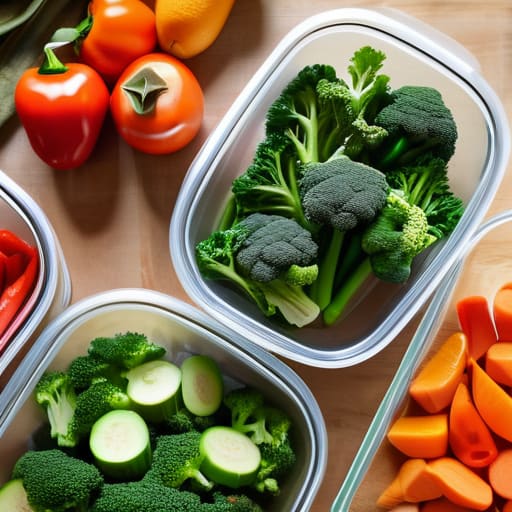
Look, if you’ve ever stared at a pile of raw broccoli and a sink full of dishes and just decided to order takeout instead, I get it. The mistake most people make is treating veggie prep like a gourmet cooking show production. You don’t need a knife set that costs more than your rent to get started. Instead, think about vegetable prep for beginners as a way to “future-proof” your week. I like to spend twenty minutes on a Sunday washing and chopping whatever is on sale, then tossing them into airtight containers. It’s not about being a chef; it’s about making sure that when you’re exhausted on a Tuesday night, the barrier to eating something decent is as low as possible.
When it actually comes to the heat, don’t get caught in the “all or nothing” trap. You don’t have to master complex techniques right away. If you want something fast and light, steaming vs roasting vegetables is usually your first big decision. Steaming is great for keeping things crisp and quick, while roasting is my go-to for when I want that deep, caramelized flavor that makes you forget you’re eating something “healthy.” Just pick a method, add some salt, and move on with your life.
Retaining Nutrients in Vegetables While Navigating Weekday Chaos
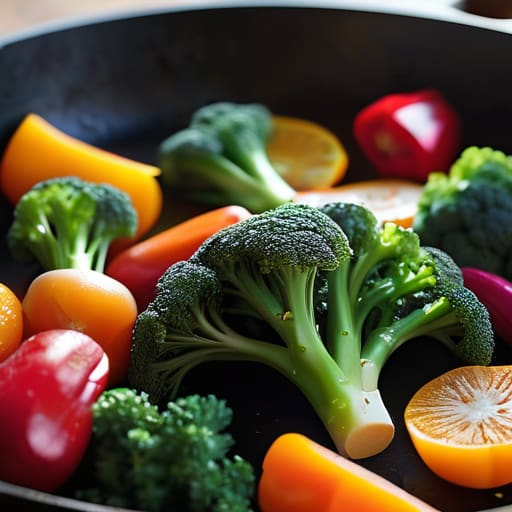
Look, I get it. When you’re staring down a pile of dishes after a ten-hour workday, the last thing you want to do is a deep dive into the science of micronutrients. But if you’re constantly boiling your greens into a grey, mushy mess, you’re essentially washing your nutrition down the drain. If you want to focus on retaining nutrients in vegetables without turning your kitchen into a laboratory, the simplest rule is to minimize water contact and heat duration.
When I’m in a rush, I usually lean toward steaming vs roasting vegetables depending on how much energy I have left. Steaming is my go-to for broccoli or leafy greens because it’s fast and preserves that vibrant color (and the vitamins). If I have a bit more time and a sheet pan, I’ll roast everything; the high heat caramelizes the natural sugars, making them taste way better than anything boiled. Either way, the goal isn’t perfection—it’s just making sure the food you’re eating actually works for your body.
My Low-Stress Toolkit for Actually Getting Veggies on Your Plate
- Stop trying to master every technique at once. Pick one “reliable” method—like roasting on a sheet pan or a quick sauté—and get comfortable with it before you even look at a steamer basket or a sous-vide machine.
- Invest in a decent knife, not a whole set. I learned the hard way that a dull blade makes chopping feel like a chore, and if it feels like a chore, you’re just going to order takeout instead.
- Use the “frozen is fine” rule. There is zero shame in using frozen peas or spinach; they’re often more nutrient-dense than the “fresh” stuff that’s been sitting in a grocery bin for a week, and they require zero prep work.
- Don’t be afraid of salt and fat. If your vegetables taste like sad, boiled cardboard, you won’t eat them. A little olive oil, a squeeze of lemon, or a decent sprinkle of sea salt makes the difference between “health food” and an actual meal.
- Prep in batches, not perfectionist sessions. If you have ten minutes while your coffee brews, chop an extra onion or bell pepper. Don’t aim for a Pinterest-worthy mise en place; just aim to make Tuesday night a little less frantic.
The Real Goal of Cooking
“Forget the Pinterest-perfect salads and the complicated steaming techniques you see online; if you can get a handful of greens into a pan with some garlic and whatever oil is in your pantry, you’ve already won the day. Cooking vegetables isn’t about a culinary masterpiece, it’s about building a system that keeps you fed when life gets loud.”
Audrey Lin-McCallum
Keeping It Real in the Kitchen
At the end of the day, cooking vegetables isn’t about mastering a five-star culinary technique or having a perfectly organized pantry full of organic heirloom varieties. It’s really just about building a few sustainable systems that prevent you from ordering takeout the second you feel tired. Whether you’re batch-prepping hardy greens on a Sunday to save time on Tuesday, or just learning how to toss a handful of frozen peas into a pan without overthinking it, the goal is consistency over perfection. Remember, even a slightly charred broccoli floret is a massive win compared to skipping the greens entirely because you felt too overwhelmed to start.
Please, give yourself some grace as you navigate this. Some weeks you’ll be a meal-prep wizard, and other weeks you’ll be eating raw carrots straight from the bag while standing over the sink—and that is perfectly okay. We aren’t trying to curate a flawless lifestyle; we’re just trying to fuel ourselves so we can actually show up for our lives. Focus on the small, incremental shifts that make your weekday chaos feel a little more manageable. You don’t need a gourmet kitchen to make functional, nourishing choices; you just need to start where you are.
Frequently Asked Questions
I’ve tried meal prepping veggies before, but they always turn into a soggy, sad mess by Wednesday—how do I keep them actually tasting good?
The “soggy mess” phenomenon usually happens because we’re treating veggies like a salad instead of a component. My rule of thumb? Don’t prep the finished dish; prep the building blocks. Instead of cooking everything on Sunday, just wash, chop, and dry your veggies thoroughly. Store them in airtight containers with a paper towel to absorb moisture. Then, when you actually have twenty minutes to eat, you’re just throwing raw, crisp pieces into a pan.
Is it really worth the extra effort to steam everything, or can I just throw them in a pan and call it a day?
Honestly? If you’re staring at a mountain of dishes at 7:00 PM, just throw them in a pan. Sautéing is a lifesaver, and the extra flavor from a little oil and garlic usually outweighs the minor nutrient loss from not steaming. Unless you’re prepping something super delicate like broccoli florets that need that gentle touch, don’t stress the steamer basket. Just cook them until they’re tender-crisp and call it a win.
What are some low-effort seasoning combos that don't require me to buy a whole new spice rack?
Look, I get it. You don’t need a 40-piece spice rack gathering dust in your cabinet. If you have salt, pepper, and garlic powder, you’re already halfway there. For a quick win, try olive oil, lemon juice, and dried oregano on almost any roasted veggie. Or, if you’re feeling a bit more savory, just hit your greens with a splash of soy sauce and a pinch of red pepper flakes. Simple, effective, and zero clutter.