I used to spend way too much money on those “specialized” stainless steel polishes that promised a showroom shine, only to realize they mostly just left a greasy film that attracted more fingerprints. Honestly, if you’re staring at your fridge feeling like you need a chemistry degree just to figure out how to clean stainless steel without leaving streaks, you’re not alone—and you definitely don’t need a cabinet full of expensive, single-use sprays. Most of those fancy products are just marketing fluff designed to make a simple task feel like a major production.
I’m not here to give you a curated, Pinterest-perfect routine that takes forty minutes of your Saturday. Instead, I’m going to show you how to tackle those smudges and grease spots using stuff you likely already have in your pantry. We’re going to focus on functional, fast methods that actually work, so you can get back to your life. My goal is to help you maintain a kitchen that looks decent and, more importantly, actually works for you without the unnecessary overwhelm.
Table of Contents
Effective Tactics for Removing Fingerprints From Steel Fast
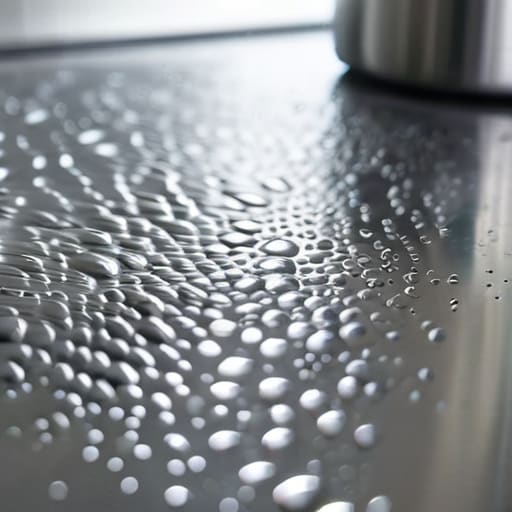
Look, we’ve all been there: you just finished a quick snack, wiped your hands on your jeans, and suddenly your fridge looks like a crime scene of oily smudges. If you’re in a rush, skip the heavy-duty sprays. The fastest way to handle removing fingerprints from steel is actually just a simple mixture of water and a splash of white vinegar. Put some in a spray bottle, spritz the offending spots, and wipe. It cuts through the skin oils without leaving that weird, sticky residue some commercial cleaners leave behind.
The real secret, though, isn’t just what you use, but how you move your hand. I can’t stress this enough: always wipe in the direction of the grain. If you scrub in circles, you’re just moving the oils around and potentially causing micro-abrasions. Grab the best microfiber cloth for stainless steel—something soft and lint-free—and follow those natural lines in the metal. It’s a tiny habit, but it makes the difference between a surface that looks “okay” and one that actually looks clean and intentional.
Cleaning Stainless Steel With Vinegar Without the Extra Effort
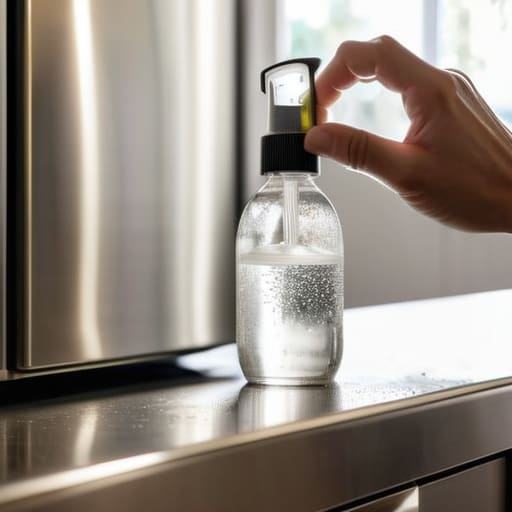
If you’re anything like me, you probably have a half-empty bottle of white vinegar sitting in your pantry right now. It’s one of those pantry staples that actually earns its keep. When I’m dealing with a stubborn film on my appliances, cleaning stainless steel with vinegar is my go-to move because it cuts through grease without requiring a chemistry degree. Just grab a spray bottle, spritz the surface, and let it sit for a minute. It’s not about achieving a sterile, laboratory look; it’s about cutting through the grime so your kitchen actually feels usable again.
The real secret, though, isn’t just the vinegar—it’s how you wipe it off. I always reach for my best microfiber cloth for stainless steel to do the heavy lifting. You want to wipe in the direction of the metal’s grain; if you go against it, you’re just inviting streaks to stay. This method is also a lifesaver for cleaning stainless steel sink basins that have seen better days. It’s quick, it’s cheap, and it keeps things moving without turning your Saturday morning into a deep-cleaning marathon.
Five Real-World Rules for Keeping Your Steel from Driving You Crazy
- Always follow the grain. It sounds like something a professional would say, but it’s actually just common sense—if you scrub against the lines in the metal, you’re basically just pushing the dirt deeper into the microscopic grooves.
- Ditch the abrasive sponges. I know it’s tempting to go in hard with a heavy-duty scrubby when there’s a burnt-on mess, but you’ll end up with permanent scratches that make the whole surface look trashed. Stick to microfiber or a soft cloth.
- Skip the bleach and harsh chemicals. Most of those heavy-duty cleaners are overkill and can actually pit or discolor the finish over time. If it’s not gentle enough to use on your skin, it’s probably too aggressive for your fridge.
- Use a tiny bit of oil to shine it up. If your appliances look dull after cleaning, take a drop of olive oil or even a dedicated stainless steel spray on a dry cloth and buff it in. It creates a barrier that helps repel future fingerprints.
- Don’t wait for a “cleaning day.” If you see a smudge while you’re making coffee, just wipe it off then. Trying to tackle a month’s worth of grime all at once is how a quick chore turns into a stressful weekend project.
The Real Goal of a Clean Kitchen
“Look, I’m not trying to turn my kitchen into a sterile showroom for a magazine; I just want my appliances to look decent enough that I don’t feel gross while I’m making my morning coffee.”
Audrey Lin-McCallum
Keeping It Real in the Kitchen
At the end of the day, you don’t need a cabinet full of expensive, specialized chemical sprays just to keep your appliances looking decent. Whether you’re tackling those stubborn fingerprints with a quick wipe-down or using a simple vinegar solution to cut through the grease, the goal isn’t to achieve a sterile, showroom-perfect look. It’s about finding a maintenance rhythm that actually works with your life. Remember, if you can master the quick fix for smudges and the occasional deep clean with stuff you already have in your pantry, you’ve already won half the battle against kitchen chaos.
I know how easy it is to feel overwhelmed by the endless “must-do” lists of adulthood, especially when it comes to maintaining a home. But please, don’t let a few streaks on the fridge ruin your evening. Your kitchen is meant to be a place where you cook, eat, and occasionally make a mess—it’s a living space, not a museum. Focus on making it functional and clean enough to feel good in, and let the rest go. You’re doing better than you think, one small task at a time.
Frequently Asked Questions
Is it actually safe to use bleach or harsh chemicals on my appliances, or am I going to ruin the finish?
Short answer: Please, for the love of your appliances, stay away from bleach. I’ve seen enough “quick fixes” go wrong to know that harsh chemicals can actually pit the surface or cause permanent discoloration. You aren’t just cleaning it; you’re potentially stripping the protective layer that keeps it looking decent. Stick to the mild stuff—dish soap, vinegar, or even a bit of olive oil. It’s much better to spend five extra minutes scrubbing than replacing a whole fridge.
I keep seeing people use olive oil to make things shine—is that a real hack or just a recipe for a greasy mess?
Honestly? It’s a bit of both. Using olive oil to buff out smudges can give you that “just polished” look, but if you aren’t careful, you’re just creating a magnet for every speck of dust in your kitchen. If you try it, use a tiny amount on a microfiber cloth and buff it until it feels smooth, not slippery. Personally, I’d rather stick to a quick wipe-down than deal with a greasy film later.
Does it actually matter which way I wipe, or am I just wasting time if I don't follow the grain?
It actually does matter, and no, you aren’t just wasting your time. Think of the “grain” like the texture of wood; those tiny microscopic lines are where dirt and grime love to hide. If you wipe against them, you’re basically just pushing the mess deeper into the grooves. Wiping with the grain keeps things smooth and prevents those annoying streaks. It’s a tiny bit more effort, but it makes the job much faster in the long run.