Can we please collectively agree to stop pretending that meal prepping requires a five-hour Sunday marathon, a dozen matching glass containers, and a pantry full of ingredients you’ll never actually use? I am so tired of seeing those hyper-curated “aesthetic” meal prep videos where everything looks like a tiny, colorful art installation. In the real world—the one where you have a deadline at 5:00 PM and a sink full of dishes—those overly ambitious make ahead meals are just a fast track to burnout and expensive food waste. You don’t need a culinary degree or a designer kitchen to eat well; you just need a plan that doesn’t feel like a second full-time job.
I’m not here to sell you on a lifestyle overhaul or a complicated set of rules. Instead, I want to share the functional systems I’ve actually used to keep myself fed when my freelance schedule goes off the rails. We’re going to focus on low-effort, high-reward strategies that prioritize actual nutrition and sanity over how pretty your Tupperware looks on Instagram. Let’s build a way of eating that works for your real life, not some idealized version of it.
Table of Contents
Weekly Meal Planning Strategies for Chaotic Schedules
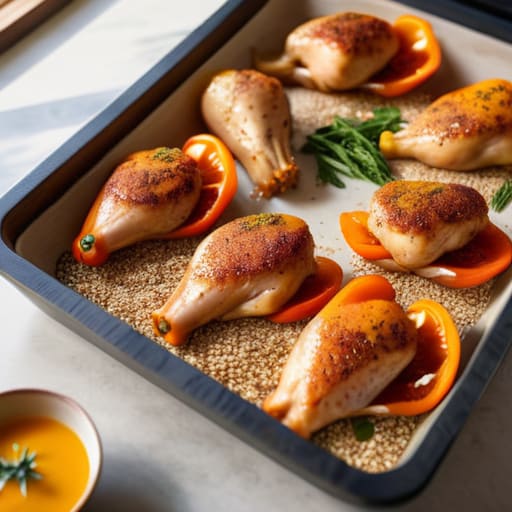
First off, let’s kill the idea that you need a four-hour window on Sunday to be successful. If your schedule is a moving target, your weekly meal planning strategies need to be just as flexible. I’ve learned the hard way that trying to cook five elaborate recipes at once is a recipe for burnout. Instead, I aim for “component prepping.” I’ll roast a massive tray of seasoned chicken, boil a pot of quinoa, and chop a mountain of bell peppers. It’s not a finished meal, but it’s the building blocks for three different lunches that actually taste good.
The real secret to surviving a chaotic week is investing in decent meal prep containers for freezing. There is nothing more soul-crushing than digging through a crowded freezer only to find a mystery Tupperware that’s turned into a solid block of ice. Get the stackable, airtight ones that actually fit in your freezer’s nooks and crannies. It turns your kitchen from a cluttered disaster zone into a functional system that works for you, even when you’re running on three hours of sleep and a lukewarm coffee.
Budget Friendly Batch Cooking Without the Stress
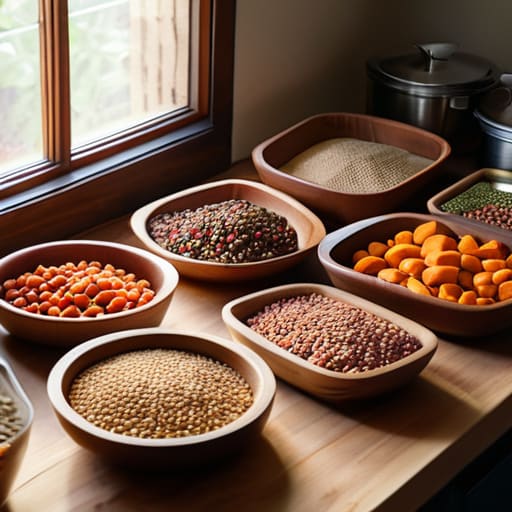
Let’s be real: the biggest barrier to batch cooking isn’t just the time; it’s the grocery bill. If you’re staring at a list of exotic superfoods and feeling your bank account recoil, stop. You don’t need organic dragon fruit to stay nourished. I’ve found that budget friendly batch cooking is actually much easier when you lean heavily into “pantry staples” like dried lentils, rice, and seasonal veggies that aren’t currently costing a kidney. Buy the big bag of oats, grab the family-pack of chicken thighs, and focus on building flavor through spices rather than expensive ingredients.
Once you’ve actually cooked the food, the real work begins: storage. This is where most people fail because they try to use flimsy Tupperware that turns into a cracked mess in the microwave. If you’re planning to prep ahead of time, invest in decent meal prep containers for freezing. It’s one of those rare areas where spending an extra twenty bucks actually saves you money in the long run by preventing food waste. My rule of thumb? If it can’t survive a trip to the freezer and back, don’t bother putting it in there.
Five Ways to Actually Eat Well Without Losing Your Mind
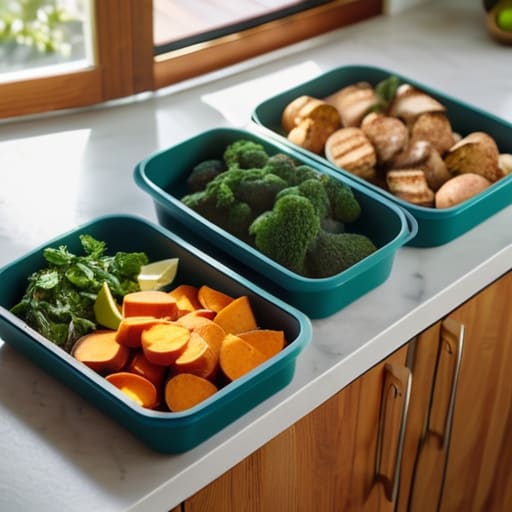
- Stop aiming for five-star plating; if you can throw a handful of roasted sweet potatoes and some pre-cooked chicken into a container and call it “fuel,” you’ve already won.
- Invest in a decent set of glass containers that actually seal, because nothing kills my motivation faster than a leaky Tupperware situation in my bag.
- Master the “component method” instead of full recipes—prep a big batch of grains, a tray of roasted veggies, and a protein so you can mix and match flavors depending on your mood.
- Embrace the freezer as your best friend; if you’re making a soup or a chili, double the recipe and freeze half immediately so you have a “emergency” meal for those days when everything goes sideways.
- Keep a “low-effort pantry” stocked with things like canned beans, jarred pesto, and quick-cooking couscous for the nights when even the best-laid meal plans fall apart.
The Real Goal of Meal Prep
Stop trying to prep like a Pinterest influencer with color-coded containers and perfectly sliced garnishes; the goal isn’t a photo shoot, it’s just making sure you don’t end up eating cereal for dinner at 9:00 PM on a Tuesday because you’re too exhausted to function.
Audrey Lin-McCallum
The Goal Isn't a Perfect Kitchen
At the end of the day, the whole point of these strategies—whether you’re sticking to a strict budget or just trying to find twenty minutes of peace on a Tuesday night—is to stop the decision fatigue from winning. You don’t need a pantry that looks like a high-end grocery store or a dozen identical glass containers to be “successful” at meal prepping. If you managed to cook one extra batch of grains or pre-chop a single onion to save yourself some grief later this week, you’ve already won. It’s about building a functional system that supports your actual life, not a secondary job that leaves you too exhausted to enjoy the food you actually made.
Please, give yourself some grace as you figure out what works for your specific brand of chaos. Some weeks you’ll be a batch-cooking machine, and other weeks you’ll be living off cereal and whatever is in the back of the freezer, and that is perfectly okay. We aren’t chasing a curated aesthetic here; we are just trying to make sure that when life gets loud, your kitchen doesn’t become another source of overwhelm. Focus on small, incremental wins, and remember that a meal that is “good enough” is always better than a gourmet dinner that never actually happens because you were too stressed to start.
Frequently Asked Questions
How do I keep everything from tasting like a soggy mess by Thursday?
The “soggy mess” phenomenon is real, and it’s usually because we’re treating leftovers like a salad instead of a construction project. My golden rule? Deconstruct everything. Don’t mix your sauce, grains, and greens in one tub. Keep the heavy stuff—like roasted sweet potatoes or chicken—in one container, and keep the “wet” components like dressings or salsas in tiny separate jars. Reheat the base, then top it fresh. It’s a two-minute extra step that saves your sanity.
Is it actually worth the time to prep everything on Sunday, or should I just do small batches throughout the week?
Honestly? If you try to spend all Sunday in a kitchen apron like a character in a cooking show, you’re probably going to burn out by Wednesday. I’m a big believer in the “hybrid” approach. Prep your “foundation” items on Sunday—think a big batch of grains or roasted veggies—but leave the actual assembly for quick, 15-minute bursts during the week. It keeps things fresh without turning your weekend into a second job.
What's the best way to store leftovers so they don't take up my entire fridge?
Ditch the bulky, mismatched plastic tubs. If you’re fighting for every inch of shelf space, invest in a set of uniform, stackable glass containers. They nest perfectly and actually let you see what’s inside so you don’t end up with “mystery leftovers” from three weeks ago. Also, if you have something that won’t be eaten in two days, freeze it in flat silicone bags. They stack like files in a drawer, saving you a massive amount of real estate.