I spent three years of my life living in a studio apartment where my “living room” was essentially just a narrow hallway between my bed and a radiator. I remember the exact moment I realized that following those high-end interior design blogs was actually making my life harder. You see these perfectly curated photos where every chair is positioned for a photoshoot, but nobody ever mentions the fact that you can’t actually reach your coffee mug without performing a gymnastics routine. We need to stop obsessing over Pinterest-perfect aesthetics and start looking for living room layout ideas that don’t require us to live in a museum.
I’m not here to tell you to buy a $3,000 modular sectional or tear down a load-bearing wall. My goal is to help you stop fighting your furniture and start making your space work for your actual, messy, daily routine. I’m going to share some practical, battle-tested strategies for arranging your home based on how you actually move through it—whether that’s making room for a dog, creating a corner for your laptop, or just ensuring you don’t trip over the rug in the dark. Let’s build a room that’s functional first, and pretty second.
Table of Contents
- Solving Small Living Room Space Saving Without the Clutter
- Mastering Traffic Flow in Living Rooms for Busy Households
- Five Ways to Stop Fighting Your Furniture and Start Living
- The Golden Rule of Furniture
- Stop Designing for Photos: Living Room Layouts That Actually Survive Real Life
- Frequently Asked Questions
Solving Small Living Room Space Saving Without the Clutter
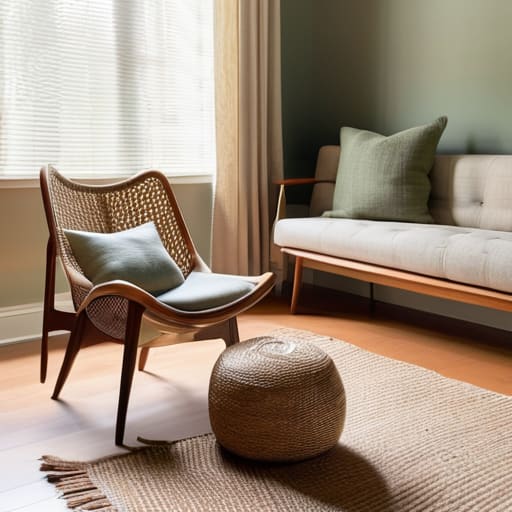
Look, I get it. You want that airy, Pinterest-perfect vibe, but your actual life involves a mountain of mail, a rogue charging cable, and a cat that treats your coffee table like a jungle gym. When you’re working with small living room space saving hacks, the biggest trap is buying “space-saving” gadgets that just end up becoming more stuff to dust. Instead of adding more clutter to hide the mess, focus on how your furniture actually interacts with the room.
The secret isn’t just about how much stuff you can fit; it’s about managing the traffic flow in living rooms. If you have to do a weird sidestep maneuver just to get from the kitchen to the sofa, your layout is failing you. I always tell people to prioritize functional pathways over visual symmetry. If you’re working with an open concept, don’t be afraid to use the back of a sofa to create a subtle boundary. It defines the space without needing a literal wall, keeping things feeling open but—more importantly—actually organized.
Mastering Traffic Flow in Living Rooms for Busy Households
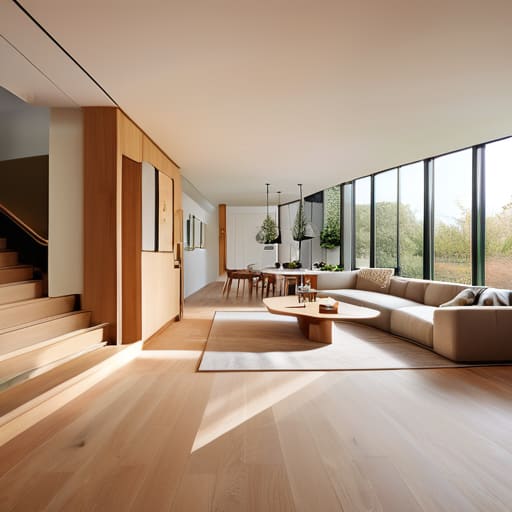
Let’s be real: if you have to do a weird, side-stepping shimmy just to get from the kitchen to the hallway, your layout is broken. I learned this the hard way in my first studio apartment, where I basically had to parkour over a coffee table just to reach the bathroom. When we talk about traffic flow in living rooms, we aren’t just talking about aesthetics; we’re talking about preventing that constant, low-grade frustration of bumping into corners every single day. You need clear, straight paths—at least 30 to 36 inches—so you aren’t constantly apologizing to your guests (or your dog) for being in the way.
A common mistake I see, especially with an open concept floor plan arrangement, is treating the entire floor like one giant, undifferentiated zone. You need to define where the “walking lanes” end and the “living zones” begin. If you’re using a large piece of furniture to anchor the space, pay close attention to your sectional sofa positioning. If it’s acting like a giant barricade that cuts off the natural path through the room, it’s not a cozy nook—it’s a roadblock. Aim to create distinct living room conversation areas that feel tucked away, even if they are technically part of a much larger, busier room.
Five Ways to Stop Fighting Your Furniture and Start Living
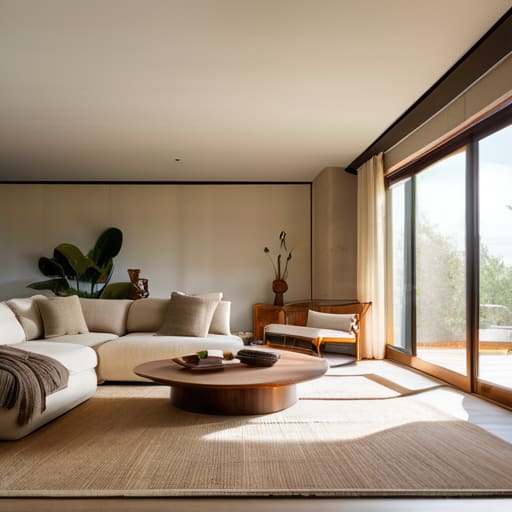
- Stop pushing everything against the walls. I know it feels like you’re “creating space,” but you’re actually just creating a hollow, awkward ring of nothing in the middle of the room. Pulling the sofa even six inches away from the wall—or floating it in the center to create a walkway behind it—makes the room feel intentional rather than just shoved into a corner.
- Ditch the matching set mentality. You don’t need that three-piece “living room suite” from a big-box catalog. Mixing a vintage armchair I found at a thrift store with your modern sofa adds much-needed visual texture and, more importantly, lets you choose pieces based on how they actually feel to sit in, not just how they look in a box.
- Use rugs to define “zones,” not just to cover up ugly flooring. If your living room doubles as your workspace or a reading nook, don’t just throw one massive rug down and hope for the best. A smaller, distinct rug under a chair or a coffee table tells your brain, “This is a separate space,” which is a lifesaver when you’re trying to mentally clock out of work.
- Prioritize “landing strips” over massive coffee tables. If you’re constantly playing Tetris just to set down a mug or your phone, your layout is failing you. Swap that giant, heavy table for a slim coffee table and a few sturdy side tables. It gives you more surface area for your actual life without turning the center of the room into an obstacle course.
- Light your life in layers, not just from the ceiling. That single, harsh overhead light is the enemy of a cozy vibe. I always keep a floor lamp by the reading chair and a small task lamp on a side table. It allows you to control the mood and makes the layout feel much more layered and “lived-in” without needing a massive renovation.
The Golden Rule of Furniture
Stop arranging your furniture for a hypothetical housewarming party that never happens; arrange it for the way you actually live, even if that means the sofa is slightly off-center so you can actually reach your coffee without doing a gymnastics routine.
Audrey Lin-McCallum
Stop Designing for Photos: Living Room Layouts That Actually Survive Real Life
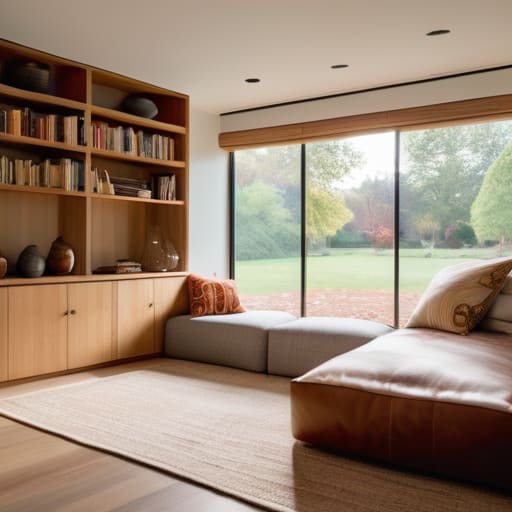
At the end of the day, a great living room layout isn’t about following a set of rigid design rules or making sure every pillow is perfectly fluffed for an Instagram shot. It’s about the intersection of function and reality. Whether you’re maximizing every square inch in a tiny apartment to avoid clutter, or rerouting your furniture to ensure you aren’t constantly playing obstacle course with the kids and the dog, the goal is the same: making the space work for you. Remember, if you can’t walk through the room without a mental map of where the coffee table is, or if your “minimalist” setup makes it impossible to actually sit down and relax, then the layout has failed. Focus on intentional movement and practical storage, and the rest will follow.
Please, give yourself permission to let your living room be a little messy and a lot lived-in. You don’t need a professional designer to tell you where your sofa belongs; you just need to listen to how you actually use the room. If you need a reading nook that’s slightly off-center, or if your TV setup needs to be a little more “convenient” and a little less “symmetrical,” go for it. We aren’t building museum exhibits here; we are building homes. Build a space that supports your real, busy, imperfect life, and I promise you’ll feel the difference the moment you sit down at the end of a long day.
Frequently Asked Questions
How do I arrange my furniture if I have a weirdly shaped room with awkward corners or a fireplace that won't cooperate?
Look, weird rooms are a headache, but they’re also just puzzles waiting to be solved. If a fireplace is hogging the center, stop trying to face everything toward it like it’s a shrine; pull the seating away to create a conversation zone instead. For those awkward corners, ditch the “empty space” mindset. Throw a leafy plant or a small reading nook there. Don’t fight the architecture—use the oddities to create distinct little zones.
I have a tiny living room that also acts as my home office; how can I layout the space so I don't feel like I'm working in my relaxation zone?
The “work-from-home-in-the-living-room” struggle is real. To save your sanity, you need a psychological boundary. If you can’t move the desk to another room, try “zoning” with a rug or a small open bookshelf to act as a visual divider. Most importantly, hide the tech when the clock hits 5:00. Tuck your laptop in a drawer or cover your monitor with a nice textile. If you can’t see the spreadsheets, your brain can actually start relaxing.
Is it actually worth investing in a massive sectional sofa, or am I better off with smaller pieces that I can move around when I need to?
Honestly? Unless you’re living in a literal palace, skip the massive sectional. I’ve learned the hard way that once a sectional is in place, your room belongs to the sofa, not you. If you want flexibility, go with a deep sofa and a couple of accent chairs instead. It gives you that “lounge” feel, but if you need to clear floor space for a project or rearrange for guests, you aren’t fighting a heavy beast.