I used to stare at those Pinterest-perfect meal prep containers—rows of identical, color-coordinated glass jars filled with quinoa and perfectly sliced kale—and feel nothing but pure, unadulterated exhaustion. It felt less like eating and more like a second job I hadn’t applied for. We’ve been sold this lie that learning how to meal plan requires a massive grocery haul, five hours of Sunday afternoon labor, and a kitchen that looks like a professional studio. But let’s be real: most of us are just trying to figure out how to get something decent into our bodies after a ten-hour workday without spending forty dollars on delivery.
I’m not here to teach you how to curate an aesthetic pantry; I’m here to help you build a functional system that actually survives a chaotic Tuesday. We are going to strip away the fluff and focus on manageable, incremental shifts that work with your actual schedule, not some idealized version of yourself. My goal is to show you how to approach how to meal plan using real-world logic—the kind that accounts for leftovers, tired brains, and the inevitable grocery store meltdown.
Table of Contents
Meal Prep for Beginners Building Systems Not Perfection
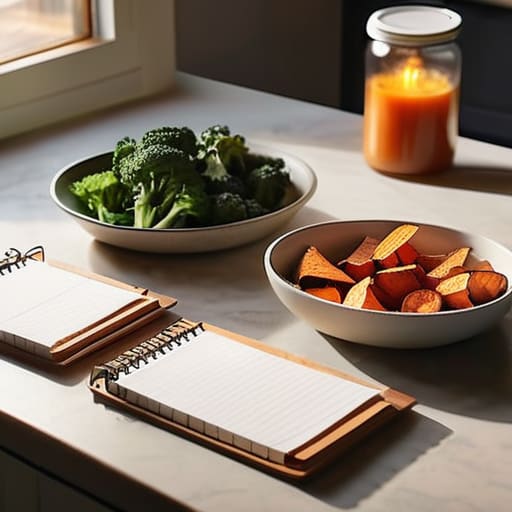
If you’ve ever scrolled through Pinterest and felt a sudden wave of inadequacy because someone’s Tupperware looks like a work of art, stop right there. We aren’t doing that here. Real meal prep for beginners isn’t about spending six hours on a Sunday in a pristine kitchen; it’s about making sure you don’t end up eating cereal for dinner on a Wednesday because you’re too drained to think. I like to think of it as building a safety net rather than a strict regime.
Instead of trying to cook ten different recipes, I suggest starting with simple batch cooking strategies. Pick one base—like a big pot of quinoa or roasted sweet potatoes—and one protein. If you prep those components in bulk, you can pivot them into different bowls or wraps throughout the week without feeling like you’re eating the exact same thing every single day. It’s about creating flexibility, not a rigid menu. When you focus on modular ingredients rather than complex dishes, you’re building a system that actually survives the chaos of a real work week.
Budget Friendly Meal Planning That Survives a Busy Week
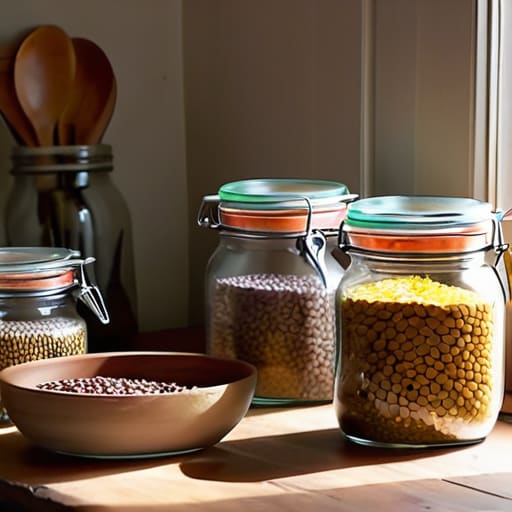
Let’s be real: the most expensive way to eat is by making “emergency” decisions at 6:00 PM when you’re hungry and exhausted. That’s when the takeout apps win, and your bank account feels the sting. To avoid this, I’ve leaned heavily into budget friendly meal planning that focuses on versatile staples rather than expensive, niche ingredients. Instead of buying a specific spice or a weird vegetable for one recipe, I look for items that can cross over into multiple meals. Think lentils, eggs, or a big bag of rice; these are the workhorses that keep the cost per meal low without sacrificing any actual flavor.
The real secret to making this stick, though, is a little bit of grocery list organization. I never head to the store without a plan, but I also don’t overcomplicate it. I group my list by aisle so I’m not zig-zagging through the store like a lost tourist, which is a huge time-saver. By sticking to a loose framework of what I actually need, I avoid those impulse buys that eventually just end up wilting in the crisper drawer. It’s not about being a master chef; it’s just about buying with intention.
Five Low-Stress Ways to Keep Your Kitchen Running Smoothly
- Audit your pantry before you even think about a grocery list. I’ve wasted way too much money on a third jar of cumin because I didn’t realize I already had two hiding in the back of the cupboard. See what you actually have, and build your plan around those staples first.
- Embrace the “Component Prep” method. Instead of spending your entire Sunday portioning out identical Tupperware containers of chicken and broccoli—which feels more like a chore than a hobby—just prep individual building blocks. Roast a big tray of veggies, cook a pot of grains, and prep a protein. It’s much easier to mix and match those throughout the week so you don’t feel like you’re eating the same meal five days in a row.
- Build in “Emergency Meals” for the days when everything goes sideways. We all have those weeks where a project deadline shifts or the cat gets sick. Keep a few high-quality, low-effort options on hand—think frozen dumplings, a really good jarred pasta sauce, or even just eggs and toast. Knowing you have a fallback prevents the “ordering expensive takeout because I’m too tired to think” cycle.
- Shop with a strategy, but leave a little breathing room. A rigid list is great, but if you’re too strict, you’ll end up frustrated when the grocery store is out of the specific kale you planned for. Pick three or four core recipes, but allow yourself the flexibility to swap ingredients based on what looks fresh or what’s actually in stock.
- Use a “Theme Night” framework to stop the decision fatigue. If you’re staring at the fridge at 6:00 PM wondering what to do, it’s usually because you have too many choices. Assigning themes—like Taco Tuesday, Meatless Monday, or Pasta Thursday—narrows your focus and makes the actual planning process take about five minutes instead of fifty.
The Real Goal of Planning
Stop trying to curate a Pinterest-worthy fridge full of identical glass containers; meal planning isn’t about aesthetic organization, it’s about making sure that when you’re staring blankly into the pantry at 7:00 PM on a Tuesday, you actually have a plan that doesn’t involve expensive takeout.
Audrey Lin-McCallum
The Goal Isn't a Perfect Pantry
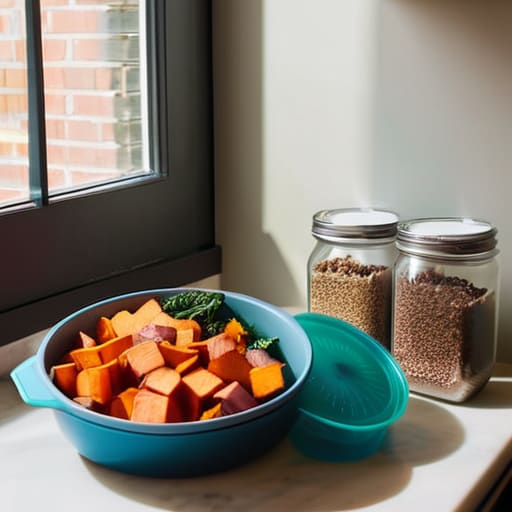
At the end of the day, meal planning isn’t about achieving some Pinterest-worthy fridge aesthetic or having every single Tupperware container color-coordinated. It’s about the systems we’ve discussed: starting small so you don’t burn out, keeping an eye on the budget so you aren’t stressed by your bank statement, and building enough flexibility to handle those inevitable Tuesday night disasters. If you only manage to prep two lunches instead of five, or if you end up ordering takeout because the grocery store was a zoo, you haven’t failed. You’re just navigating the reality of a busy life, and the goal is simply to make next week a little bit easier than this one was.
Please, give yourself some grace as you figure this out. I spent years trying to force myself into these rigid, high-maintenance routines that ended up feeling like a second job, only to realize that the most successful systems are the ones that actually bend without breaking. Don’t aim for a flawless culinary masterpiece; just aim for a little more breathing room in your schedule. You are building a life that works for you, not a life that looks good for a camera. Take it one meal at a time, and remember that progress is always better than perfection.
Frequently Asked Questions
How do I keep my meals from feeling repetitive if I'm eating similar things all week?
The secret is “component prepping” instead of “meal prepping.” Instead of making five identical chicken-and-broccoli bowls, prep versatile building blocks: a big batch of roasted veggies, a protein, and a grain. Then, change the flavor profile each night. Use different sauces—taco seasoning one night, a lemon-tahini drizzle the next, or a spicy soy glaze. You’re using the same base, but your taste buds won’t even realize it.
Is it actually worth the time to prep everything on Sunday, or should I just prep components as I go?
Honestly? The “Sunday Scaries” version of meal prepping—where you spend five hours in a kitchen trance—is a recipe for burnout. I’ve tried it, and by Wednesday, I’m craving something that isn’t a Tupperware brick. For me, component prepping is the sweet spot. Roast a big tray of veggies, boil some grains, and prep one protein. It gives you the building blocks to assemble a real meal in ten minutes without feeling like a robot.
What do I do when my meal plan completely falls apart because of an unexpected work deadline or a late night?
First, take a breath. The “all or nothing” mindset is the quickest way to end up ordering expensive takeout for the third night in a row. When the plan fails, pivot to your “emergency pantry” list. I’m talking about the five-minute meals: frozen dumplings, jarred pesto and pasta, or even just eggs on toast. Don’t try to catch up on the missed meals; just focus on making the next single decision as easy as possible.