I’m so tired of seeing those hyper-curated “meal prep” videos where people spend six hours on a Sunday arranging aesthetic glass containers of identical quinoa salads. Let’s be real: most of us don’t have a dedicated sous-chef or a pantry stocked with organic microgreens. Most days, the struggle isn’t about finding a gourmet recipe; it’s about figuring out how to use leftovers before that container of mystery pasta becomes a science experiment in the back of the fridge. I grew up in a tiny apartment where “wasting food” wasn’t a lifestyle choice, it was a budget reality, and I learned early on that real cooking is often just clever repurposing.
I’m not here to give you a list of complicated recipes that require a trip to three different specialty grocery stores. Instead, I want to share the practical, slightly messy systems I use to turn last night’s dinner into something that actually tastes good today. We’re going to focus on functional transformations—the kind of quick, low-effort shifts that fit into a chaotic work week without requiring a culinary degree. No fluff, no fancy plating, just honest ways to make your food work for you.
Table of Contents
Transforming Dinner Into Lunch Without the Boredom
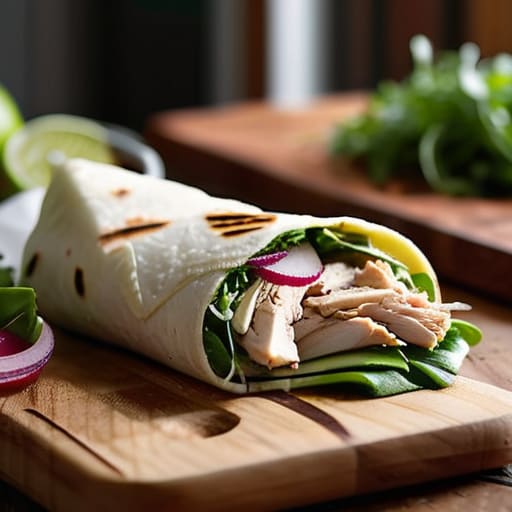
The biggest hurdle to eating well mid-week isn’t a lack of willpower; it’s the sheer dread of eating the same lukewarm chicken breast for the third day in a row. If you want to master the art of transforming dinner into lunch, you have to stop thinking about “reheating” and start thinking about reconstructing. Instead of just nuking a plate of pasta, try shredding that leftover roasted chicken and tossing it into a fresh wrap with some crunchy greens and a quick lime vinaigrette. It feels like a completely different meal, but you’re really just leveraging the heavy lifting you already did last night.
I’ve found that the secret to successful meal prep with leftovers lies in treating your proteins as versatile building blocks rather than finished products. When you’re repurposing cooked proteins, keep the seasoning light during the initial cook. This gives you the freedom to pivot—turning last night’s mild steak into a spicy taco filling or a savory grain bowl this afternoon. It’s a simple way to keep things interesting without adding more stress to your already crowded schedule.
Repurposing Cooked Proteins for Faster Weeknight Meals
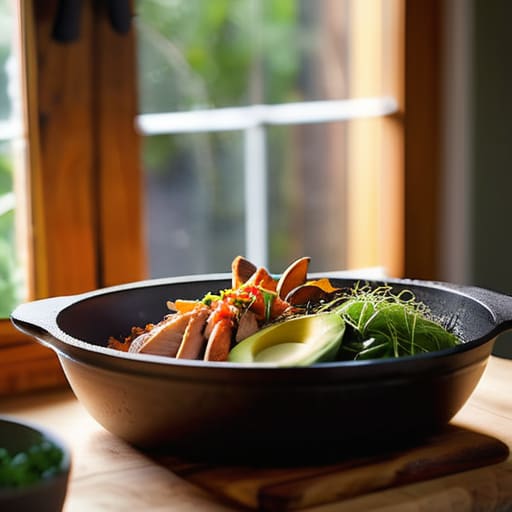
If you’re like me, the last thing you want to do after a long workday is stand over a stove for forty minutes. This is where repurposing cooked proteins becomes a total game-changer for your sanity. Instead of starting from scratch, think of your protein as a pre-prepped component rather than a finished dish. If you have leftover roasted chicken or even a bit of steak from Sunday dinner, don’t just let it sit in a Tupperware container until it gets sad. Shred that chicken and toss it into a quick quesadilla or a grain bowl. It’s one of those creative kitchen hacks that actually saves your evening.
The trick is to change the texture or the flavor profile so it doesn’t feel like you’re eating yesterday’s scraps. I love taking leftover salmon and flaking it into a quick salad with some lemon and arugula, or mixing some ground beef into a quick taco-style skillet. By focusing on meal prep with leftovers in this way, you’re essentially building a library of ready-to-go ingredients. It makes the whole process feel less like a chore and more like a smart, functional system.
My Low-Effort Rules for Keeping Leftovers From Feeling Like Leftovers
- Invest in a set of decent, uniform glass containers. It sounds boring, but if you aren’t digging through a mismatched pile of plastic tubs with missing lids, you’re much more likely to actually eat what you saved. Plus, they stack better in a tiny fridge.
- The “Component Strategy” is your best friend. Instead of storing a full plate of pasta, store the sauce and the noodles separately. It stops everything from turning into a gummy, sad clump when you reheat it.
- Keep a “flavor booster” kit in your pantry. I’m talking about things like chili crunch, high-quality hot sauce, or a good balsamic glaze. A quick drizzle can make last night’s plain roasted veggies feel like a deliberate choice rather than a chore.
- Don’t be afraid to “deconstruct” a meal. If you have leftover taco meat, don’t feel married to the taco shell. Throw it over a bowl of greens or mix it into some quick fried rice. Changing the texture is the easiest way to trick your brain into thinking it’s a new meal.
- Set a “use it or lose it” rule for your fridge. If something has been sitting in there for more than three days, it’s no longer a meal—it’s a project. Either commit to eating it for your next lunch, or toss it so it doesn’t take up mental space (and actual space) in your kitchen.
The Mindset Shift
“Stop looking at yesterday’s dinner as a chore to be reheated, and start seeing it as a head start on tomorrow. We aren’t trying to recreate a five-star meal; we’re just building a system that saves us twenty minutes of stress when we’re actually tired.”
Audrey Lin-McCallum
Making it Work for You
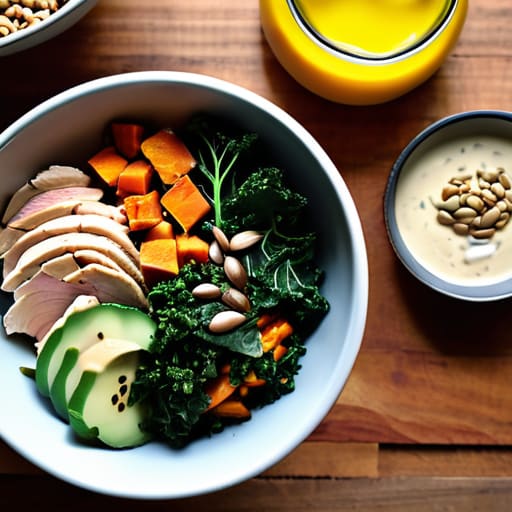
At the end of the day, repurposing leftovers isn’t about being a gourmet chef or following some rigid meal prep ritual; it’s about building a system that actually serves your schedule. Whether you’re turning last night’s roasted chicken into a quick taco filling or transforming those sad-looking veggies into a hearty grain bowl, you’re doing more than just avoiding food waste. You’re reclaiming your time and reducing that end-of-the-week decision fatigue that usually leads to expensive, unplanned takeout. Remember, the goal isn’t to make every meal look like a Pinterest board, but to ensure you have functional, edible options ready to go when life gets messy.
Don’t let the pressure of “perfect” cooking get in your way. If a meal feels a little repetitive, just tweak the texture or the seasoning and call it a win. We are all just trying to navigate the chaos of adulthood one manageable step at a time, and if that step involves eating a slightly modified version of yesterday’s dinner, then that is a victory. Focus on what works for your space, your budget, and your brain. You don’t need a curated kitchen to live a well-organized life; you just need a few smart habits that keep you moving forward.
Frequently Asked Questions
How do I know if these leftovers are actually safe to eat or if they've been in the fridge a little too long?
Look, I’ve definitely been there—staring at a container of pasta wondering if it’s lunch or a biohazard. My rule of thumb? Trust your nose first. If it smells even slightly “off” or sour, toss it. Also, check the texture; if things are slimy or unusually mushy, that’s a hard no. Generally, most cooked meals are good for three to four days in the fridge. When in doubt, don’t risk the food poisoning.
Are there specific ways to store these repurposed ingredients so they don't turn into a soggy mess by Thursday?
The “soggy mess” struggle is real. My golden rule? Never store dressings or sauces with your greens or grains. Keep them in separate small containers so you only combine them right before eating. Also, if you’re repurposing something like roasted veggies, let them cool completely on a wire rack before hitting the fridge—trapped steam is the enemy of texture. Invest in a few decent glass airtight containers; they keep things crisp much longer than plastic.
I'm always running out of time—is there a way to prep these "new" meals without it feeling like I'm cooking all over again?
I totally hear you. The last thing anyone needs after a long day is another hour over a hot stove. The trick is to stop thinking about “cooking” and start thinking about “assembling.” Keep a “base kit” ready—pre-washed greens, a jar of good vinaigrette, or some quick-cooking grains. When you’re tired, you aren’t making a meal from scratch; you’re just grabbing your leftover protein, tossing it onto that base, and calling it a win.