I used to think that being a “good” parent meant having a Pinterest-perfect craft room stocked with expensive, specialized kits that actually made me want to hide in the bathroom. But let’s be real: between my freelance deadlines and trying to keep my tiny apartment from feeling like a total disaster zone, I don’t have the bandwidth for a three-hour glitter marathon that leaves my living room looking like a unicorn exploded. We all need kids craft ideas that don’t require a PhD in organization or a massive budget, especially when we’re just trying to find twenty minutes of peace and quiet while they stay occupied.
In this post, I’m stripping away the pressure to create something museum-worthy and focusing on what actually works for busy, real-life households. I’ve rounded up five low-stakes projects that use mostly stuff you already have tucked away in your junk drawer or recycling bin. You’re going to learn how to facilitate meaningful creativity without the inevitable meltdown over a ruined rug. These are simple, functional, and—most importantly—designed to fit into your actual schedule, not some idealized version of it.
Table of Contents
The Cardboard Box Kingdom
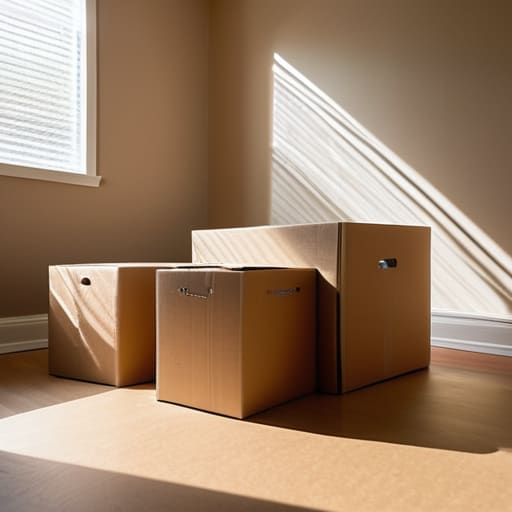
We all have that one corner of the living room where Amazon boxes go to die, but instead of letting them clutter up your walking paths, turn them into a temporary fortress. I’ve learned that kids don’t need a $200 plastic playhouse; they just need a large box, some masking tape, and a total lack of supervision for twenty minutes. It’s the ultimate low-stakes activity because if it falls apart, you just toss it in the recycling bin and call it a day.
Nature’s Own Sticker Collection
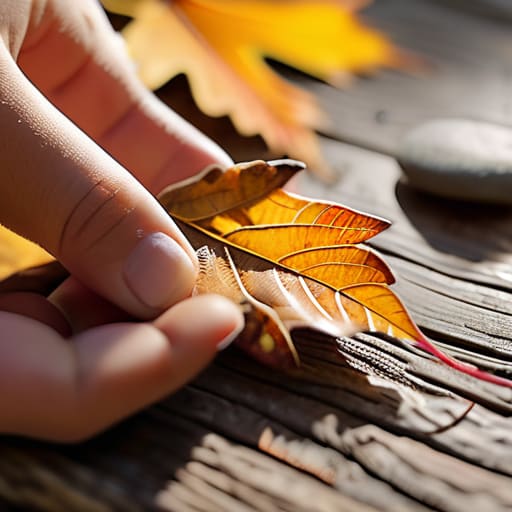
If you can manage to get the kids outside for even fifteen minutes, you’ve already done half the work. I love a good “treasure hunt” where the objective is simply to collect interesting textures from the yard or the local park. Think fallen leaves, interesting twigs, or even smooth stones. It’s basically free art supplies that nature has graciously provided, and it gets them moving instead of staring at a screen.
The Low-Mess Watercolor Hack
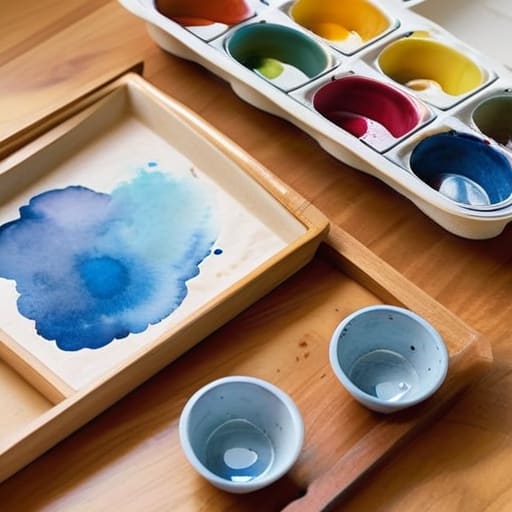
I used to be terrified of watercolor paints because I associated them with stained tablecloths and permanent ink on the sofa. But if you switch to the basic, inexpensive pan sets rather than the fancy professional stuff, the stakes feel much lower. I like to set up a small tray with a single cup of water and a couple of sheets of thick paper to contain the chaos to one specific zone.
Pasta Jewelry and Stringing
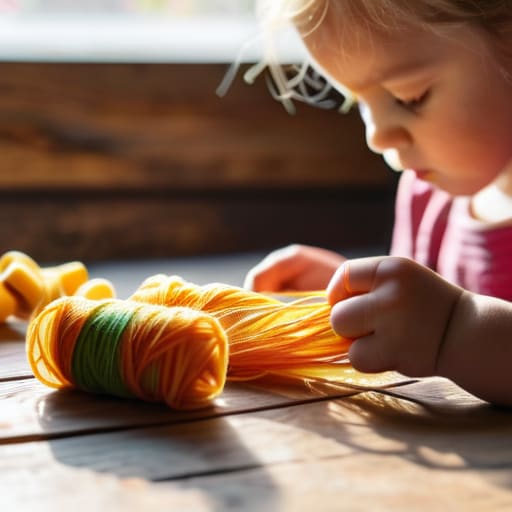
This is one of those classic activities that I swear by when I need to get a little bit of focused work done. Grab a box of penne or rigatoni—the ones with the big holes—and some colorful yarn or even just some old shoelaces. It’s a fantastic way to work on fine motor skills without it feeling like a formal lesson, and it keeps their hands busy while they listen to a story or a podcast.
Magazine Collage Chaos
Instead of buying those expensive, curated craft kits that arrive in a box and get used once, raid your recycling bin for old magazines or grocery circulars. I find that kids are surprisingly good at “curating” their own weird little worlds by cutting out eyes, wheels, or colorful patterns. It’s a great way to teach them about shapes and colors while using up stuff you were going to toss anyway.
The Goal Isn't a Masterpiece
“Forget the Pinterest-perfect crafts that require a $50 kit and three hours of your life; real creativity happens in the messy middle, using a cardboard cereal box and some old markers, where the goal is engagement rather than a finished product you’re afraid to display.”
Audrey Lin-McCallum
The Mess is Part of the Plan
At the end of the day, whether you’re diving into recycled cardboard sculptures or just letting them go wild with some washable markers, the goal isn’t to produce a masterpiece that belongs in a gallery. It’s about finding those small pockets of time where they can create something using what’s already in your junk drawer or recycling bin. We’ve covered everything from low-stakes painting to repurposing old containers, and the common thread is that these activities don’t require a pre-planned studio setup or a massive budget. You just need a bit of space, some basic supplies, and the willingness to let them explore without a rigid set of instructions.
If you find yourself staring at a pile of glitter on the kitchen floor or a smear of glue on the coffee table, just take a breath. I’ve been there, and I promise you, it’s not a sign of failure; it’s just evidence that something interesting happened. We spend so much energy trying to keep our homes looking like those perfectly staged Instagram feeds, but real life happens in the margins. Focus on the process, embrace the occasional chaos, and remember that you are building memories, not just clutter. You’ve got this, and honestly, the mess will wash off eventually.
Frequently Asked Questions
How do I keep the mess contained without turning my living room into a disaster zone?
Look, I’ve been there—trying to host a “creative moment” only to find dried glue on my favorite rug three weeks later. My golden rule? The “Tray Method.” Grab a cheap plastic cafeteria tray or even just a rimmed baking sheet. If the project stays on the tray, the mess stays on the tray. It creates a physical boundary for the glitter and scraps, and when they’re done, you just lift the whole zone and move it.
Are there ways to do these crafts using stuff I already have in my junk drawer instead of running to a craft store?
Honestly, that’s my entire philosophy. If you’re running to a craft store for a single glue stick, you’ve already lost the battle against overwhelm. Dig through that junk drawer—old rubber bands, those mismatched buttons, even some empty toilet paper rolls or leftover twine. Most of what we call “supplies” is just stuff we haven’t repurposed yet. Let’s keep it low-stakes and high-utility. If it’s in the drawer, it’s fair game for a project.
What do I do when a project inevitably fails or my kid loses interest halfway through?
Honestly? I lean into it. If the “masterpiece” turns into a pile of soggy cardboard, I don’t force a cleanup or a completion. I just pivot. Sometimes the project isn’t the goal; the goal is just twenty minutes of quiet connection. If they lose interest, we pack it up, tuck it in a bin, and move on. Life is too short to fight a losing battle against a toddler’s attention span.