If you spend more than five minutes on social media, you’ve probably seen those “dream” workspaces: pristine white desks, $800 ergonomic chairs, and enough expensive succulents to start a nursery. But let’s be real—most of those home office setup ideas are designed for a photoshoot, not for a person who actually has to work for a living. I spent years trying to replicate that curated aesthetic in my tiny apartment, only to realize that a perfectly color-coordinated bookshelf doesn’t actually help me hit a project deadline or keep my charging cables from becoming a tangled mess of despair.
I’m not here to sell you on a lifestyle you can’t maintain between Zoom calls and laundry loads. Instead, I want to share some actually functional ways to organize your space that respect your budget and your sanity. We’re going to skip the fluff and focus on building a setup that supports your workflow, rather than one that just looks good in a thumbnail. My goal is to help you create a workspace that works for you, even if it doesn’t look like a magazine spread.
Table of Contents
Small Space Home Office Solutions for Real Life Living
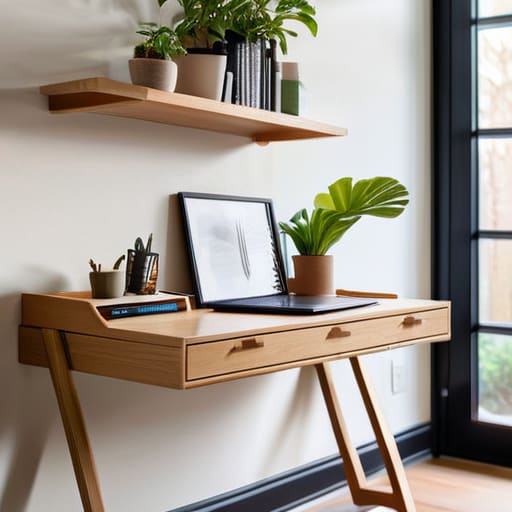
If you’re living in a studio or a one-bedroom like I did for years, the idea of a dedicated “office room” is a total myth. You don’t need a spare bedroom; you just need a corner that doesn’t make you feel like you’re working from your kitchen sink. I’ve found that the best small space home office solutions usually involve verticality. Think floating shelves above your laptop or a slim console table that doubles as a hallway entryway when you aren’t on Zoom calls. The goal is to create a boundary so your brain knows when it’s time to clock out.
When space is tight, every piece of furniture has to earn its keep. I’m a huge advocate for a minimalist home office design because clutter is the fastest way to trigger decision fatigue. If you’re squeezing a desk into a nook, skip the massive executive desk and look for something with clean lines. Most importantly, don’t skimp on your seating. Even in a tiny setup, finding decent ergonomic desk chair recommendations is non-negotiable; your lower back will thank you after a long Tuesday.
Ergonomic Desk Chair Recommendations That Support Your Body
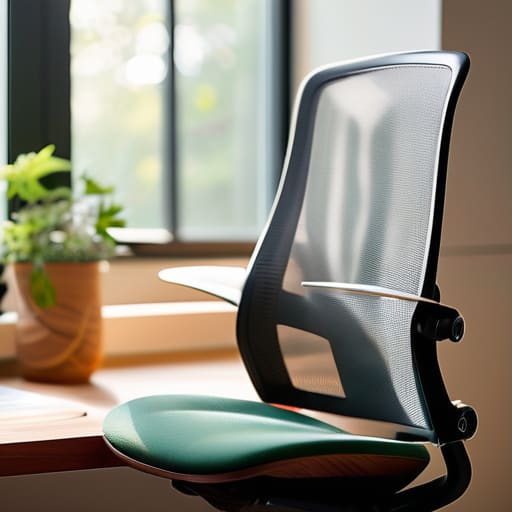
Look, I’m going to be real with you: your kitchen stool or that velvet accent chair you bought because it looked cute on Instagram is a recipe for a literal backache. If you’re spending more than two hours a day at your desk, investing in proper ergonomic desk chair recommendations isn’t a luxury; it’s basic maintenance for your spine. I spent months working from a dining chair that left me feeling like a human pretzel by 3:00 PM, and let me tell you, no amount of caffeine can fix that kind of physical fatigue.
When you’re shopping, ignore the flashy “gaming” chairs with all the neon lights. Instead, look for something with adjustable lumbar support and armrests that actually move. You want a chair that adapts to your body, not one that forces your body to adapt to it. Even if you’re working within a minimalist home office design where every piece needs to look intentional, don’t sacrifice your posture for the sake of a clean aesthetic. A chair that supports your neck and lower back is the ultimate tool for staying focused without the inevitable mid-afternoon slump.
5 Ways to Make Your Setup Work for You (Not Your Instagram Feed)
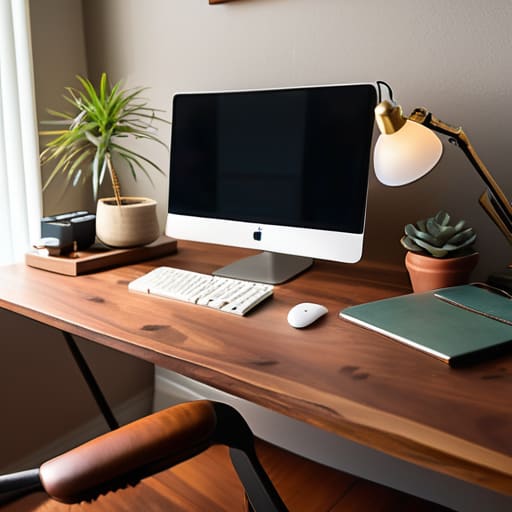
- Stop fighting your lighting. If you’re staring at a screen in a dark corner, your eyes are going to pay for it by 3 PM. I stopped trying to find that perfect “golden hour” window and just invested in a decent, warm-toned desk lamp. It’s much easier to focus when you aren’t squinting through a glare.
- Manage your cable chaos before it becomes a permanent part of your decor. I used to just shove everything behind the desk, but that’s how you end up with a tangled nest of dust-collecting wires. Grab some cheap Velcro ties or a basic cable management box; it takes ten minutes, but it makes the whole space feel ten times calmer.
- Build a “landing strip” for your analog life. Even if you’re a digital native, you’re going to have random notes, pens, and maybe a stray screwdriver handy. Dedicate one small tray or a specific corner of your desk for these things so they don’t migrate across your entire workspace like a slow-moving tide.
- Optimize your “reach zones.” Think about what you actually touch every single day—your phone, your water bottle, your notebook. If you have to stand up or lean awkwardly to grab them, your setup is working against you. Keep the essentials within an arm’s length, and let everything else stay tucked away.
- Incorporate one thing that isn’t “work.” Whether it’s a small potted pothos or that vintage brass tray I found at a thrift store, having something non-functional on your desk reminds you that this space is part of your home, not a sterile cubicle. It helps break that feeling of being “trapped” in your tasks.
## Forget the Pinterest Perfection
“Your desk shouldn’t look like a staged photo from a lifestyle magazine; it should look like a place where work actually happens. If your setup doesn’t help you focus or keep your back from aching by 3 PM, it’s not a workspace—it’s just expensive clutter.”
Audrey Lin-McCallum
Making It Work for You
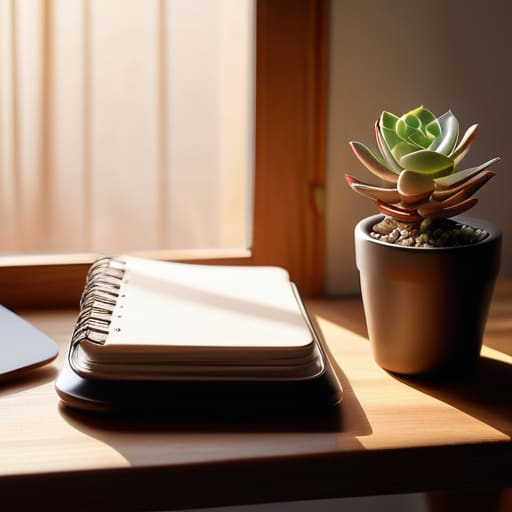
At the end of the day, building a home office isn’t about checking off a list of expensive gadgets or recreating a high-end showroom in your spare corner. It’s about the practical stuff we’ve talked about: finding ways to make a tiny footprint feel spacious, choosing a chair that won’t leave you with a cricked neck by 3:00 PM, and setting up a system that actually stays organized. Whether you’re working from a repurposed kitchen table or a dedicated nook, the goal is to remove the friction between you and your work. If your setup helps you focus instead of forcing you to fight against your environment, then you’ve already won.
Please, do yourself a favor and stop waiting for the “perfect” moment or the “perfect” budget to get organized. Life is messy, your schedule is probably chaotic, and your workspace will likely evolve as your needs change—and that is totally fine. Focus on making incremental improvements that make your daily grind just a little bit smoother. You don’t need a curated aesthetic to be productive; you just need a space that works for your real life. Now, grab that notebook, pick one small thing to fix today, and just start there.
Frequently Asked Questions
How do I keep my desk from becoming a cluttered mess of cables and random scraps of paper by mid-week?
Look, I’ve been there—by Wednesday, my desk usually looks like a paper cyclone hit it. The trick isn’t a massive overhaul; it’s about “resetting.” Get a small tray for those random scraps and a cable management box to hide the spaghetti mess. Most importantly, spend five minutes every evening clearing the surface. If it doesn’t have a home, it doesn’t belong on the desk. Small wins keep the chaos at bay.
I live in a studio apartment—is it actually possible to have a dedicated workspace without it feeling like my whole life is just "work"?
Honestly, I’ve been there. Living in a studio means your “office” is often staring you in the face while you’re trying to eat dinner. The trick isn’t finding more square footage—it’s about visual boundaries. Use a rug to define the zone, or even a folding screen to hide the laptop at night. If you can’t hide the gear, at least tuck it away. You need to be able to “leave” work, even if you’re only five feet away.
What are some budget-friendly ways to make my setup feel a bit more "me" without spending a fortune on decor?
Look, you don’t need a massive budget to stop your desk from feeling like a sterile cubicle. I’m a big believer in the “found object” approach. Grab a vintage ceramic mug from a thrift store for your pens, or repurpose a small wooden crate to hold your notebooks. Even just adding one hardy plant—like a pothos that’s hard to kill—makes the space feel alive. It’s about small, intentional touches that actually mean something to you.