Let’s be real: most of the “aesthetic” reading corners you see on social media are actually kind of a nightmare to live with. They look stunning in a filtered photo, but if you actually try to sit in that tiny, velvet-covered window seat for more than ten minutes, your back starts screaming at you. We all want a sanctuary to escape the digital noise, but finding actual, functional cozy reading nook ideas that don’t require a complete home renovation or a professional interior designer is the real challenge. I’ve spent way too many years trying to squeeze a moment of peace into a cramped apartment, and I’ve learned that a good nook isn’t about the perfect decor; it’s about creating a space that actually invites you to stay.
In this post, I’m skipping the fluff and sharing five practical ways to build a retreat that works for your actual lifestyle. We’re going to look at everything from lighting that won’t strain your eyes to choosing pieces that maximize your limited square footage. Whether you have a whole spare room or just a lonely corner in your bedroom, these five essentials will help you build a space that is genuinely restorative and ready for your next great book.
Table of Contents
The "Found Space" Corner
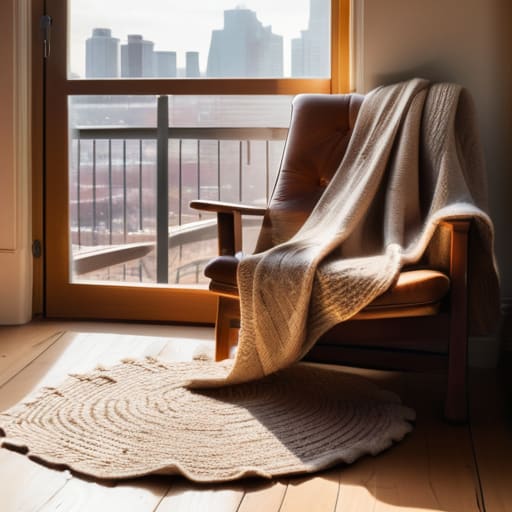
Most of us aren’t living in sprawling estates with dedicated libraries, so we have to get creative with the awkward gaps in our floor plans. I’ve spent a lot of my time in tiny city apartments figuring out that a random corner between a bookshelf and a window isn’t “wasted space”—it’s a potential sanctuary. You don’t need a whole room; you just need enough square footage to sit down without hitting your shins on the coffee table.
Lighting That Doesn't Hurt Your Eyes
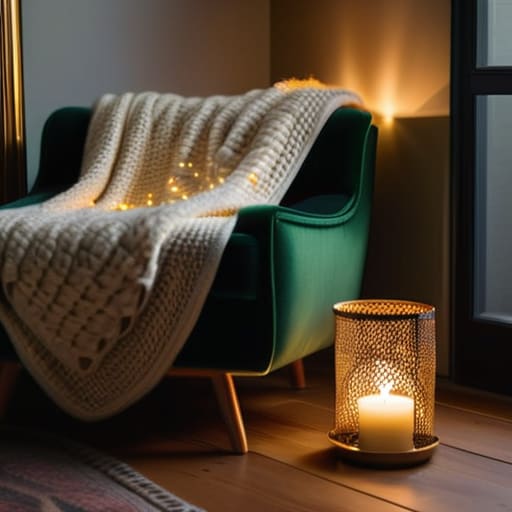
We’ve all been there—trying to power through a chapter in a room that’s either way too bright or dim enough to give us a headache. The mistake I see people making is relying on that one harsh overhead light that makes everything feel like a sterile office. For a real reading nook, you want layered lighting that feels soft and intentional, rather than clinical.
The Low-Maintenance Texture Hack
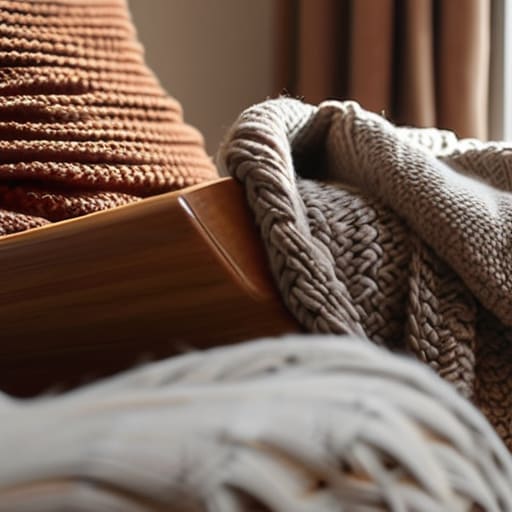
A nook feels “cozy” because of how it touches your skin, not just how it looks on Instagram. If you want to transform a standard chair into a reading nest, you need to think about tactile layers. I always say that if it doesn’t feel good to lean against, it’s not doing its job. You don’t need a designer throw blanket; you just need something that actually feels soft and heavy.
A Dedicated "No-Phone" Zone
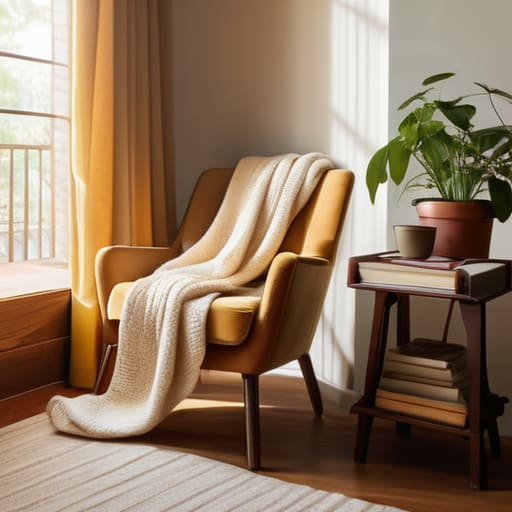
Here is a bit of hard truth: a reading nook isn’t really a nook if you’re just sitting there scrolling through emails or social media. To make this space work for your mental health, you have to treat it as a digital-free zone. I’ve found that if I bring my phone into my little corner, my brain stays in “productivity mode” instead of shifting into “relaxation mode.”
The "Grab-and-Go" Beverage Station
There is nothing that kills a reading flow quite like realizing your tea has gone cold and having to trek all the way to the kitchen to fix it. When I’m deep in a book, I want to stay put. To avoid this, I like to create a tiny, functional setup right next to my seat. It doesn’t have to be a full coffee bar; a simple coaster and a small tray will do the trick.
## The Reality of the Nook
“Forget the Pinterest-perfect velvet armchairs and the perfectly staged trays of tea; a real reading nook is just any small corner where you can finally stop performing for the world and just exist with a book.”
Audrey Lin-McCallum
Making It Yours
At the end of the day, building a reading nook isn’t about buying a specific brand of velvet armchair or perfectly matching your throw pillows to your curtains. It’s about the small, functional wins: finding a corner where the light actually hits your pages, grabbing a lamp that doesn’t strain your eyes, and making sure you have a dedicated spot for your coffee or tea. Whether you’ve cleared out a corner of your bedroom or just repurposed a window seat, the goal is to create a zone that serves your needs rather than just looking good on a Pinterest board. Focus on the comfort and utility of the space, and the rest will naturally fall into place.
Don’t let the idea of “decorating” stop you from actually enjoying your books. If your nook is a little bit messy or doesn’t follow any strict design rules, that’s perfectly fine. Life is messy, and your sanctuary should be able to handle that. The most important thing is that when you sit down after a long day, you feel like you can finally exhale. You aren’t building a museum; you’re building a refuge from the chaos. So, grab that book you’ve been meaning to finish, find your spot, and just enjoy the quiet.
Frequently Asked Questions
I have a tiny studio apartment, so how can I create a nook without it feeling like I'm just cluttering up my only living space?
The “clutter” feeling usually happens when we try to force a massive armchair into a space that doesn’t have the breathing room for it. In a studio, think vertically and multi-functionally. Instead of a heavy chair, try a floor cushion or a slim, backless stool you can tuck under a desk when you’re done. If you can’t claim floor space, claim a corner with a small floating shelf for your tea and a clip-on light. Keep it light, keep it mobile, and keep it intentional.
What should I do if I don't have a dedicated corner or a window to work with?
Look, I’ve spent way too much time trying to make a “nook” work in a studio apartment that’s basically one big hallway. If you don’t have a window or a spare corner, stop stressing about finding the perfect architectural nook. Instead, think vertically or mobile. A sturdy, oversized floor cushion in a quiet corner of your bedroom, or even a dedicated tray on your sofa, works perfectly. It’s about creating a mental boundary, not a structural one.
How do I balance making the space "cozy" with actually being able to sit there for an hour without my back hurting?
Look, I’ve been there—spending twenty minutes picking out the perfect velvet pillow only to realize I can’t sit still for ten minutes without my spine screaming. Here’s the trick: prioritize the “bones” of the seat over the fluff. Find a chair with actual lumbar support first, then layer in the cozy stuff. Use a firm cushion for your back and save the soft, aesthetic throws for your lap. Function over fluff, always.