I was sitting on my floor last Tuesday, surrounded by three half-empty cardboard boxes and a mountain of “maybe one day” junk, feeling like I was losing a fight against my own living room. We’ve all seen those viral videos where someone spends six hours perfectly color-coding a pantry with expensive glass canisters, but let’s be real: that isn’t a solution, it’s a full-time job. If you’re looking for a way to learn how to declutter your home without turning your life into a high-maintenance museum exhibit, you’re in the right place. I don’t care about the “aesthetic”—I care about whether or not you can actually find your keys when you’re running late.
In this guide, I’m skipping the expensive organizational gadgets and the overwhelming “all-or-nothing” mindset. Instead, I’m sharing the incremental, messy-but-effective systems I’ve used to reclaim my space, from my cramped studio days to my current freelance setup. We are going to focus on building a home that actually serves you, prioritizing functionality over perfection. Let’s stop chasing a curated look and start creating a space where you can actually breathe and move.
Table of Contents
Mastering the Decluttering Mindset and Psychology
Before you even touch a single cardboard box, we need to talk about what’s happening between your ears. Most people fail at this because they approach it like a chore list rather than an emotional reset. We tend to hold onto things because of “just in case” anxiety or the guilt of what we spent. But here’s the thing: if you’re trying to force a Pinterest-perfect lifestyle onto a busy schedule, you’re going to burn out by Tuesday. Instead, focus on decluttering for mental clarity. When you stop viewing your belongings as extensions of your identity and start seeing them as tools or burdens, the process becomes much lighter.
It’s also vital to ditch the idea that you need to be a minimalist to be successful. You don’t need to own exactly one fork and a single grey sweater; you just need a system that doesn’t leave you feeling suffocated. Developing a healthy decluttering mindset and psychology means accepting that your home is a living, breathing space, not a museum. We aren’t aiming for a sterile void; we’re aiming for breathing room.
A Realistic Decluttering Room by Room Guide
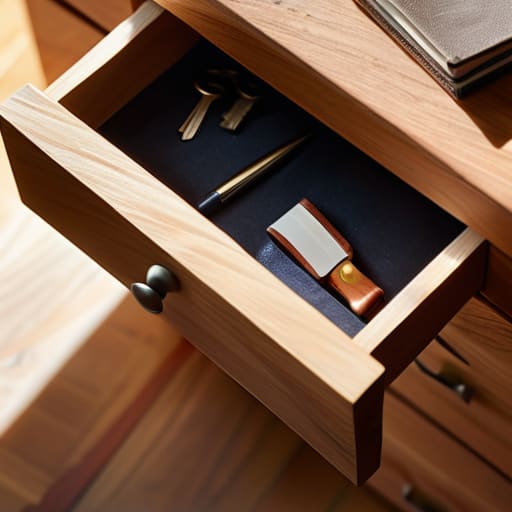
Let’s get practical. Instead of trying to tackle the whole house in one frantic weekend—which is a one-way ticket to burnout—I recommend a decluttering room by room guide approach. Start with the space that stresses you out the most, even if it’s just a single junk drawer or that one “doom pile” in the corner of your bedroom. When you focus on one zone at a time, you actually see progress, which is huge for keeping your momentum alive.
When you move into the kitchen or living area, lean into organizing small spaces by thinking vertically. If you’re living in a place where every square inch counts, don’t just throw things away; rethink how they sit on your shelves. For the bathroom, be ruthless with expired products—if you haven’t used that heavy cream since 2021, it’s time to let it go. The goal here isn’t to achieve some untouchable, sterile showroom look; it’s about creating a flow where you can actually find your keys or your coffee mugs without a scavenger hunt.
Five Low-Stress Strategies for When You’re Feeling Overwhelmed
- Stop trying to do the whole house in one weekend. Seriously, don’t even try. I used to think I could tackle the entire living room on a Saturday, only to end up sitting on the floor surrounded by piles of junk, feeling more stressed than when I started. Instead, pick one single drawer or one specific shelf. Just one. It’s much easier to stay motivated when you can actually see the finish line.
- Use the “Maybe Box” for the stuff that gives you decision paralysis. We all have those items—that weird gadget from college or the sweater that might fit if we just try hard enough. Instead of agonizing over it for twenty minutes, toss it in a box, tape it shut, and stick it in the closet. If you haven’t thought about those items in three months, you can donate the whole box without even opening it.
- Forget the “Keep, Donate, Trash” labels and try the “Does This Actually Serve My Current Life?” test. We tend to hold onto things for the person we used to be or the person we wish we were. If you haven’t used that professional baking kit in three years because you’re currently more into quick weeknight pasta, it’s okay to let it go. Your space should reflect who you are right now, not your past hobbies.
- Don’t let “organizing” become a procrastination tactic. I see this all the time—people buy a bunch of expensive, matching acrylic bins before they’ve even cleared the clutter. That’s just moving the mess into a prettier container. You have to get rid of the excess before you start thinking about where things live. Clear the deck first; the containers can come later.
- Keep a “One In, One Out” rule to maintain your sanity. Once you’ve done the hard work of decluttering, the easiest way to keep it from creeping back in is to make sure new stuff doesn’t just pile up. If you buy a new pair of boots, an old pair has to go. It sounds simple, but it creates a natural boundary that keeps your home from feeling like a storage unit again.
Forget the Magazine Aesthetic
“Decluttering isn’t about achieving some flawless, Pinterest-perfect minimalism; it’s about clearing enough physical and mental space so that your home actually supports your life instead of just giving you more chores to do.”
Audrey Lin-McCallum
The Finish Line (Is Actually a Starting Line)
Look, if you’re feeling a little exhausted after working through those rooms, that’s completely normal. We’ve covered a lot—from shifting your mindset away from “perfection” to actually tackling the physical piles in your kitchen and bedroom. The goal here wasn’t to turn your apartment into a sterile showroom, but to reclaim your space so it actually serves your daily routine. Remember, the systems we talked about aren’t set in stone; they are living, breathing processes. If a drawer gets messy again next week, don’t scrap the whole plan. Just grab your multi-tool, take a breath, and fix what you can in small, manageable bites.
At the end of the day, decluttering isn’t about what you’re getting rid of; it’s about what you’re making room for. I want you to focus on the mental clarity that comes when you aren’t constantly navigating a sea of “stuff” just to find your keys. You are building a life that fits your actual schedule and your actual needs, not some curated version of yourself you saw on a social media feed. So, take a moment to sit in your newly cleared space, grab a coffee, and just enjoy the breathing room. You’ve earned it, and you’re doing better than you think.
Frequently Asked Questions
What do I actually do with all the stuff I decide to get rid of—I don't want it just sitting in trash bags by my front door for weeks?
The “trash bag limbo” is where good intentions go to die. If it stays by your door, it’s just clutter in a different outfit. My rule? The “One-Week Out” system. I keep a dedicated bin for donations and a box for things to sell. If it’s not out of the house by Sunday, it goes back into the rotation. Don’t let your progress become a new project; get it out of your sight immediately.
How do I stop myself from just moving the clutter from one room to another instead of actually getting rid of it?
I call this “clutter shuffling,” and trust me, I’ve done it more times than I’d like to admit. The trick is to stop treating your house like a game of Tetris. If you’re just moving stuff, you haven’t actually made a decision yet. Next time you pick something up, don’t ask “where does this go?” Ask, “do I actually use this?” If the answer is a shrug, it goes in the donation bin immediately. No transit allowed.
I only have about fifteen minutes of free time a day; is it even possible to make progress without spending an entire weekend tackling the whole house?
Honestly? It’s not just possible; it’s actually better. If you try to tackle the whole house in one weekend, you’ll burn out by Sunday afternoon and end up feeling defeated. I swear by the “fifteen-minute micro-win.” Pick one drawer, one shelf, or even just your junk mail pile. It feels small, but those tiny, consistent wins build momentum without wrecking your sanity. We’re building systems here, not performing a marathon.