I used to think that being “safe” meant spending a small fortune on high-tech smart locks and those overly complicated security systems that require a PhD just to disarm. Honestly, most of those expensive gadgets feel like they’re designed more for a tech showroom than a real, lived-in apartment. I’ve spent way too many nights staring at a flickering smart bulb, wondering why I paid for “security” that actually just added more clutter to my life. We need to stop chasing the aesthetic of high-end security and start focusing on actual, practical home safety tips that work when you’re tired, busy, and just trying to get through a Tuesday.
I’m not here to sell you a subscription service or tell you that you need a panic room to feel secure. Instead, I want to share the low-maintenance, actually functional systems I’ve built in my own cramped spaces using nothing more than common sense and a few reliable tools. We’re going to walk through way to fortify your space without turning your home into a fortress or a headache. My goal is to give you a realistic roadmap so you can finally stop worrying and actually start relaxing in your own space.
Table of Contents
Securing Entry Points Without Constant Worry
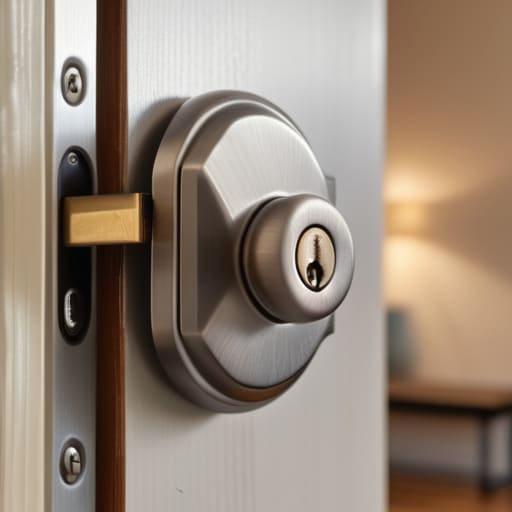
Look, I get it. There is a specific kind of low-grade anxiety that hits when you’re lying in bed at night, wondering if you actually clicked the deadbolt or if that sliding door is as secure as it looks. But we aren’t aiming for a high-security bunker; we’re just looking for peace of mind. When it comes to securing entry points, I’m a huge fan of the “layered approach.” It’s not about replacing every window in your apartment, but about making sure the obvious weak spots aren’t easy targets. Start with the basics: check your strike plates and make sure your screws are long enough to actually hold. A simple, sturdy deadbolt is often more effective than a fancy gadget that requires a software update every Tuesday.
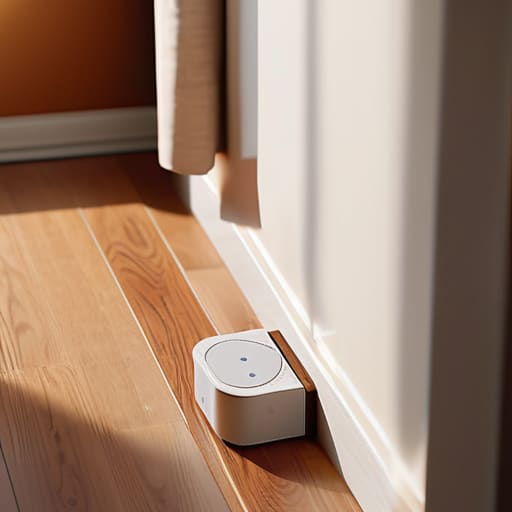
If you’re feeling tech-forward, integrating some basic smart home security systems can be a total game-changer for your mental load. I love door sensors that ping my phone if something is opened unexpectedly—it’s a small way to stay connected to my space without having to constantly hover over the locks. It’s all about building a system that works for you, rather than adding another complicated chore to your already overflowing to-do list.
Fire Prevention Strategies for Non Perfectionists
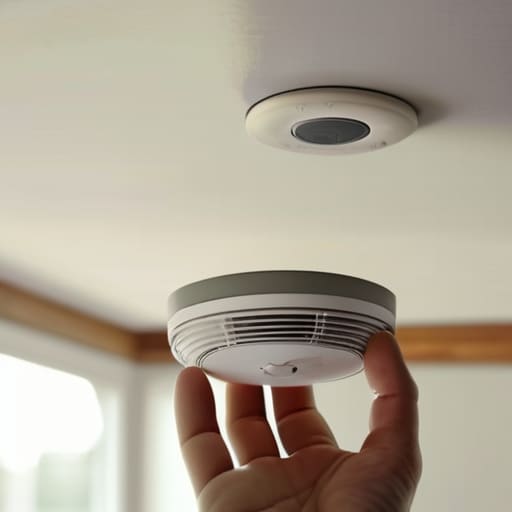
Look, I’m not going to tell you to go out and buy a high-tech, integrated smart home security system that requires a PhD to operate. If you’re like me, you just want to know that you aren’t going to wake up to a disaster. Real fire prevention strategies don’t need to be complicated; they just need to be consistent. Start with the basics: check your smoke detectors once a month. I keep a little note in my planner to do it on the first Sunday of every month so I don’t actually have to think about it.
Next, let’s talk about the kitchen—the most likely place for things to go sideways. It’s easy to get distracted by a podcast or a text, but keeping a clear zone around your stovetop is a huge part of preventing home accidents. Don’t let tea towels or paper bags migrate toward the heat. Finally, if you haven’t already, grab a fire extinguisher and put it somewhere you’ll actually reach it, like under the sink or near the back door. It’s not about being paranoid; it’s just about having a functional backup plan for when life gets messy.
Small Tweaks for a Safer Space (That Won't Take Over Your Weekend)
- Audit your lighting—and I don’t mean buying fancy smart bulbs. Just make sure those dim, creepy corners in your hallway or near the entryway actually have working, bright bulbs. If you can’t see a trip hazard, you’re eventually going to become one.
- Stop treating your smoke detector batteries like a “someday” project. Set a recurring monthly reminder on your phone right now to hit the test button. It takes ten seconds, and honestly, it’s the easiest way to sleep a little sounder.
- Check your “tech clutter” for fire risks. We all have that one power strip buried under a desk that’s juggling a laptop, a lamp, and a space heater. If it’s warm to the touch or looks like a tangled nest of wires, unplug it and get a dedicated surge protector.
- Keep a “grab-and-go” kit near your main exit. It doesn’t need to be a tactical survival bag; just a small pouch with a flashlight, a basic first-aid kit, and maybe a spare set of keys. If things get chaotic, you won’t be hunting through junk drawers while you’re trying to react.
- Do a quick “clutter sweep” of your walkways. I know, I know, life is messy, but leaving a pile of mail or a rogue shoe in the middle of a dark path is a recipe for a bruised shin or a bad fall. Keep the paths clear so you can move through your home without a mental obstacle course.
The Philosophy of a Secure Space
“Home safety isn’t about turning your apartment into a high-security bunker; it’s about setting up a few smart, low-effort systems so you can actually relax when you close your eyes at night.”
Audrey Lin-McCallum
Making Safety Part of the Routine
At the end of the day, securing your home isn’t about turning your apartment into a fortress or following some exhaustive, high-stress checklist. It’s really just about the small, manageable wins we’ve talked about: checking that your locks are sturdy, making sure your smoke detectors aren’t chirping for help, and keeping a clear path to your exits. You don’t need a massive renovation budget or a degree in home security to protect your space. If you can manage to set up a few basic systems—like a quick monthly check of your fire extinguishers or a simple routine of double-checking the door before bed—you’ve already done more than most. It’s about building layers of protection that fit into your actual life, not a hypothetical, perfect one.
I know how easy it is to look at a long list of “to-dos” and feel that immediate sense of overwhelm, but please don’t let that stop you from starting. You don’t have to fix everything by Sunday afternoon. Just pick one thing—maybe it’s just replacing those old batteries or clearing the clutter away from your heater—and start there. Safety is a moving target, and it’s okay if your systems evolve as you go. Remember, we aren’t aiming for a museum-quality setup; we are just trying to create a functional, reliable sanctuary where you can actually breathe easy. You’ve got this, one small step at a time.
Frequently Asked Questions
How do I keep my home secure if I’m renting and can't make permanent changes like installing heavy-duty deadbolts?
I totally get it—the “renter’s dilemma” is real. When you can’t drill into the doorframe, you have to get creative with what’s non-permanent. I swear by portable door jams or security bars; they’re incredibly effective and peel right off when you move. You can also grab some smart, battery-operated window alarms. They’re cheap, easy to install with command strips, and give you that extra peace of mind without losing your security deposit.
What are some low-effort ways to check if my smoke detectors and carbon monoxide alarms are actually working without it feeling like a huge chore?
Honestly, don’t make this a whole “Saturday morning project.” Just grab your phone and do a quick walk-through once a month. Most modern alarms have a “test” button right on the front—press it, listen for the chirp, and you’re done. If you want to be a bit more thorough without the stress, just check the little expiration date on the back while you’re dusting. If it’s older than ten years, just swap it out. Simple.
Are there any smart home security gadgets that are actually worth the money, or is it better to just stick to the old-school basics?
Honestly? It’s a mix. I’m a sucker for efficiency, so a solid video doorbell is a game-changer for peace of mind when I’m out at a client meeting. But don’t go overboard with a “smart” ecosystem that requires a PhD to troubleshoot. If it doesn’t make your life easier or actually catch something useful, skip it. Stick to the basics—good locks and window sensors—and only add tech that solves a specific frustration.