I spent three hours last weekend scouring the internet for the “ultimate” air purifier, only to realize I was staring at a $600 piece of plastic that promised to solve every problem known to man. It felt like such a trap. We’ve been sold this idea that the only way to fix our homes is to buy a suite of expensive, high-tech gadgets that require constant filter replacements and a dedicated power outlet. But honestly? If you’re looking for a magic bullet, you’re going to end up frustrated and broke. Learning how to improve indoor air quality shouldn’t feel like a part-time job or a luxury reserved for people with massive home offices and zero clutter.
I’m not here to sell you on a lifestyle of pristine, sterile minimalism that looks good on Instagram but feels impossible to maintain. Instead, I want to share the low-maintenance systems I’ve actually used in my own cramped apartment to make the air feel lighter and cleaner. We’re going to focus on small, functional tweaks—from smart ventilation habits to choosing the right plants—that actually fit into a real, messy schedule. No hype, no expensive nonsense, just practical solutions that work.
Table of Contents
Identifying Common Indoor Air Pollutants Without the Stress

Look, I’m not a scientist, and I don’t think you need a lab kit sitting on your coffee table to figure out what’s going on with your air. For me, it usually starts with a “gut check” of my own space. If you find yourself sneezing more than usual when you’re hanging out in the living room, or if there’s a weird, musty smell lingering in the corners of your apartment, those are your clues. We often overlook common indoor air pollutants because they’re invisible, but they usually leave a trail of physical symptoms—like scratchy eyes or a lingering headache—that tell a much clearer story than any sensor could.
I also like to keep an eye on the environment itself. For instance, I’ve noticed a massive difference in how I feel based on the impact of humidity on air quality; if my place gets too damp, everything feels heavy and stale. Instead of panicking about every single molecule, just look for the obvious culprits: pet dander, dust buildup on your baseboards, or even that scent from a heavily fragranced candle you used last night. It’s about spotting the patterns, not achieving a sterile vacuum.
Low Maintenance Hepa Air Purifier Benefits for Busy Schedules
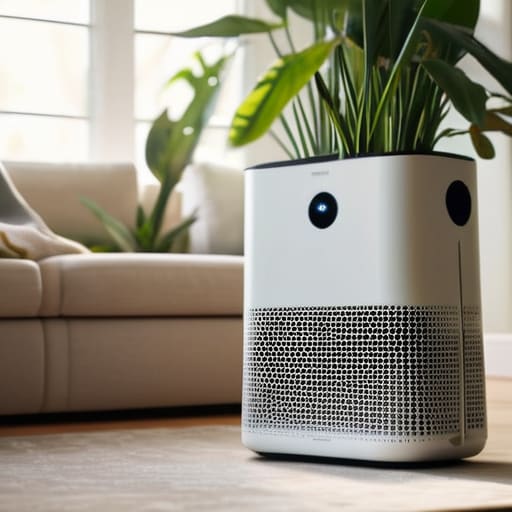
Look, I get it. Most of us don’t have the bandwidth to play scientist in our own living rooms. We’re juggling deadlines, grocery runs, and trying to keep a single succulent alive. That’s why I’m such a fan of a solid HEPA air purifier; it’s basically the “set it and forget it” solution of the wellness world. Instead of constantly worrying about reducing household allergens like dust or pet dander, you can just let a machine do the heavy lifting while you actually live your life.
The real HEPA air purifier benefits aren’t just about the technical specs, though. It’s about the mental headspace you gain when you aren’t constantly sneezing or feeling that weird, heavy “stale air” vibe in your apartment. You don’t need a complex setup or a degree in environmental science—just find a model that fits your space and let it run on a low, quiet setting. It’s one of those rare instances where investing in a little automation actually pays off in your daily comfort without adding another massive item to your to-do list.
Five Realistic Swaps for Cleaner Air (That Won't Break Your Budget or Your Schedule)
- Stop overthinking the “green” trend and just get a few hardy plants like Snake Plants or Pothos. They aren’t magic filters, but they add a bit of life and help regulate humidity without requiring a PhD in botany to keep them alive.
- Ditch the heavy, synthetic scented candles and those aggressive plug-in air fresheners. If you want your place to smell like something other than a stale apartment, try a quick simmer pot with some lemon peels and rosemary on the stove instead.
- Don’t let dust become a permanent resident. You don’t need to deep-clean every baseboard every weekend, but a quick, five-minute pass with a damp microfiber cloth once a week keeps the heavy hitters from circulating every time you walk by.
- Manage your humidity like you manage your inbox—don’t let it pile up. If your place feels like a sauna, a small, low-energy dehumidifier can stop mold from moving in before it even becomes a problem.
- Open a window for ten minutes a day, even if it’s chilly. It sounds too simple to work, but a little cross-ventilation is the fastest way to flush out the stale, stagnant air that accumulates while we’re busy working or sleeping.
Real Life vs. The Aesthetic
“We often get caught up trying to turn our homes into these sterile, Pinterest-perfect sanctuaries, but improving your air quality isn’t about achieving a flawless laboratory environment—it’s just about making your space a little less taxing on your lungs so you can actually breathe easier while you live your life.”
Audrey Lin-McCallum
Small Steps, Better Air
At the end of the day, improving your air quality doesn’t require a complete home overhaul or a massive budget. We’ve looked at how to spot the culprits—from dust to lingering cooking smells—and why a reliable HEPA purifier is probably the smartest investment you can make for your sanity and your lungs. Remember, you don’t have to tackle everything at once. Whether it’s just opening a window for ten minutes a day or finally setting up that air purifier in your bedroom, these small, intentional shifts are what actually move the needle. It’s about building a functional environment that supports your health rather than adding another massive chore to your to-do list.
I know how easy it is to feel overwhelmed by the “wellness” industry and its endless list of must-have gadgets and perfect lifestyles. But please, give yourself some grace. Your home is meant to be lived in, not just curated for a magazine spread. If you can just make one small tweak this week to help you breathe a little easier, you’ve already won. We aren’t aiming for a sterile, laboratory-grade atmosphere; we are just trying to create a space that feels safe, clear, and restorative. Start where you are, use what you have, and let the rest follow.
Frequently Asked Questions
Are there specific plants that actually do more than just look pretty, or is that mostly just a myth?
It’s a bit of both, honestly. The “NASA study” hype makes it sound like a single fern will scrub your apartment clean, but that’s not quite the reality. While plants do absorb certain toxins, you’d need a literal indoor jungle to match a HEPA filter. However, if you want functional greenery, go for Snake Plants or Peace Lilies. They’re hardy, low-maintenance, and actually help boost oxygen levels while looking great on a cluttered shelf.
How often do I really need to change my filters without it becoming another overwhelming chore on my to-do list?
Look, I get it. If I had to track every single filter change in my apartment, I’d never have time to actually live in it. Don’t aim for a perfect schedule; aim for a realistic one. Most HEPA filters need a swap every 6 to 12 months. My trick? Set one recurring calendar alert for your “Spring Cleaning” or “Fall Reset” window. Check the filter’s color—if it looks like a dusty old sponge, swap it.
If I live in a small apartment, will running an air purifier actually make a difference, or am I just wasting electricity?
Honestly, if you’re in a small apartment, an air purifier is actually more effective, not less. Because your square footage is limited, the machine doesn’t have to work nearly as hard to cycle the air. It’s not a waste of electricity; it’s more like a concentrated boost for your specific zone. Think of it as a way to reclaim your breathing space without needing a massive, expensive HVAC overhaul.