I still remember standing in my tiny, third-floor walk-up kitchen three years ago, staring at a bag of dried chickpeas like they were a complex math equation I was destined to fail. I had read all these high-brow culinary blogs insisting that if I didn’t spend twelve hours performing a sacred soaking ritual with filtered water, I was basically doing it wrong. Honestly? That kind of gatekeeping is exactly why people avoid healthy cooking. Learning how to cook beans and lentils shouldn’t feel like a full-time job or a test of your patience; it should just be a functional part of your week that doesn’t require a chemistry degree.
I’m not here to give you a curated, Pinterest-perfect guide that assumes you have nothing better to do than hover over a stove. Instead, I’m going to show you the shortcuts and systems that actually work when you’re tired, busy, or just plain hungry. We’re going to cover the real-world methods for getting these staples on your plate without the unnecessary drama. My goal is to help you master how to cook beans and lentils so they become a reliable tool in your kitchen arsenal, rather than another source of overwhelm.
Table of Contents
Soaking Dried Beans vs No Soak Choosing Your Workflow
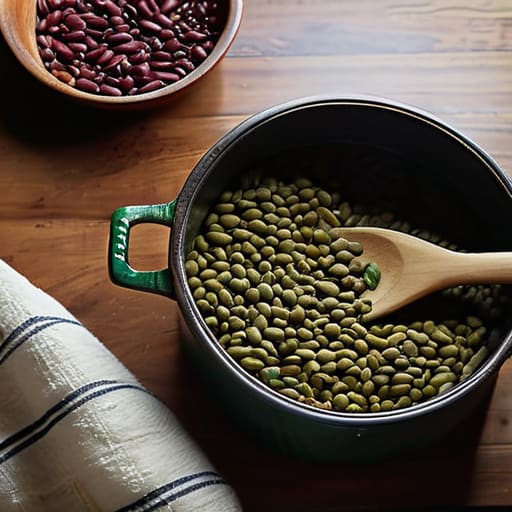
Look, I get it. The whole debate over soaking dried beans vs no soak can feel like just another thing on your to-do list that you don’t have time for. If you’re like me and often realize at 6:00 PM that you forgot to prep your dinner the night before, the traditional “soak overnight” rule feels more like a trap than a helpful tip. The truth is, you can absolutely skip the soak if you have the time to spare on the stove. Just keep in mind that skipping the soak will definitely extend your cooking times for different legumes, so plan accordingly if you’re aiming for a specific mealtime.
If you’re working with a tight schedule, I usually lean toward using a pressure cooker; it’s a total game-changer for getting things done fast. However, if you are sticking to traditional stovetop legume preparation, a quick soak in hot water for an hour can do wonders for texture. Personally, I find that soaking helps with digestion, too—it’s one of those small, practical ways to how to prevent gas from beans without needing a PhD in nutrition. Choose the method that fits your evening, not the one that looks best in a cookbook.
Mastering Stovetop Legume Preparation Without the Stress
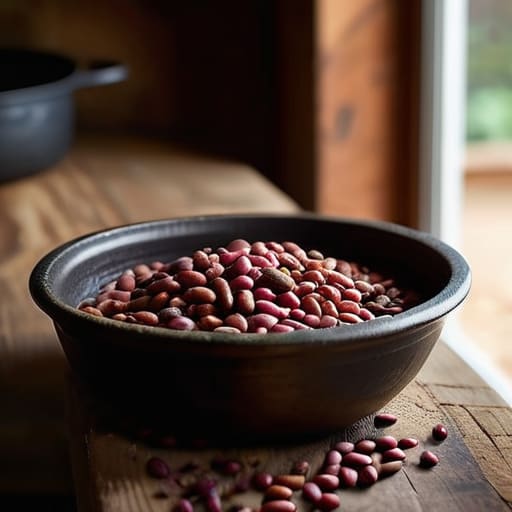
Once you’ve decided on your soaking strategy, it’s time to actually turn on the heat. When it comes to stovetop legume preparation, the biggest mistake I see is treating every bean like it’s the same. If you try to cook a kidney bean and a red lentil in the same pot at the same time, you’re going to end up with a very sad, mushy mess. You really need to keep a mental (or written!) note of the cooking times for different legumes; lentils are the sprinters, usually done in 15-20 minutes, while dried beans are the marathon runners that need an hour or more.
Don’t let the fear of “ruining” them keep you from the stove. If you’re worried about the digestive side of things, a little trick I swear by is adding a piece of kombu or a pinch of cumin to the pot—it’s a simple way of learning how to prevent gas from beans without needing a chemistry degree. Just keep the heat at a gentle simmer, keep an eye on your water levels, and remember: if they aren’t perfectly tender, they’re probably still edible. We’re aiming for delicious, not Michelin-star perfection.
Five Small Wins for Better Beans (and Less Stress)
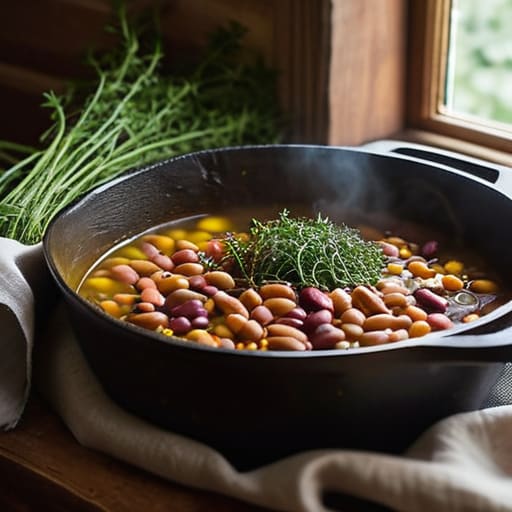
- Don’t be a perfectionist about the salt; just wait until the beans are actually tender before you go heavy on the seasoning, otherwise you might end up with a texture that’s more “tough nut” than “creamy.”
- Keep a dedicated “bean jar” in your pantry—a clear, airtight container so you can see exactly how much stock you have left at a glance, saving you that mid-recipe panic trip to the store.
- If you’re short on time, lean on your pressure cooker or Instant Pot; it’s basically a cheat code for getting dried beans done in a fraction of the time without losing that homemade feel.
- Use your cooking liquid as a resource—don’t just dump that flavorful, starchy bean water down the drain; use it as a base for a soup or a sauce to add instant depth to your next meal.
- Store your leftovers in small, single-serving glass containers right after they cool down, so when the “I’m too tired to cook” feeling hits on a Tuesday, you’ve already done the hard work.
The Real Goal of Meal Prep
“Stop treating your kitchen like a high-stakes culinary exam; the goal isn’t a perfectly uniform bean, it’s a reliable system that gets a nutritious meal on your plate without making you want to quit cooking altogether.”
Audrey Lin-McCallum
Getting Your Legume System Running
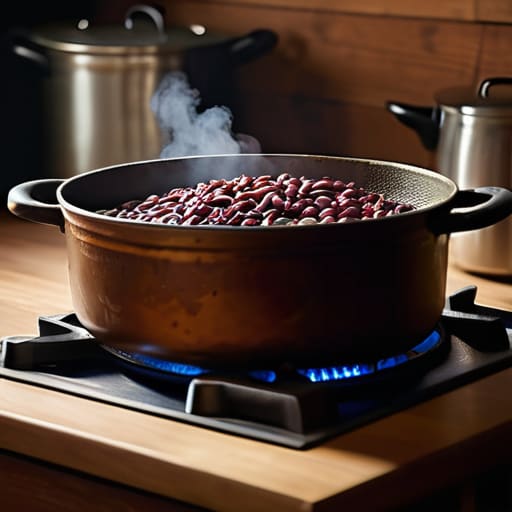
At the end of the day, cooking beans and lentils isn’t about following a rigid, culinary law; it’s about finding a workflow that actually fits into your Tuesday night. Whether you decide to commit to a long soak to save your digestion or you opt for the “no-soak” method because you honestly just forgot to prep them yesterday, both paths lead to a nutritious meal. Remember, the stovetop is your friend, and as long as you keep an eye on the heat and don’t obsess over the perfect texture right out of the gate, you’re going to be fine. You’ve got the tools, you’ve got the basic technique, and most importantly, you’ve got a functional system in place that doesn’t require a culinary degree to execute.
I know that staring at a bag of dried legumes can feel like just one more “adulting” task on an already overflowing to-do list. But once you get past the initial setup, these little powerhouses are some of the most reliable, budget-friendly staples you can have in your pantry. Don’t let the fear of a mushy batch or a burnt pot stop you from experimenting. Perfection is overrated, but consistency is where the magic happens. Just keep cooking, keep adjusting, and remember that even a slightly overcooked lentil soup is a massive win for your health and your schedule.
Frequently Asked Questions
Can I just use a slow cooker or an Instant Pot if I don't want to hover over the stove?
Absolutely. If the stovetop feels like too much mental load, lean into your tech. An Instant Pot is a total game-changer for beans—it cuts the time down significantly and eliminates that “did I add enough water?” anxiety. Slow cookers are great too, but just a heads-up: don’t skip the soak if you’re using a crockpot, or you might end up with a texture that’s more “mush” than “meal.” Use the tools you have.
How do I know when they're actually done without turning them into mush?
The “mush factor” is real, and I’ve definitely ruined a batch of chickpeas by overthinking it. My rule of thumb? Stop relying solely on the timer and start using your teeth. Once they feel tender, take one out, let it cool for a second, and bite. You’re looking for a creamy center without a chalky core. If they’re still resisting, give them five more minutes, but keep a close eye on them.
Is there a trick to keeping the skins from falling off while they cook?
Honestly, the “skin struggle” is real, and it’s usually a sign that things are getting a little too chaotic in the pot. If you want to keep them intact, the biggest trick is avoiding the “aggressive boil.” High heat makes them expand too fast and burst. Aim for a gentle simmer instead. Also, try not to stir them too much once they start softening; just let them do their thing in peace.