I used to spend hours scrolling through Pinterest, convinced that my guest room needed a velvet headboard, a curated tray of artisanal chocolates, and a color palette that screamed “boutique hotel.” But then my sister stayed over for a weekend, and within twenty minutes, she was struggling to find a place to plug in her phone and tripping over a stack of my half-finished DIY projects. That was my wake-up call: most guest room ideas you see online are designed for a photoshoot, not for an actual human being who needs a place to sleep and a spot to put their shoes.
I’m not here to help you stage a room that looks pretty in a thumbnail; I want to help you build a space that actually functions. In this post, we’re ditching the expensive fluff and focusing on the small, high-impact tweaks that make a real difference—think accessible lighting, smart storage for small spaces, and the kind of comfort that doesn’t require a massive budget. We are going to build a guest room that works for your real life and your real schedule, one manageable step at a time.
Table of Contents
Smart Guest Room Layout Tips for Actual Living
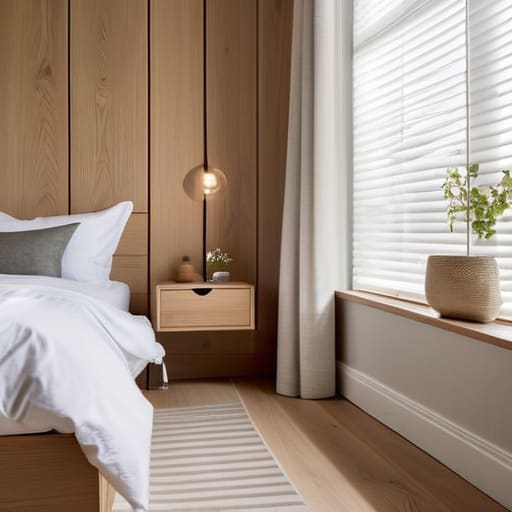
When you’re looking at a small spare room, the temptation is to cram in a queen-sized bed and call it a day. But unless your guests are professional sleepers who don’t mind feeling like they’re in a submarine, you need to prioritize flow. My best guest room layout tips usually involve checking the “path of travel” first. Can someone walk from the door to the window without stubbing a toe on a dresser? If the answer is no, move the furniture. I always try to leave enough floor space so the room feels breathable, rather than just a storage unit with a mattress in it.
Don’t get caught up in expensive small spare room decor; instead, focus on the functional zones. Even in a tiny space, try to designate a “landing strip”—a small surface where they can set down a phone, a glass of water, or a book. If you don’t have room for a nightstand, a sturdy floating shelf or even a small stool works perfectly. It’s about making a guest room cozy through utility, ensuring they don’t have to live out of a suitcase on the floor just because the layout is cramped.
Making a Guest Room Cozy Without the Clutter
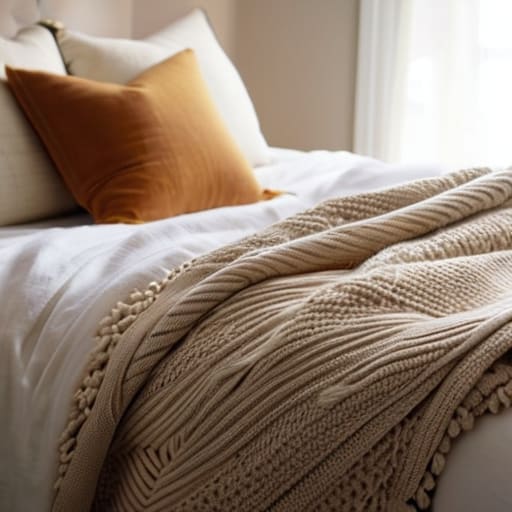
We’ve all seen those guest rooms that look like a showroom—sterile, perfectly staged, and slightly intimidating to actually sleep in. But here’s the thing: nobody wants to feel like they’re trespassing in a museum. When I’m making a guest room cozy, I focus on sensory comfort rather than visual perfection. Instead of buying a whole new set of matching furniture, try layering textures. A chunky knit throw at the foot of the bed or a soft rug can instantly warm up a space without adding permanent clutter.
The trick to keeping things functional is to curate a small, intentional selection of guest bedroom amenities that actually matter. Skip the massive decorative trays and instead, place a small carafe of water and a single lamp on the nightstand. If you’re working with small spare room decor, keep the surfaces clear. A single, high-quality candle or a small potted plant provides that “homey” feeling without making the room feel cramped. It’s about providing the essentials that make someone feel cared for, rather than filling every empty corner with “stuff.”
The "Low-Effort, High-Impact" Checklist for Your Guests
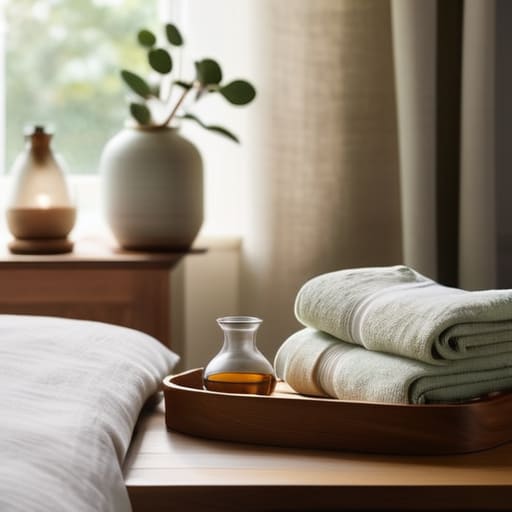
- Clear a dedicated surface for their stuff. You don’t need a fancy dresser; even a small tray on a nightstand or a cleared-off corner of a desk gives them a place to put their phone, glasses, and keys so they aren’t living out of a suitcase on the floor.
- Prioritize the “Power Situation.” There is nothing more frustrating than being a guest and having to hunt for an outlet behind a heavy bedframe. If you can’t move the furniture, just grab a decent, long power strip and tuck it near the bed. It’s a small move that makes you look like a total pro.
- Don’t overthink the linens. You don’t need a 1,000-thread-count Egyptian cotton set to make someone feel welcome. Just ensure the sheets are clean, the pillows aren’t lumpy, and there’s one extra blanket within arm’s reach for when the temperature drops at 3 AM.
- Create a “Cheat Sheet” for the house. Instead of explaining how the tricky shower handle works or what the Wi-Fi password is every single time someone visits, just jot it down in your notebook or leave a quick note on the desk. It saves everyone the awkwardness of asking.
- Keep the “Visual Noise” low. If your guest room doubles as your office or your craft room, try to tuck your active projects into a bin or a closet before they arrive. They don’t need a pristine room, but they do need a space where they don’t feel like they’re intruding on your unfinished to-do list.
The Guest Room Reality Check
“Your guest room shouldn’t feel like a museum where people are afraid to touch anything; it should feel like a place where they can actually unpack their bag, plug in their phone, and feel like they aren’t an inconvenience.”
Audrey Lin-McCallum
Stop Aiming for Perfection
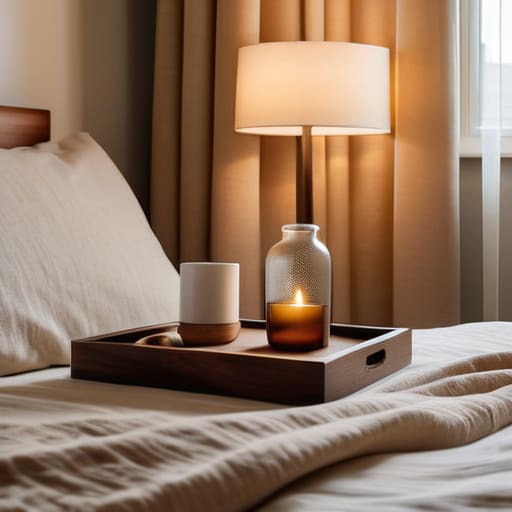
At the end of the day, a guest room doesn’t need to be a showroom-ready masterpiece to be successful. We’ve talked about everything from prioritizing a smart, functional layout to layering in coziness without letting the clutter take over your life. If you can manage to provide a clear surface for their phone, a decent lamp, and a spot for them to hang their coat, you’ve already won half the battle. Remember, the goal isn’t to create a curated Pinterest aesthetic; it’s to build a space that says, “I’m glad you’re here, and I actually thought about your comfort.”
I know how easy it is to look at a spare room and feel a sense of overwhelm—especially when you’re already juggling a million other things. But please, give yourself some grace. You don’t have to overhaul the entire floor plan by next weekend. Start with one small, manageable improvement and see how it feels. Life is messy, and our homes are going to reflect that, and honestly? That’s okay. We aren’t building museums; we are building homes that work for us and the people we love. So, grab your notebook, pick one small task, and just start there.
Frequently Asked Questions
I have a tiny spare room that's basically a walk-in closet; can I actually make it feel like a guest room without it being claustrophobic?
Honestly, I’ve lived in spaces that felt more like closets, so I totally get the claustrophobia. First, ditch the traditional bed—it’ll swallow the room whole. Go for a high-quality daybed or a sleek futon that doubles as seating. Use vertical space for storage so the floor stays clear, and maybe swap a heavy floor lamp for some wall-mounted sconces. It’s about creating a “nook” vibe rather than a “cramped” vibe.
What are some low-effort, budget-friendly ways to make a room feel "hosted" without spending a weekend deep-cleaning every single corner?
Honestly, don’t stress about the baseboards. If you want people to feel welcome without losing your entire Saturday to a scrub brush, focus on the “touchpoints.” Clear a little space on the nightstand, toss a clean towel on the bed, and make sure there’s a power strip or an extra long charging cable within reach. Throwing a single candle or a small carafe of water on the table makes it feel intentional, not perfect.
How do I balance making the room functional for guests while still using it as my own workspace or storage area during the week?
This is the million-dollar question, especially when you’re living in a space where every square foot has to pull double duty. My rule of thumb? Use “zoning” rather than permanent changes. If it’s your workspace, get a desk that can be tucked away or a rolling cart for your supplies. When guests arrive, the cart goes in the closet, and the desk becomes their vanity. It’s about creating a “reset” ritual so the room feels like theirs, not just your office with a spare pillow.