I used to think that “making a salad interesting” required a trip to a high-end organic market and a grocery list full of things like microgreens, heirloom radishes, and expensive goat cheese. I’d spend twenty minutes prepping a bowl of expensive leaves only to realize I was still just eating expensive, wet grass that left me hungry twenty minutes later. It’s a total myth that you need a curated, Pinterest-perfect aesthetic to enjoy a decent meal; honestly, most of those “gourmet” salad recipes are just a recipe for more dishes and a lot of wasted money.
I’m not here to teach you how to plate a masterpiece for your Instagram feed. Instead, I want to show you how to make salad interesting using the stuff you actually have in your pantry right now. We’re going to talk about building real texture, finding the right crunch, and creating flavor profiles that actually keep you full during a busy workday. No fluff, no unnecessary shopping trips—just practical, modular systems to help you build a lunch that actually feels worth the effort.
Table of Contents
Flavor Balancing in Salads for Real Busy People
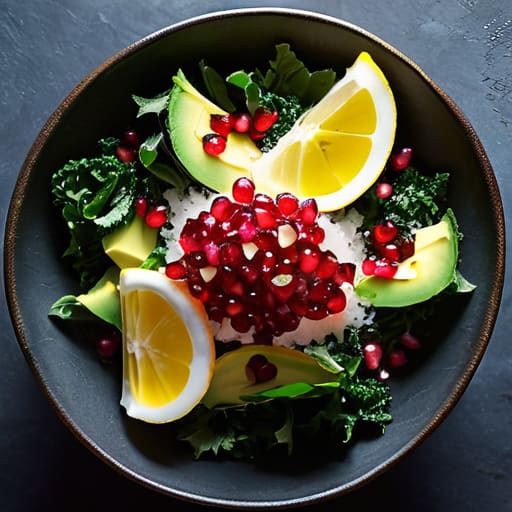
Look, we’ve all been there: staring into a bowl of wilted spinach and wondering why we even bother. The problem usually isn’t the greens; it’s that your palate is bored. Mastering flavor balancing in salads doesn’t require a culinary degree or a trip to a specialty market. It’s really just a simple game of tug-of-war between salt, acid, fat, and heat. If your bowl tastes flat, you probably forgot the acid. A quick squeeze of lemon or a splash of apple cider vinegar acts like a light switch for your taste buds, pulling everything else out of the shadows.
Since I’m usually juggling three different freelance deadlines, I don’t have time for complex recipes. Instead, I rely on a few reliable salad dressing combinations that I keep in the fridge. A basic vinaigrette is fine, but if you want to actually feel satisfied, you need to think about protein additions for salads to keep you full until dinner. Throwing in some leftover roasted chicken, a handful of chickpeas, or even a hard-boiled egg turns a side dish into a legitimate meal that won’t leave you hunting for snacks twenty minutes later.
The Low Effort Magic of Better Salad Dressing Combinations
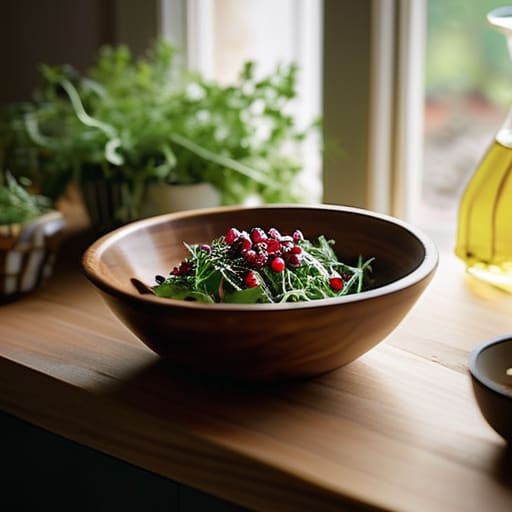
Look, if you’re still reaching for that bottled, sugary ranch every single time, we need to talk. I used to do the same thing because, frankly, I didn’t have the mental bandwidth for a culinary masterpiece at 12:30 PM. But the secret to actually enjoying your lunch is mastering a few reliable salad dressing combinations that take thirty seconds to whip up. Keep a decent olive oil, some balsamic or apple cider vinegar, and a jar of Dijon mustard in your fridge. A quick whisk of oil, acid, and mustard creates a base that makes even the most basic greens feel intentional rather than accidental.
If you want to level up without the stress, think about adding texture to salads through your toppings. A handful of toasted sunflower seeds or some crumbled feta can transform a boring bowl into something that feels substantial. If you’re feeling particularly hungry, don’t skip the protein additions for salads like a tin of chickpeas or some leftover grilled chicken. It’s not about being a gourmet chef; it’s about building a quick assembly line that keeps you from crashing by 3:00 PM.
Five Ways to Stop Treating Your Salad Like a Chore
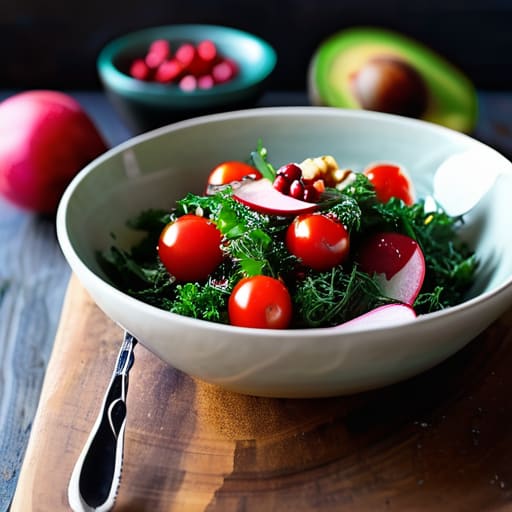
- Lean into the crunch. If your salad is just a pile of wet leaves, you’re going to hate it by the third bite. Throw in some toasted sunflower seeds, those leftover croutons from a fancy takeout order, or even just some crushed up pita chips. You need that textural contrast to keep your brain from checking out.
- Don’t fear the “weird” fruit. I know, I know—fruit in a salad sounds like something from a misguided wellness retreat, but a few slices of crisp apple or some pomegranate seeds can totally rescue a dish that tastes too much like grass. It’s about that hit of sweetness cutting through the vinaigrette.
- Use the “Pantry Protein” rule. A salad isn’t a meal if it’s just vegetables; it’s just a side dish. Keep a can of chickpeas, some feta, or even a hard-boiled egg in the fridge at all times. Adding a heavy hitter makes it feel like actual food rather than something you’re eating because you feel guilty.
- Temperature play is your friend. If you have some leftover roasted sweet potatoes or even some warm quinoa from dinner last night, toss them in. The mix of cold greens and warm ingredients makes the whole thing feel intentional and way more satisfying than a bowl of ice-cold lettuce.
- Season your greens, not just the dressing. This is the one everyone skips. Before you pour on the oil and vinegar, hit your veggies with a tiny pinch of salt and some cracked black pepper. It wakes up the actual flavors of the produce so the dressing doesn’t have to do all the heavy lifting.
The Secret to Not Hating Your Lunch
“A salad shouldn’t feel like a punishment you’re inflicting on yourself; it’s just a bowl of whatever is in your fridge, and if you add a handful of crunchy nuts or a decent vinaigrette, it suddenly becomes a meal instead of a chore.”
Audrey Lin-McCallum
Stop Settling for Sad Salads
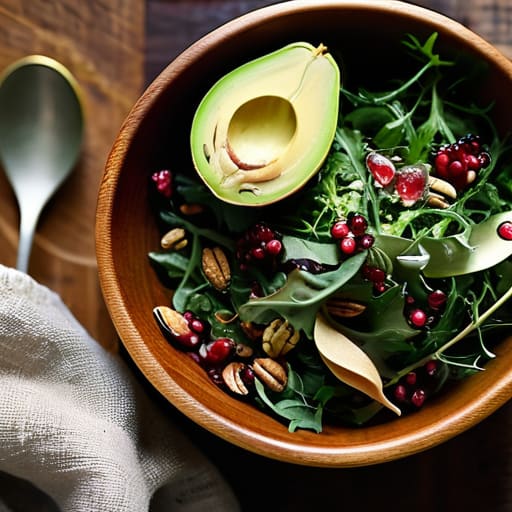
At the end of the day, making a salad actually taste good isn’t about following some complicated culinary blueprint or buying twenty expensive superfoods. It’s really just about intentionality. We’ve talked about how a little bit of acid and fat can fix a boring dressing, how a handful of toasted seeds adds that much-needed crunch, and how balancing your flavors prevents that mid-lunch slump. You don’t need a gourmet kitchen or an hour of prep time to do this; you just need to stop treating your greens like an afterthought and start treating them like a real meal that deserves some actual effort.
I know how it goes—sometimes you’re so exhausted by 6:00 PM that you just want to shovel something into your face so you can sit on the couch. But I promise you, taking those extra thirty seconds to grab the feta or crack some pepper makes a massive difference in how you feel afterward. We aren’t aiming for a Pinterest-perfect bowl here; we are just aiming for something that doesn’t make us feel like we’re punishing ourselves for eating healthy. So, grab your bowl, throw in whatever is in the pantry, and make it work for you.
Frequently Asked Questions
I have a bunch of random leftovers in the fridge—can I just throw them in, or will the texture get weird?
Look, the short answer is yes, but let’s be smart about it. If you toss in soggy, lukewarm pasta or mushy cooked veggies, you’re just making a sad pile of mush. I usually save the “leftover toss” for things with some structural integrity—think roasted sweet potatoes, cold quinoa, or even leftover grilled chicken. If it’s a bit limp, hit it with something crunchy like seeds or toasted nuts to save the texture.
How do I stop my salad from turning into a soggy mess by the time I actually sit down to eat it?
The “soggy mess” struggle is real, especially when you’re prepping lunch ahead of time. My golden rule? Layering. If you’re using a jar or container, put the dressing at the very bottom, followed by the heavy stuff like cucumbers or chickpeas, and keep the greens at the very top. If you’re eating out of a bowl, just keep the dressing in a separate tiny container until the literal second you’re ready to eat. Don’t commit early.
Are there any "shortcut" ingredients I can keep in the pantry so I'm not chopping fresh stuff every single time?
Honestly, if I had to chop fresh veggies for every single meal, I’d just stop eating salads altogether. To keep things moving, I lean heavily on my “pantry toolkit.” Keep jars of pickled red onions, kalamata olives, or even those little tins of roasted chickpeas on hand. They add instant texture and a massive flavor punch without a single knife stroke. Dried herbs and toasted seeds are your best friends here, too.