I used to think that “DIY decor” meant spending my entire Saturday covered in glitter and glue, only to end up with something that looked more like a middle school art project than a cohesive home. It’s exhausting trying to keep up with those perfectly curated, Pinterest-perfect spaces when you’re actually just trying to make your apartment functional. Lately, I’ve been leaning into materials that are a bit more rugged and forgiving. I’ve discovered that exploring different concrete craft ideas is actually the ultimate hack for anyone living in a small space; it’s cheap, incredibly durable, and it doesn’t demand perfection to look intentional.
In this post, I’m breaking down five specific projects that I’ve actually tested in my own tiny living room. We aren’t going for museum-quality sculptures here; instead, I’m sharing ways to use concrete to create useful, everyday items—from organizers that actually hold your tech to planters that won’t break if you bump them. By the end of this, you’ll have a handful of low-stress ways to add some structural character to your home without needing a professional workshop or a massive budget.
Table of Contents
Minimalist Planter Trays
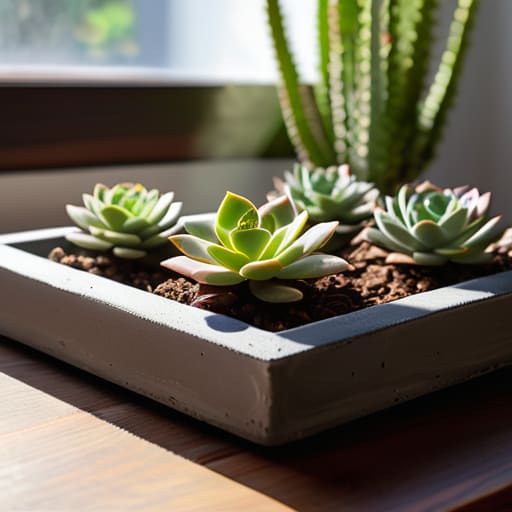
If you’re like me, you probably have a collection of small succulents that are currently scattered across your windowsill like tiny, green chaos. I love making these little concrete trays because they provide a contained landing spot for your plants, preventing that annoying ring of dirt from staining your wooden furniture. You don’t need fancy molds; a simple recycled yogurt container or a small plastic food tub works perfectly to get the shape you want.
Desktop Catch-Alls
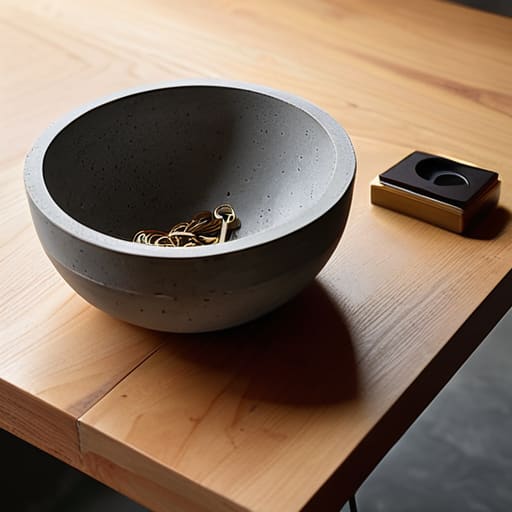
My desk used to be a graveyard for loose paperclips, charging cables, and those tiny screws I always seem to find when I’m trying to fix something. I started casting small, heavy concrete bowls to act as designated landing zones for my daily clutter. Because concrete is naturally heavy, these little dishes won’t slide around when you’re frantically searching for your keys or a pen, which is a small but massive win for my morning productivity.
Brutalist Candle Holders
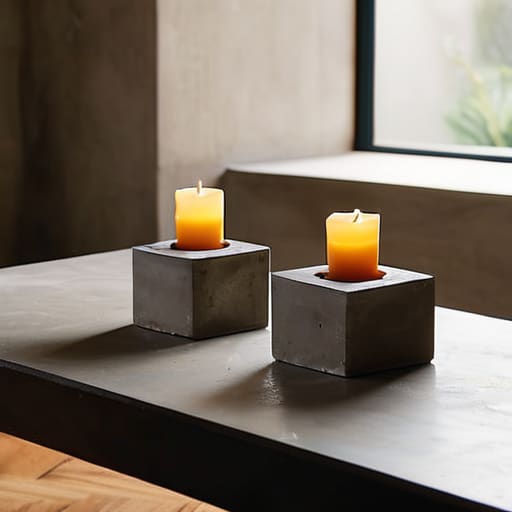
There’s something incredibly calming about the weight of a concrete candle holder, especially when you’re trying to wind down after a long day of project coordinating. I like to make these using simple geometric shapes, like small cylinders or squares, to create a bit of a structured look on my coffee table. It’s a great way to add some visual weight to a room without cluttering it up with too many delicate, breakable trinkets.
Elevated Coasters
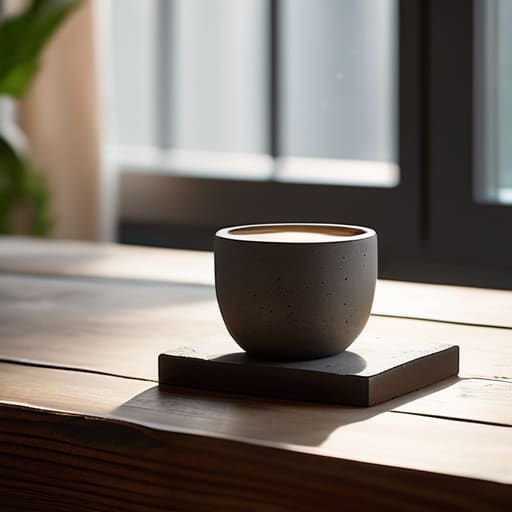
Let’s be real: most coasters are either too flimsy to actually hold a drink or too expensive to care about if they get stained. Making your own concrete coasters is a total game-changer for anyone living in a smaller space where every surface counts. I use these to protect my thrifted side tables from my morning coffee, and they feel sturdy and intentional rather than like an afterthought.
Weighted Bookends
If you have a bookshelf that’s struggling to stay upright because of a collection of heavy cookbooks or vintage finds, concrete bookends are your best friend. I made mine using old juice cartons as molds, which is a great way to upcycle something that was headed for the bin anyway. Because concrete is so dense, you don’t need to make them huge to get the job done; a small, solid block is often more than enough.
The Philosophy of the Pour
“Don’t get hung up on getting a perfectly smooth finish or a flawless edge; the goal isn’t to make something that looks like it belongs in a gallery, it’s to make something that’s sturdy enough to hold your coffee and actually fits the chaos of your real life.”
Audrey Lin-McCallum
Making It Your Own
At the end of the day, whether you’re casting a simple desk organizer to tame your workspace clutter or pouring a heavy-duty planter for your balcony herbs, the goal isn’t to create a showroom-perfect masterpiece. It’s about taking a raw, somewhat messy material and turning it into something that actually serves a purpose in your daily routine. From those minimalist coasters to the more ambitious sculptural pieces, these projects prove that you don’t need a massive budget or a professional studio to upgrade your environment. You just need a little bit of grit, a few molds, and the willingness to embrace a few air bubbles along the way.
If your first batch comes out looking a little more “brutalist” than you originally intended, don’t sweat it. That’s the beauty of working with something as unpretentious as concrete; it’s supposed to be a bit rugged. I’ve learned through my own DIY mishaps that the most satisfying pieces are usually the ones that feel a little lived-in. Stop worrying about the perfect finish and just focus on building a home that works for you. Grab your multi-tool, clear off a small corner of your table, and just start pouring. You’ve got this.
Frequently Asked Questions
Do I really need to seal these items if I'm just using them for indoor decor, or will they eventually start crumbling or staining my surfaces?
Honestly, if you’re just displaying a concrete bowl on a shelf, you can skip the sealer. But if it’s sitting on your wooden coffee table or holding a succulent, please, seal it. Raw concrete is porous; it’ll soak up moisture or oils and leave a permanent ring on your furniture. I’d rather spend ten minutes sealing a piece now than spend an hour trying to scrub a stain out of my tabletop later.
How do I stop the concrete from cracking while it's drying, especially if I'm working in a smaller apartment with inconsistent temperatures?
The biggest mistake I see is letting it dry too fast. In a small apartment, your heater or a drafty window can wreak havoc. To stop those hairline cracks, you need to control the moisture. Once it’s set enough to touch, cover it with a bit of plastic wrap to trap the humidity. If you’re feeling extra careful, mist it lightly with water a few times a day. Slow and steady wins the race.
Is there a way to make these projects less heavy and bulky so they don't take up too much room on my limited shelf space?
I totally hear you—one of the biggest headaches with concrete is that it can feel like you’re decorating with actual bricks. If shelf real estate is tight, try using a “hollow core” method. Instead of a solid pour, use a smaller container inside your mold to create a cavity. You’ll get the same rugged look but with half the weight and a much smaller footprint. It’s a total game-changer for small apartments.