I used to think that learning how to cook fish meant I needed a degree in marine biology and a kitchen full of specialized gadgets I’d never actually use. Every recipe I stumbled upon felt like an interrogation: Is the fillet wild-caught? Is the pan preheated to exactly 375 degrees? Do you have a sous-vide machine ready? Honestly, it felt less like making dinner and more like a high-stakes chemistry exam. I spent years avoiding the seafood aisle entirely because I was convinced that one wrong move would leave me with a rubbery, overpriced mess that smelled like a pier at low tide.
But here’s the thing: you don’t need a curated, professional kitchen to make something that actually tastes good. I’m not here to sell you on expensive equipment or complicated techniques that take forty minutes of prep for a five-minute meal. Instead, I’m going to show you the functional reality of how to cook fish using basic tools and zero pretension. We’re focusing on simple, reliable methods that prioritize flavor and efficiency, so you can get a decent meal on the table and get back to your life.
Table of Contents
The Best Types of Fish for Beginners
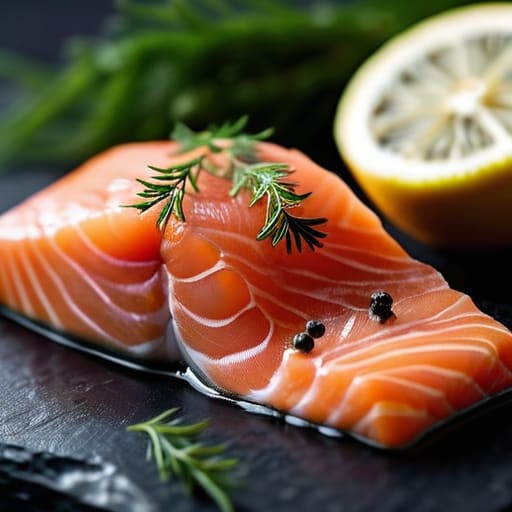
Look, I get it. Walking into the seafood aisle can feel like a high-stakes exam you didn’t study for. You see all these different textures and names, and suddenly you’re worried about making something inedible. If you’re just starting out, my advice is to stick to the “forgiving” crowd. Salmon is basically the gold standard for types of fish for beginners because it’s fatty and sturdy; it doesn’t turn into mush the second you look at it wrong. Tilapia or cod are also great options if you want something lighter and much more budget-friendly for a weeknight meal.
The real trick is choosing something that won’t fall apart while you’re trying to master your searing fish techniques. I usually aim for fillets that are at least an inch thick. If you go too thin, you’ll be fighting a losing battle with the heat. Once you have your fish, don’t stress about fancy spices—just grab some lemon, salt, and maybe a bit of garlic powder. It’s all about building a system that works for your kitchen, not a five-star restaurant menu.
Simple Fish Seasoning Ideas That Actually Work
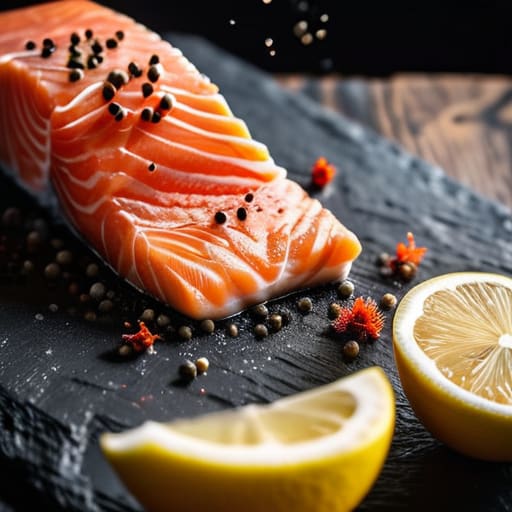
Look, we aren’t trying to win a Michelin star here; we’re just trying to make dinner taste like something other than cardboard. If you’re feeling paralyzed by a spice rack full of things you can’t pronounce, just stick to the basics. My go-to fish seasoning ideas usually involve a heavy hand of kosher salt, cracked black pepper, and a squeeze of fresh lemon right before serving. If you want to level up without the stress, try a simple rub of smoked paprika and garlic powder. It gives you that lovely color and a bit of depth without requiring a culinary degree.
The real secret, though, isn’t just the spices—it’s how you handle the fat. If you’re using a bit of olive oil or even a knob of butter, it helps significantly with preventing fish from sticking to the pan, which is usually where most people lose their cool. I always say: don’t be afraid of the seasoning. A little dried oregano or even some fresh dill can transform a boring fillet into something that actually feels like a real meal, rather than a chore you’re just checking off your list.
Five Ways to Stop Fearing the Pan
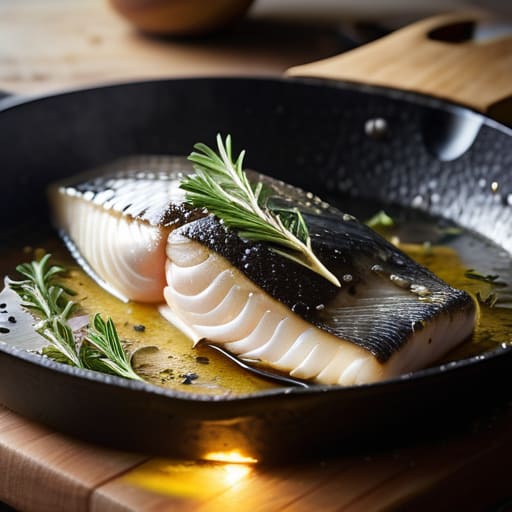
- Pat that fish dry. I know, it sounds basic, but if you throw a damp fillet into a hot pan, you aren’t searing it; you’re essentially steaming it in its own juices. Grab a paper towel and get it bone-dry so you actually get that crispy skin we’re all after.
- Stop guessing if it’s done. You don’t need a culinary degree or a fancy thermometer if you don’t want one, but a simple fork test is your best friend. If the flesh flakes easily and looks opaque all the way through, it’s ready. Don’t overthink it.
- Don’t crowd the pan. If you’re trying to cook four fillets in a small skillet, you’re going to end up with a soggy mess. Give the fish some breathing room so the heat can circulate properly. If you have a lot to cook, just do it in batches.
- Use a little more oil than you think you need. Especially with skin-on fish, you need a decent layer of fat to prevent sticking. I usually go with a neutral oil like avocado or grapeseed—something that can handle the heat without smoking me out of my own kitchen.
- Let it rest (just for a second). Once you pull the pan off the heat, give the fish a minute before you start plating. It helps the juices settle so the whole thing doesn’t fall apart the second you try to move it to your plate.
My Philosophy on the Pan
“Look, you don’t need a culinary degree or a kitchen full of expensive gadgets to make decent fish; you just need a hot pan, a bit of seasoning, and the confidence to stop overthinking it so you can actually enjoy your dinner.”
Audrey Lin-McCallum
Stop Overthinking the Pan
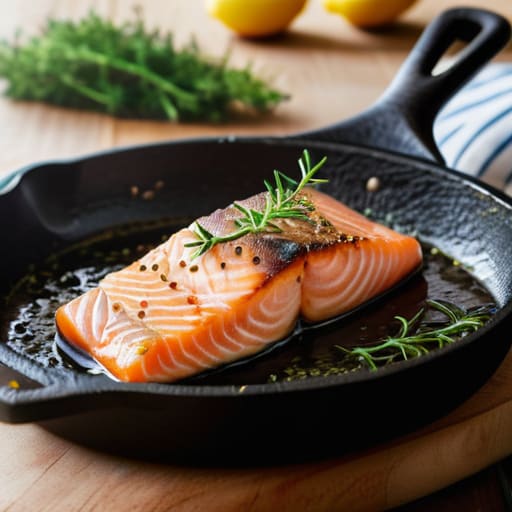
Look, if you’ve made it this far, you already have the tools to pull this off. Just remember: start with forgiving fish like salmon or cod, don’t go overboard with the spice rack, and keep your seasoning simple and effective. You don’t need a pantry full of exotic ingredients to make something that tastes great; a little salt, some lemon, and a hot pan are usually enough to get the job done. The goal isn’t to win a Michelin star; it’s about getting a nutritious, delicious meal on the table without spending your entire evening scrubbing burnt bits off a gourmet skillet.
At the end of the day, the biggest hurdle to cooking fish isn’t your technique—it’s the mental hurdle of thinking it’s “too difficult” or “too fancy” for a Tuesday night. It isn’t. Every time you try, you’re just building a little more confidence and a better system for yourself. So, grab that piece of fish, turn up the heat, and just dive in. Even if you overcook it slightly or the skin sticks a little, you’ve still succeeded because you made something from scratch. That’s a win in my book, and it’s exactly how we make adulthood feel a little more manageable.
Frequently Asked Questions
How do I actually tell if the fish is done without having a professional thermometer on hand?
Look, I don’t have the space (or the patience) for a kitchen full of gadgets I’ll only use once. If you don’t have a thermometer, just use a fork. Gently press down on the thickest part; if the flesh flakes apart easily, you’re golden. You can also look for the color change—it should turn from translucent to opaque. If it looks a little tight or rubbery, pull it off the heat immediately.
Is it okay to use frozen fillets, or am I going to end up with a soggy mess?
Look, let’s be real: most of us aren’t hitting the fishmonger every single morning. Frozen fillets are a total lifesaver, but you’re right to worry about the sogginess. The secret is all in the thaw. Never cook them straight from the freezer, and definitely don’t let them sit in a puddle of water on the counter. Pat them bone-dry with paper towels before they hit the pan. Dry fish equals crispy skin.
How do I clean up that lingering fish smell in my kitchen without scrubbing for an hour?
Look, I get it. You just want to enjoy your dinner, not have your entire apartment smell like a pier for the next three days. Skip the heavy-duty scrubbing for a second and just boil a small pot of water with some sliced lemons or a splash of vinegar. Let it simmer on the stove for a few minutes; it works like a charm to neutralize the air. Then, just wipe your surfaces with warm soapy water and call it a win.