I spent my childhood in a third-floor walk-up where the “dining area” was actually just a corner of the living room, and let me tell you, I learned early on that most of the advice you see online is total nonsense. If you’ve ever scrolled through social media and felt like you needed a $500 custom acrylic drawer system just to make your life feel manageable, I get it. We’ve been sold this idea that small space organization has to look like a sterile, white-on-white showroom, but let’s be real: if you can’t actually find your keys or reach your coffee beans without a choreographed dance routine, the system is broken.
I’m not here to help you curate an aesthetic that looks good in a photo but fails the moment you actually live in it. Instead, I want to share the gritty, functional methods I’ve used to make my own tiny corners work for me. We’re going to focus on building low-maintenance systems that prioritize your actual daily flow over Pinterest perfection. This isn’t about buying more stuff; it’s about making your space work for you, one manageable step at a time.
Table of Contents
Forget the Aesthetic Practical Decluttering Tiny Homes Strategies
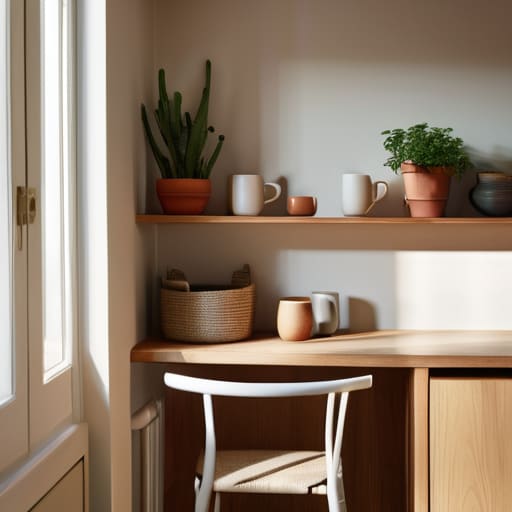
Look, we’ve all been there: scrolling through Instagram at 11 PM, feeling personally attacked by a photo of a pristine, white-on-white studio that looks like nobody has ever actually eaten a piece of toast in it. But here’s the reality check—if your “minimalist” setup requires you to live like a monk just to keep the floor visible, it’s not a system; it’s a chore. Real decluttering tiny homes isn’t about owning nothing; it’s about making sure the things you do own actually have a designated home that doesn’t involve a pile on the dining table.
Instead of trying to achieve a curated look, I focus on utility. I’m a huge advocate for vertical storage solutions because, in a small footprint, your walls are your best friends. If you aren’t using the space between your bookshelf and the ceiling, you’re essentially throwing square footage out the window. Don’t worry about whether a bin is aesthetic; worry about whether it actually holds your seasonal gear. If it keeps the chaos contained, it’s a win in my book.
Vertical Storage Solutions That Actually Fit Your Daily Chaos
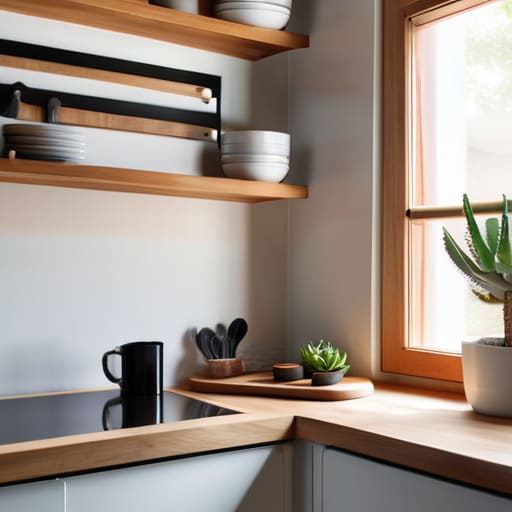
If you’re like me, you probably spent a good chunk of your early twenties staring at a pile of stuff on the floor, wondering where it all went wrong. The secret isn’t finding a bigger place; it’s realizing that your walls are actually massive amounts of unused real estate. Instead of letting everything migrate toward the floor, we need to start looking up. I’m a huge advocate for vertical storage solutions that don’t require a degree in carpentry to install. Think floating shelves above your desk or even those heavy-duty pegboards in the kitchen. It’s not about making a museum display; it’s about getting your coffee mugs and charging cables off the precious two inches of counter space you actually need to make a sandwich.
When it comes to the bedroom, don’t just shove things into a dark corner and hope for the best. I’ve found that the most effective closet organization hacks involve using the space above the hanging rod for seasonal items. If you can’t go up, go under. Utilizing slim, stackable bins for under-bed storage is a total game-changer for keeping those extra linens from becoming a permanent mountain in the corner of your room.
Five Real-World Hacks for When Your Apartment Feels Like It's Closing In
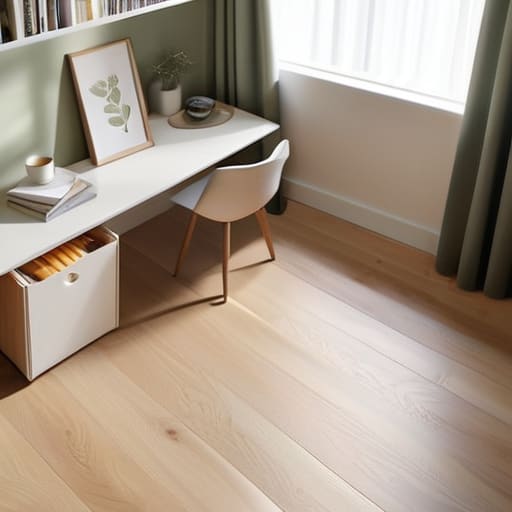
- Stop buying “decorative” bins and start using what you actually have. I’ve learned the hard way that a $20 wicker basket looks great until you realize it’s too shallow for your actual stuff. Grab some sturdy, stackable clear bins or even repurposed containers from your pantry; if you can see what’s inside, you won’t end up buying a second version of that same screwdriver because you couldn’t find the first one.
- Master the “One-In, One-Out” rule to prevent the slow creep of clutter. Since I live in a space where every square inch is a premium, I have a strict policy: if a new piece of tech or a new sweater comes through the door, something else has to be donated or tossed. It’s not about being minimal for the sake of it; it’s about maintaining a manageable equilibrium.
- Use the “Dead Space” that everyone else ignores. Look under your bed, the gap between your fridge and the wall, or even that awkward corner above your door frame. I recently installed some slim rolling bins under my bed for out-of-season clothes, and it felt like I’d suddenly gained an extra closet without paying a cent more in rent.
- Zone your surfaces so they don’t become “doom piles.” We all have that one chair or corner where mail, keys, and random cords go to die. Designate a specific “landing strip” near your door—a small tray or a single hook—and commit to it. If everything has a designated home, you spend less time hunting for your keys and more time actually enjoying your morning coffee.
- Invest in multi-functional furniture that earns its keep. If a piece of furniture only does one thing, it’s probably taking up too much room. I’m a huge advocate for ottomans with hidden storage or desks that can fold up against the wall. If a piece of furniture isn’t solving at least two problems (like seating and storage), it’s a luxury your square footage can’t afford.
## The Real Goal of Organizing
“We need to stop trying to curate a showroom and start building systems that actually survive a Tuesday morning. If your organization strategy requires you to live like a minimalist monk just to find your keys, it’s not a system—it’s a chore.”
Audrey Lin-McCallum
Getting Real About Your Space
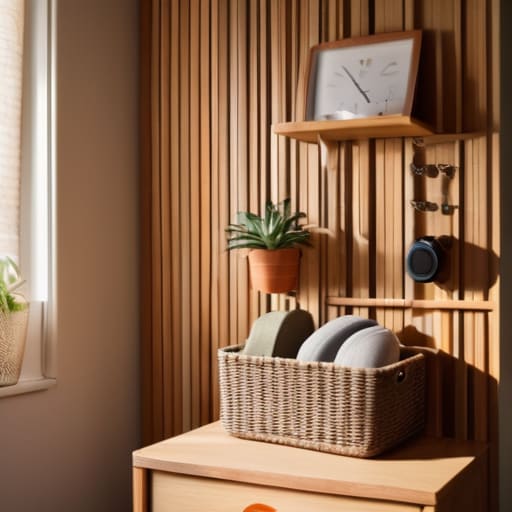
At the end of the day, organizing a small space isn’t about achieving some museum-quality level of tidiness that requires a professional cleaning crew every Tuesday. It’s about the heavy lifting we’ve already talked about: decluttering with intention, reclaiming your walls through vertical storage, and—most importantly—building systems that actually account for your real-world mess. If your storage solution only works when you’re feeling hyper-organized and motivated, it’s not a solution; it’s a chore. We want setups that work even when you’re tired, running late, or just trying to find your keys in the dark. Remember, the goal is functional flow, not a static photo op.
I know it can feel incredibly overwhelming when you look at a pile of stuff and a tiny floor plan, but please try to be kind to yourself. You don’t have to overhaul your entire apartment in a single weekend. Start with one drawer, one shelf, or even just one corner of your desk. Small, incremental wins are what actually stick and prevent that inevitable burnout. We aren’t trying to curate a lifestyle; we are just trying to make room to breathe. You’ve got this, and honestly, your future, less-stressed self is already thanking you.
Frequently Asked Questions
I have a lot of "sentimental clutter"—how do I decide what actually deserves space without feeling guilty?
The guilt is real, I know. I used to treat every concert ticket like a holy relic. Here’s my rule: if an object is just a placeholder for a memory, it doesn’t need to take up physical square footage. Take a photo of it instead. If you can’t part with it, give it a “home”—a specific, small box. If the box overflows, something has to go. We’re keeping the sentiment, not the dust.
What are some low-cost or DIY ways to add storage if I'm renting and can't drill holes into the walls?
Since I can’t exactly start drilling into my landlord’s walls, I’ve become a bit of a pro at the “no-damage” workaround. Command hooks are your best friend for everything from kitchen utensils to lightweight decor. I also swear by tension rods—they’re life-changers for creating instant closet dividers or hanging curtains without a single screw. If you have floor space, grab some stackable crates; they add massive storage and look intentional, not just cluttered.
How do I keep my organization systems from becoming just another overwhelming chore on my to-do list?
The secret is to stop building “projects” and start building habits. If your organization system requires a three-hour deep dive every Sunday, you’re going to quit by week three. Instead, aim for the “one-minute rule”: if a task takes sixty seconds—like hanging up your coat or putting the mail in a tray—do it immediately. Build systems that take less effort to maintain than they did to set up. Keep it low-stakes.