I spent three hours last Saturday staring at a mountain of mismatched hangers and “maybe one day” sweaters, feeling that familiar, sinking sensation of being completely overwhelmed by my own belongings. We’ve all seen those viral videos where someone turns a chaotic walk-in into a boutique-style showroom using expensive acrylic dividers and custom shelving, but let’s be real: most of us are just trying to find a clean pair of black slacks before a 9:00 AM Zoom call. If you’re looking for a way to learn how to organize a closet that looks like a staged set for a home decor magazine, you’re probably in the wrong place.
I’m not here to sell you on a lifestyle you can’t maintain; I’m here to help you build a system that actually survives your Monday morning rush. We are going to skip the aesthetic fluff and focus on functional, low-maintenance setups that prioritize your actual habits over Pinterest perfection. My goal is to give you a realistic roadmap to reclaim your space using what you already have, ensuring your closet works for you instead of becoming another chore on your endless to-do list.
Table of Contents
Real World Closet Decluttering Tips for Busy Schedules
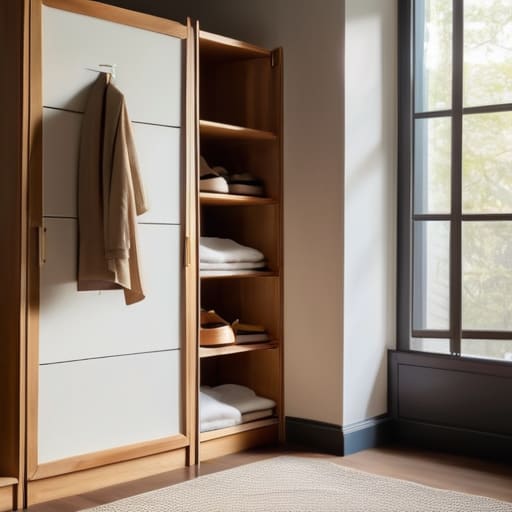
Look, I get it. The idea of a “closet purge” usually conjures up images of you sitting on the floor for six hours, surrounded by piles of regret, while your laundry mountain grows in the corner. We don’t have time for that. Instead of trying to tackle everything in one go, try the “one-category-a-day” approach. On Monday, just do your shoes. On Tuesday, tackle the hanging items. It keeps the overwhelm at bay and actually fits into a lunch break or a quiet evening after work.
When you’re working with limited square footage, you have to stop thinking about floor space and start looking up. I’m a huge advocate for maximizing vertical closet space because that’s where all the “forgotten” real estate lives. Use those high shelves for things you don’t touch every day, and grab some sturdy bins for your seasonal clothing storage ideas. If you can’t see it, you won’t wear it, so use clear containers or even just label them with a piece of masking tape. It’s not about being fancy; it’s about making sure you can actually find your favorite sweater when the temperature drops.
Best Closet Storage Solutions for Function Over Form
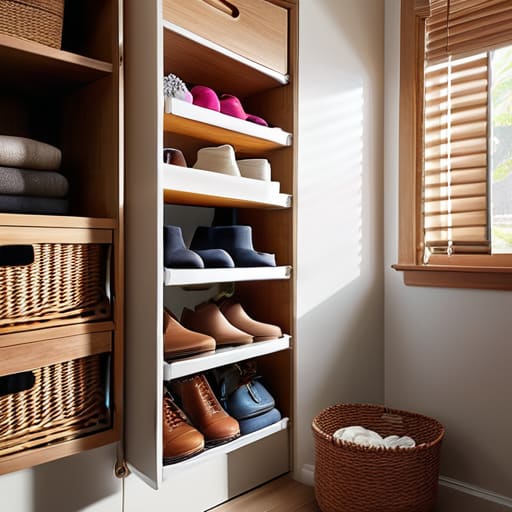
Once you’ve actually cleared the floor of that mountain of “maybe one day” clothes, it’s time to talk gear. And please, let’s skip the expensive, custom-built modular systems that require a contractor and a second mortgage. When I’m looking for the best closet storage solutions, I’m looking for things that solve a specific problem, like “I can never find my socks” or “my shoes are a literal pile on the floor.”
If you’re working with limited square footage, you have to start looking up. Most people ignore the top six inches of their closet, but that is prime real estate for maximizing vertical closet space. I’m a huge fan of stacking clear bins on high shelves for things you only need once a year—think heavy sweaters or your summer gear. For the stuff you actually wear daily, invest in sturdy, slim velvet hangers. They save a massive amount of room and prevent that annoying “sliding off the rod” situation that happens with cheap plastic ones. It’s not about making it look like a boutique; it’s about making sure you can actually see what you own before you head out the door.
Five Tiny Tweaks to Stop the Morning Chaos
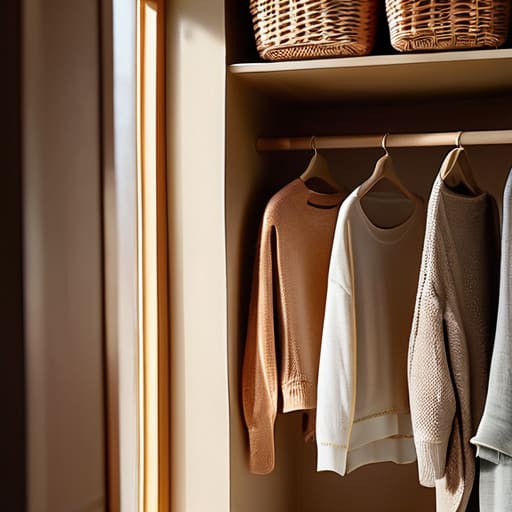
- Stop the “hanger shuffle” by investing in slim, non-slip velvet hangers. They save a massive amount of physical space, but more importantly, they stop your clothes from sliding onto the floor every time you grab a sweater in a rush.
- Use the “one-in, one-out” rule for your most problematic categories. If you buy a new pair of jeans, an old pair has to go—either to donation or the textile recycling bin. It keeps the volume from creeping back up.
- Create a “landing strip” for your accessories. Instead of letting belts, scarves, or hats become a tangled mess at the bottom of the closet, grab a few small bins or even a sturdy shoebox to keep them contained and visible.
- Organize by category, not by color. I know, color-coding looks great in photos, but when you’re running five minutes late, you don’t want to hunt for “navy blue”; you want to find “all my work blouses” in one single glance.
- Utilize the vertical space you’re currently wasting. If you have high shelves, get some clear, stackable bins for off-season items. It gets the stuff you don’t need right now out of your eye line, which instantly lowers the visual noise.
The Real Goal of Organizing
“If your closet looks like a curated showroom but you’re still digging through piles of fabric at 7:00 AM just to find a clean pair of socks, you haven’t organized it—you’ve just decorated it. We aren’t aiming for a magazine spread; we’re aiming for a system that actually lets you get out the door on time.”
Audrey Lin-McCallum
The End of the Closet Chaos
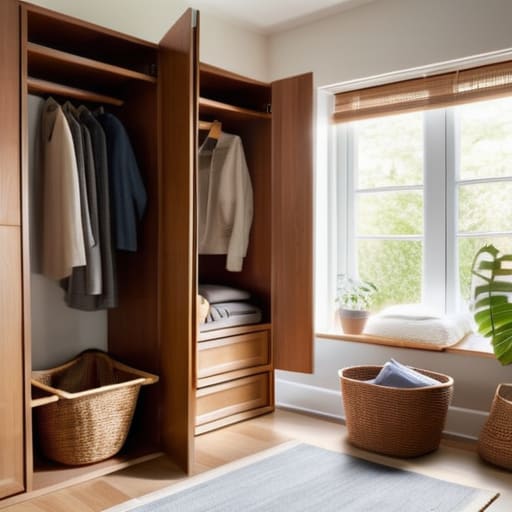
Look, we’ve covered a lot of ground, from the messy reality of decluttering when you’re short on time to picking out storage bins that actually hold your stuff instead of just looking pretty on a shelf. The goal here wasn’t to turn your bedroom into a high-end boutique, but to make sure you aren’t fighting your own clothes every single morning. Remember, it’s about implementing small, repeatable systems—like a dedicated spot for your work bag or a simple way to rotate seasonal gear—that prevent the pile-up from happening again in three weeks. If you focus on functionality over perfection, you’ve already won half the battle.
At the end of the day, your closet is just a tool to help you get through your day, not a museum exhibit. If it takes you five minutes to find a clean pair of socks and you don’t feel a wave of anxiety every time you open the door, then you have succeeded. Don’t get discouraged if things get a little chaotic again; life happens, and sometimes we just need to reset. Just keep building those manageable habits and remember that a functional space is a huge win for your mental bandwidth. You’ve got this.
Frequently Asked Questions
I’ve already decluttered, but how do I actually decide what stays and what goes without feeling guilty about the money I spent?
Ugh, the “sunk cost” guilt is real. I used to stare at a $100 sweater I never wore and feel like I was literally throwing money away if I donated it. But here’s the truth: that money is already gone. Keeping something you don’t use won’t bring the cash back; it just steals your space and adds mental clutter. If it doesn’t fit your life now, let it go. Your peace of mind is worth more than a receipt.
What should I do if my closet is tiny and I don't have room for those fancy hanging organizers everyone talks about?
Look, I’ve lived in spaces where even a walk-in closet felt like a luxury, so I get it. If those bulky hanging organizers are eating up your precious real estate, stop fighting them. Instead, go vertical. Use adhesive hooks on the side walls or even the back of the door for bags and belts. If you have floor space, a slim rolling cart can hold more than you’d think. It’s about using every inch, not just the rod.
How often should I actually be resetting my closet so it doesn't just descend back into chaos after a week?
Look, if you wait for a massive, soul-crushing weekend overhaul, you’ve already lost. I swear by the “Sunday Reset.” Spend just fifteen minutes every Sunday evening hanging up the stray sweaters and clearing the floor. It keeps the chaos at bay without requiring a lifestyle overhaul. If things feel particularly heavy, do a quick monthly sweep. Think of it like washing dishes—don’t let them pile up until the sink is a disaster zone.