I spent most of my twenties living in a studio apartment that was less “cozy retreat” and more “claustrophobic shoebox.” I remember sitting on my floor, surrounded by half-unpacked boxes and a desk that felt like it was breathing down my neck, wondering if I’d ever actually live in my home instead of just surviving in it. I used to scroll through Pinterest, seeing these pristine, white-on-white minimalist sanctuaries, and feel like I was failing because my life didn’t look like a catalog. But here’s the truth: most of those “aesthetic” tips on how to make a small room look bigger are totally impractical for anyone with a real job, a real budget, or, you know, actual stuff.
I’m not here to tell you to throw away your belongings or spend three months’ rent on a designer floor lamp. Instead, I want to share the gritty, functional systems I’ve learned through years of squeezing my life into tight corners and restoring old furniture. We are going to focus on smart, low-cost shifts—like clever lighting and clearing visual clutter—that actually work for a real schedule. My goal is to help you reclaim your space so it finally feels like a place where you can actually breathe.
Table of Contents
Using Mirrors to Expand Space Without the Designer Price Tag
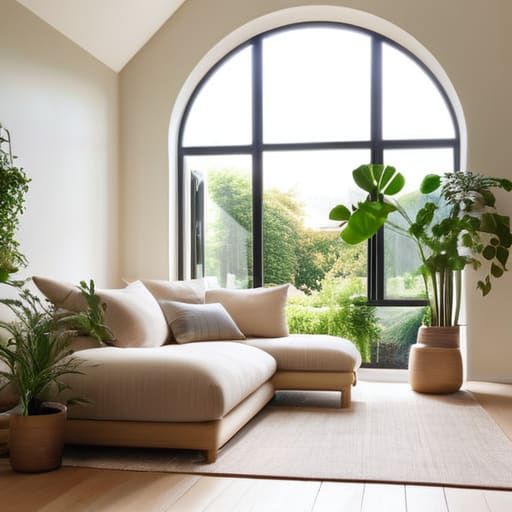
If you’ve ever felt like your walls were slowly closing in on you, mirrors are about to become your new best friends. You don’t need a massive budget or a professional decorator to pull this off; you just need to understand how light travels. One of my favorite interior design tricks for tiny rooms is placing a large mirror directly across from your primary window. It essentially acts as a second window, bouncing natural light deep into the corners and making the whole room feel less like a cave.
Don’t feel like you have to drop a month’s rent on a massive, floor-to-ceiling statement piece, either. I’m a big fan of the “thrift and flip” method—finding a chunky, vintage frame at a local secondhand shop and pairing it with a simple mirror from a big-box retailer. It adds character without the clutter. If you’re really tight on floor real estate, try using mirrors to expand space vertically by hanging a series of smaller mirrors in a cluster. It draws the eye upward, which is a total game-changer when you’re trying to combat that cramped, low-ceiling feeling.
Light Color Palettes for Small Rooms That Actually Feel Airy
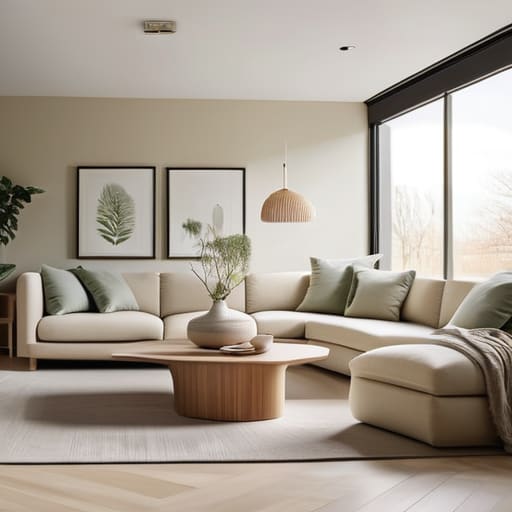
Look, I get it. You want that crisp, Pinterest-perfect white room, but you’re worried it’ll end up feeling like a sterile hospital ward. The trick isn’t just picking “white”; it’s about playing with undertones. I’ve found that instead of a stark, blinding bleached white, opting for soft creams, pale greys, or even a very light sage can make a room feel much more intentional. When you use light color palettes for small rooms, you aren’t just painting walls; you’re essentially trying to bounce as much natural light around the room as possible.
If you’re working with a particularly dark corner, try painting your baseboards and trim the same color as your walls. It sounds counterintuitive, but it eliminates those harsh horizontal lines that visually “cut” your walls in half. This is one of those simple interior design tricks for tiny rooms that actually works because it tricks the eye into seeing a continuous, unbroken surface. It’s less about following a strict rulebook and more about minimizing visual clutter so your brain can finally take a breath.
Five ways to stop feeling like you’re living in a shoebox
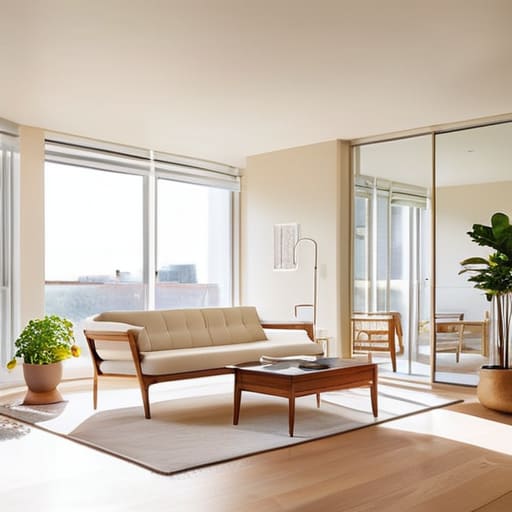
- Get your furniture off the floor. When you can see the floorboards extending all the way to the wall under a sofa or a sideboard, your brain registers more square footage. Swap those heavy, blocky pieces for something with slim, tapered legs.
- Think vertically, not horizontally. If you’re running out of floor space, look up. Install some floating shelves or a tall, narrow bookcase to draw the eye toward the ceiling. It makes the room feel loftier and keeps your surfaces clear of clutter.
- Stop the “furniture parade.” We often try to cram every piece we love into one room, but in a small space, that’s a recipe for claustrophobia. If a chair doesn’t serve a functional purpose or add real value, it’s just taking up breathing room.
- Use “invisible” pieces. Acrylic or glass coffee tables and side chairs are total lifesavers. They provide the utility you need without creating a visual roadblock that cuts your room in half.
- Master the art of the zone. Even in a tiny studio, you don’t want your desk to feel like it’s part of your bed. Use a small rug or even just a different lighting setup to create “rooms within a room.” It tricks your brain into seeing multiple spaces instead of one cramped box.
## The mindset shift
“Forget about trying to fit a mansion’s worth of furniture into a studio; stop trying to fill the space and start trying to let it breathe. A room feels huge when you actually have room to move, not when you’ve managed to cram every square inch with decor.”
Audrey Lin-McCallum
Making It Work for You
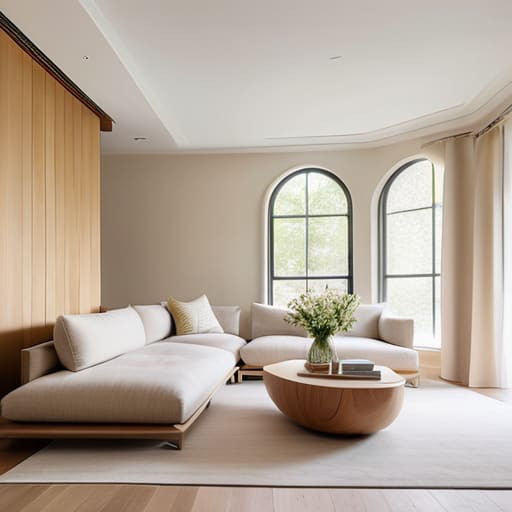
At the end of the day, making a small room feel larger isn’t about buying a whole new set of furniture or following some strict, sterile design rulebook. It’s about being intentional with what you already have. We’ve talked about how mirrors can trick the eye into seeing more depth, how a lighter color palette can stop a room from feeling like a cave, and how much of a difference a little bit of natural light can make. When you combine these small shifts—the mirrors, the colors, and the light—you aren’t just decorating; you are strategically reclaiming your square footage so that your home feels like a sanctuary rather than a storage unit.
Please remember that you don’t have to tackle all of this in one weekend. I know how overwhelming it feels when you look at a cluttered corner and think, “I’ll never fix this.” But you don’t need a total renovation to see a massive difference. Start with one mirror, or one fresh coat of paint, or even just clearing one single surface. Life is messy and our spaces are often tight, but your home should serve you, not the other way around. Take it one incremental step at a time, and soon enough, you’ll finally have the breathing room you deserve.
Frequently Asked Questions
I don't have a huge budget—can I use stuff I already own to make the room feel less cramped?
Absolutely. In fact, some of my best “room refreshes” have cost me zero dollars. Start by doing a ruthless edit: if you haven’t touched an object in six months, it’s just visual noise. Clear those surfaces. Then, try “zoning”—repositioning your existing furniture to create clear paths for walking. Even moving a chair to a corner or grouping books by color can make a space feel intentional rather than just cluttered.
What do I do with all my bulky furniture if I can't afford to replace it?
Look, I’ve been there—staring at a massive, thrifted armchair that’s basically eating my living room alive. If you can’t swap it out, stop trying to hide it and start making it work. First, pull it away from the walls; giving furniture “breathing room” actually makes a space feel less cramped. If it’s a dark, heavy piece, try swapping the legs for something slimmer or even adding a lighter throw to break up the visual weight.
How do I handle heavy curtains or dark rugs without making the whole place feel like a cave?
Look, I get it. Sometimes you just want that cozy, moody vibe, or you’ve already committed to a gorgeous, heavy velvet curtain. Don’t panic. The trick is balance. If you have a dark rug, pull in some lighter, reflective elements—think a glass coffee table or metallic accents—to break up the weight. For those heavy drapes, hang the rod higher and wider than the window. It tricks the eye into seeing more wall and less “cave.”