I used to spend way too much money on those “eco-friendly” cleaning sprays that promised to save the planet but mostly just smelled like a very expensive lavender field and failed to actually lift a single grease stain from my stovetop. Honestly, the idea that you need a twelve-step ritual involving rare essential oils and custom-etched glass bottles just to make diy cleaning products is a total myth designed to drain your bank account. I grew up in a tiny apartment where we didn’t have room for a dedicated “cleaning closet” full of specialized chemicals; we just needed stuff that actually worked without making my eyes sting.
I’m not here to sell you on a curated, aesthetic lifestyle that requires three hours of prep time on a Tuesday night. Instead, I want to give you a handful of no-nonsense recipes that use stuff you probably already have tucked in your pantry right now. We’re going to focus on building a functional toolkit of solutions that get the job done quickly, so you can stop scrubbing and get back to your actual life.
Table of Contents
Cost Effective Cleaning Solutions for Your Real Life Schedule
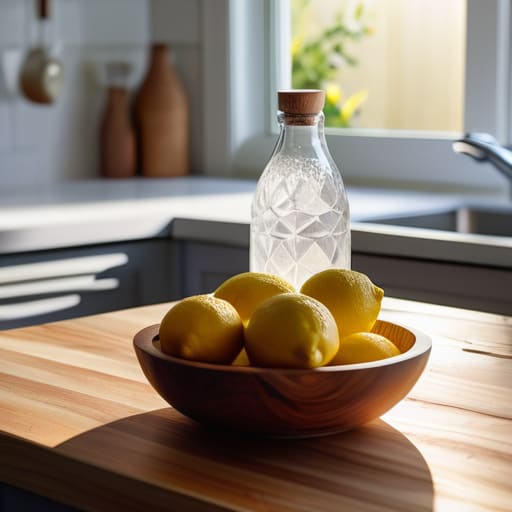
Look, I get it. You walk down the cleaning aisle and see these massive, expensive bottles with labels that sound more like a chemistry lecture than a way to clean a countertop. It’s easy to feel like you need a specialized spray for every single surface just to feel like you’re doing it “right.” But honestly? Most of that is just marketing fluff. If you want cost-effective cleaning solutions that don’t eat up your grocery budget, you really only need a few pantry staples.
I started leaning heavily on vinegar and baking soda cleaning methods a few years ago, mostly because I was tired of the clutter and the cost. A simple mixture of white vinegar, water, and maybe a drop of dish soap can tackle almost anything in your kitchen. If you want to level up the experience without spending a fortune, adding a few drops of lemon or eucalyptus essential oils for cleaning makes the whole house smell like a spa instead of a science experiment. It’s about finding that sweet spot where things are clean, safe, and—most importantly—actually doable on a Tuesday night.
Safe Cleaning for Pets and Kids Without the Stress
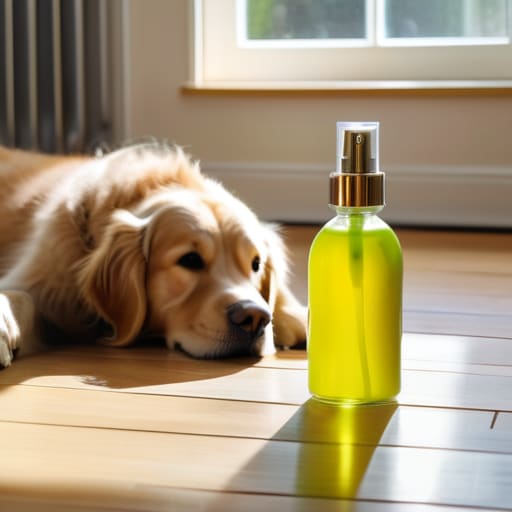
If you have toddlers crawling on the floor or a dog that insists on licking every surface they can reach, the last thing you want to do is worry about what’s lingering in your floor cleaner. I used to get so stressed about reading those tiny ingredient labels on store-bought bottles, feeling like I needed a chemistry degree just to make sure my living room was safe. But honestly? You don’t need a laboratory-grade setup to achieve safe cleaning for pets and kids.
I’ve found that sticking to a few non-toxic household cleaners made from pantry staples is a total game-changer for my peace of mind. Instead of hunting for specialized “baby-safe” sprays that cost a fortune, I just lean on the basics. A simple mixture of water and a splash of white vinegar handles most surfaces beautifully. If you want a scent that doesn’t smell like a salad dressing, adding a drop or two of lemon or lavender essential oils gives it a fresh lift without the synthetic fragrance overload. It’s about keeping things simple and, more importantly, keeping the chaos manageable.
My Low-Maintenance DIY Cheat Sheet
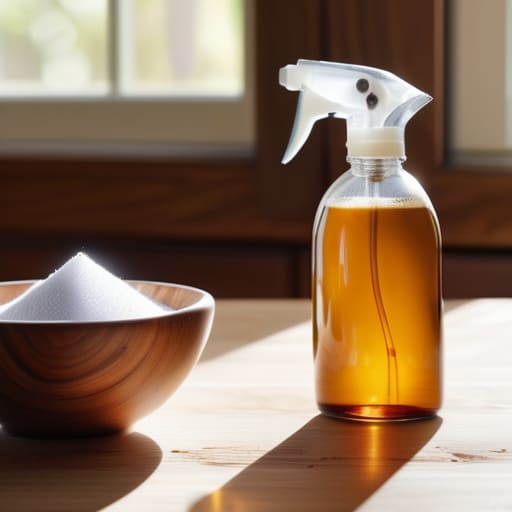
- Stop buying specialized cleaners for every single surface; a basic mix of white vinegar, water, and a tiny drop of dish soap in a spray bottle will tackle about 80% of your daily messes without cluttering your cabinets.
- Keep a small jar of baking soda under the sink for those stubborn, greasy stovetop spots—just sprinkle it on, add a little scrub, and let it do the heavy lifting while you finish your coffee.
- Don’t go overboard with essential oils just because they smell nice; a few drops of lemon or eucalyptus are great for a scent boost, but too much can actually make your DIY concoctions feel more like a science experiment than a cleaning solution.
- Invest in a few decent glass spray bottles rather than cheap plastic ones; they last longer, they don’t leach chemicals into your mixtures, and they actually look decent sitting on your counter.
- Label everything immediately with a piece of masking tape and a sharpie—trust me, when you’re tired at 9 PM, you don’t want to play “guess the liquid” with a bottle of mystery vinegar solution.
The Real Goal of DIY Cleaning
“I’m not trying to build a chemistry lab in my kitchen or achieve some flawless, magazine-ready sparkle; I just want a countertop that’s clean enough to eat off of without spending a fortune or breathing in toxic fumes while I’m trying to get through my Tuesday.”
Audrey Lin-McCallum
Getting Started (Without the Overwhelm)
At the end of the day, you don’t need a chemistry degree or a kitchen full of expensive, niche ingredients to make this work. We’ve covered how a simple vinegar solution can tackle most of your surfaces, how to keep things safe for the little ones (and the furry ones), and how to keep these little projects from becoming another chore on your never-ending to-do list. The goal isn’t to replace every single bottle under your sink overnight; it’s about building a system that saves you money and reduces the chemical clutter in your home. Start with one spray bottle, grab some distilled white vinegar, and see how it feels. If it works for your routine, great. If not, you haven’t lost much more than a few cents.
I know how it feels when the “self-care” or “home organization” trends start to feel like just another way to judge yourself for not being perfect. But here’s the truth: a clean home is a tool for your sanity, not a trophy for your social media feed. Whether you’re scrubbing a countertop or reorganizing a junk drawer, remember that you are creating a space that serves you, not a space that looks like a showroom. Take it one small, functional step at a time. You’ve got this, and honestly, your future, less-stressed self will definitely thank you.
Frequently Asked Questions
Is it actually safe to use vinegar on everything, or am I going to accidentally ruin my stone countertops?
Oh, I am so glad you asked that. Please, for the love of your kitchen, keep the vinegar away from your stone! If you have granite, marble, or quartz, that acidity will eat right through the sealant and leave you with dull, etched spots that are a total headache to fix. Stick to warm water and a drop of mild dish soap for those surfaces. Save the vinegar for the windows and the sink.
How long can I actually keep these homemade mixtures before they start smelling weird or losing their effectiveness?
Honestly, the “shelf life” of DIY cleaners is shorter than the stuff you buy at the big-box store, mostly because we aren’t using heavy-duty preservatives. I usually follow a “make it as you need it” rule. If you’re using just vinegar and water, you can keep it in a spray bottle for a few weeks, but once you add essential oils or citrus peels, try to use it within a week. If it smells funky or looks cloudy, just toss it and mix a fresh batch. It takes two minutes, and it’s not worth the weird smell.
Do I really need to buy specific essential oils for these recipes, or can I just use what I already have in the pantry?
Honestly? Don’t even worry about it. If you have a bottle of peppermint oil from a diffuser or some lemon zest sitting in your fridge, use that. I’ve definitely been guilty of thinking I needed a “curated” set of oils to make this work, but that’s just more clutter and more money down the drain. If you don’t have any, skip the scent entirely. A clean surface is still clean, even if it doesn’t smell like a spa.