I am so tired of seeing those “aesthetic” productivity videos where someone wakes up at 4:00 AM, drinks a green smoothie, and color-codes a digital planner that looks more like a piece of art than a tool. If you actually tried to follow those hyper-curated time management tips, you’d probably spend more time decorating your calendar than actually getting your work done. Let’s be real: most of that advice is designed for people who don’t have a freelance schedule to juggle or a tiny apartment that doubles as an office. We don’t need more performative productivity; we need systems that don’t fall apart the second a client sends an “urgent” email or we run out of coffee.
I’m not here to sell you on a lifestyle overhaul that requires a complete personality transplant. Instead, I want to share the gritty, practical methods I’ve used to keep my head above water while managing multiple projects and a growing collection of half-restored mid-century chairs. I’m going to give you some no-nonsense time management tips that focus on functional progress rather than perfection. We’re going to build a toolkit that actually survives the chaos of a real, messy Tuesday.
Table of Contents
Applying the Eisenhower Matrix Explained to Your Chaos

So, you’ve heard of the Eisenhower Matrix, but looking at a blank four-quadrant grid when your inbox is screaming can feel more like a chore than a solution. Here is the Eisenhower Matrix explained in a way that won’t make you want to close your laptop immediately: it’s not about doing more things; it’s about deciding which things are actually worth your limited energy. Instead of treating every notification like a five-alarm fire, grab that notebook of mine and divide your tasks into: Urgent/Important, Not Urgent/Important, Urgent/Not Important, and the dreaded “Why am I even doing this?” category.
The real magic happens when you stop letting the “Urgent/Not Important” tasks—like that non-essential Slack thread or a random email—dictate your entire afternoon. This is one of those productivity hacks for professionals that actually sticks because it forces you to confront your priorities. If a task is important but not urgent, schedule it. If it’s neither, delete it. We aren’t aiming for a perfectly color-coded calendar; we’re just trying to stop reacting to the noise so we can actually focus on the work that moves the needle.
Daily Scheduling Strategies That Actually Survive a Bad Day
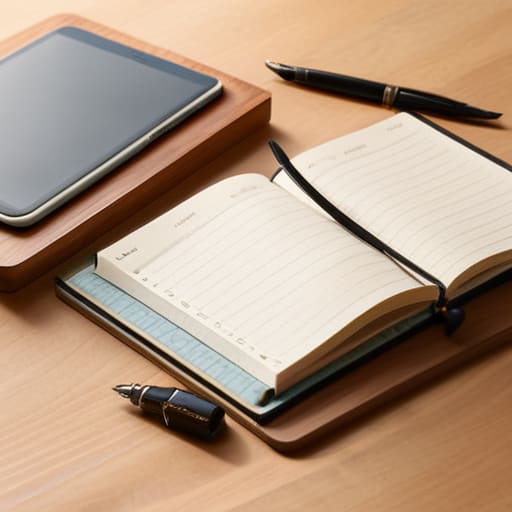
Look, we’ve all been there: you start the morning with a color-coded calendar and a dream, only to have a client emergency or a broken dishwasher derail everything by 10:00 AM. When the chaos hits, the worst thing you can do is try to force your original plan. Instead of spiraling, I’ve learned to lean into daily scheduling strategies that allow for friction. I call it “buffer blocking.” I leave at least thirty minutes of white space between major tasks. It sounds counterintuitive if you’re chasing high-level productivity hacks for professionals, but that empty space is your safety net. It’s the difference between a total meltdown and a quick pivot.
When the day feels particularly heavy, I also swear by “micro-tasking.” If a massive project feels like a mountain you can’t climb, stop looking at the summit. Just pick one tiny, mindless piece of it—like formatting a spreadsheet or responding to one specific email. It’s one of my favorite overcoming procrastination techniques because it lowers the barrier to entry. You aren’t trying to win a marathon; you’re just trying to move one inch forward.
Five Ways to Stop Fighting the Clock and Start Working With It

- Stop the “All-or-Nothing” Morning Routine: If your plan to be productive requires a 90-minute meditation session and a homemade smoothie, you’re setting yourself up for failure. On days when you wake up late or the cat throws up, just aim for one single “win”—like clearing your inbox or tackling one specific task—and call it a success.
- Use “Time Buffers” Like You Use Extra Spices: We all think we can finish a task in twenty minutes, but then the Wi-Fi lags or a client sends a “quick” question. I’ve learned to pad my estimates by at least 15-20%. It’s better to finish early and have a breather than to spend your whole afternoon in a state of frantic catch-up.
- The “Low-Energy List” is Your Best Friend: Some hours we are powerhouse professionals, and some hours we are basically just sentient houseplants. Keep a running list of brainless, low-stakes tasks—filing receipts, organizing your desktop, or watering your plants—so when your focus dips, you can still be productive without burning out.
- Close Your Tabs (Literally and Figuratively): Digital clutter is just as overwhelming as a messy apartment. If you have forty tabs open, your brain is trying to process forty different directions at once. Every few hours, do a “digital sweep”: close what you aren’t using and bookmark the rest. It clears the mental fog instantly.
- Batch Your “Admin Chaos”: Don’t let small, nagging tasks like responding to non-urgent emails or paying bills pepper your entire day. It kills your flow. Instead, carve out one specific block—maybe 30 minutes after lunch—to knock them all out at once. It’s much easier to stay in “work mode” when you aren’t constantly switching gears.
The Myth of the Perfect Calendar
Stop trying to build a schedule that looks pretty on a Pinterest board and start building one that can actually survive a Tuesday afternoon meltdown. Productivity isn’t about squeezing every second out of your day; it’s about creating enough breathing room so that when life inevitably gets messy, your whole system doesn’t collapse.
Audrey Lin-McCallum
Finding Your Own Rhythm

At the end of the day, whether you’re triaging your to-do list with the Eisenhower Matrix or trying to build a schedule that doesn’t crumble the moment a meeting runs late, the goal isn’t to become a productivity robot. We’ve covered how to categorize the chaos and how to build in enough wiggle room to survive the inevitable hiccups of a Tuesday afternoon. Remember, these tools are just that—tools. They aren’t meant to be rigid rules that you fail if you don’t follow to the letter; they are meant to be functional systems that help you reclaim a little bit of mental space from the noise.
If you find yourself falling off the wagon or ignoring your planner for three days straight, don’t beat yourself up. That’s just life happening. The secret isn’t in achieving a perfectly curated, color-coded existence; it’s in the ability to reset and try again tomorrow. We aren’t aiming for a flawless performance; we are just trying to build a life that feels manageable and a schedule that actually serves us. So, grab your notebook, pick one small thing to organize, and start where you are. You’ve got this.
Frequently Asked Questions
How do I stop feeling guilty when I inevitably fall behind on my planned schedule?
First off, take a breath. That guilt is just your brain trying to punish you for being human. Here’s the truth: a schedule is a compass, not a prison sentence. When you fall behind, don’t try to “make up” the lost time by squeezing everything into a frantic evening—that’s how burnout starts. Just look at your list, pick the one thing that actually matters right now, and reset. Done is better than perfect.
What do I do when "urgent" tasks from my boss or clients constantly hijack my planned deep-work blocks?
Look, I’ve been there—you finally settle into a flow state and ping, a “quick question” from a client nukes your entire afternoon. Instead of fighting the tide, try “buffer blocking.” Schedule 30-minute windows of reactive time immediately following your deep-work sessions. It acknowledges that interruptions are a part of the job rather than a failure of your system. If it’s truly a fire, handle it; if not, it waits for your designated triage window.
Is it worth trying to track every single minute of my day, or is that just going to add more overwhelm to my plate?
Honestly? If the thought of logging every minute makes you want to take a nap immediately, don’t do it. Tracking every single second is a recipe for burnout, not productivity. It’s too rigid for real life. Instead, try “time auditing” for just a few days to see where your leaks are. Once you spot the patterns, stop the tracking and start the adjusting. Aim for awareness, not a digital prison.