I’ve spent way too many Tuesday nights staring into the hollow void of my fridge, wondering if a bowl of cereal counts as a “balanced meal.” We’ve all seen those aesthetic videos where someone spends eight hours in a pristine, marble-countertop kitchen, emerging with twenty identical glass containers filled with colorful quinoa salads. Honestly? That’s not meal prep; that’s a full-time job. If you’re looking for a way to master batch cooking for beginners without turning your tiny kitchen into a high-stress production studio, I promise you, it doesn’t have to be that way.
I’m not here to sell you on a lifestyle of expensive Tupperware or spending your entire Sunday scrubbing heavy-duty pots. My goal is to show you how to build a system that actually works when you’re tired, busy, or just plain uninspired. We’re going to focus on functional, low-effort wins—the kind of cooking that lets you reclaim your evenings without needing a culinary degree. Let’s ditch the perfectionism and just figure out how to make sure you’re actually fed by mid-week.
Table of Contents
Smart Weekly Meal Planning Strategies for Busy Lives
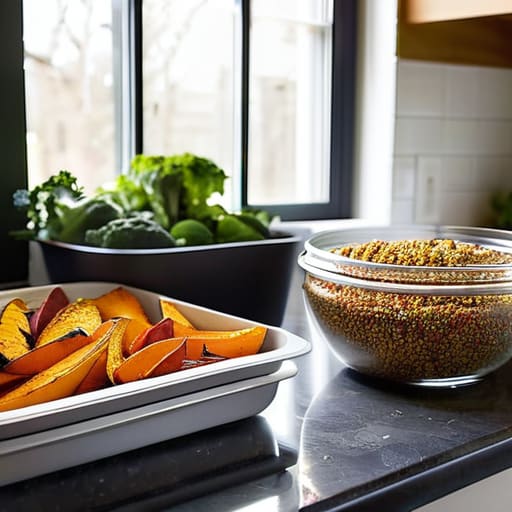
First things first: stop trying to plan a seven-day gourmet menu. That is a one-way ticket to burnout by Tuesday. Instead, I like to use a few simple weekly meal planning strategies that focus on components rather than rigid recipes. Think of it as building a modular system. If I roast a massive tray of sweet potatoes and cook a giant pot of quinoa on Sunday, I’ve already done half the work for three different meals. You aren’t just making food; you’re building a functional toolkit for your future, hungry self.
Once you’ve got your components, the real secret is how you manage the logistics. Don’t just throw leftovers into random Tupperware and hope for the best. Invest in some decent meal prep containers for freezing so you can actually stack things in your freezer without playing Tetris every single night. I’ve learned the hard way that if it isn’t labeled and easy to grab, it’s just going to sit there until it becomes a science project. The goal is to make “what’s for dinner” a non-decision.
Budget Friendly Meal Prep Without the Stress
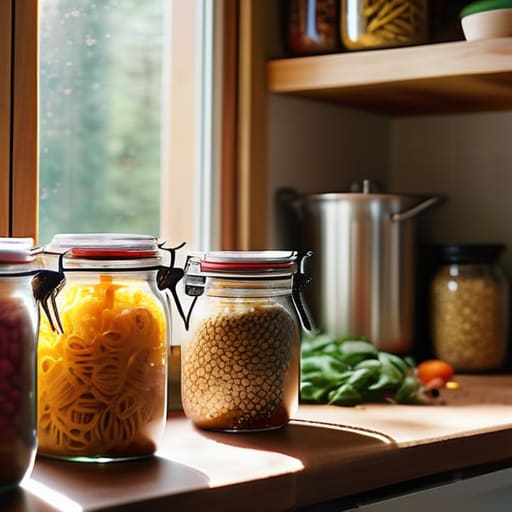
Let’s be real: the biggest barrier to meal prepping isn’t the cooking itself; it’s the grocery bill. If you’re staring at a receipt that looks like a mortgage payment, you’re going to burn out by week two. My rule of thumb for budget friendly meal prep is to shop your pantry first. Before you even think about a store, see what grains or canned beans are hiding in the back of your cupboard. Build your meals around whatever is already there, and then use your budget to fill in the gaps with seasonal produce or bulk proteins. It’s much more about strategic scavenging than it is about buying a dozen organic superfoods.
Once you’ve got your ingredients, don’t overcomplicate the storage. You don’t need a custom-designed pantry system to make this work. I’ve found that investing in a few decent meal prep containers for freezing is a total game-changer for preventing waste. If you realize you’ve made way too much chili, don’t let it sit in the fridge until it becomes a science project; portion it out immediately. This keeps your food fresh and ensures you actually have a “ready-to-go” lunch for those chaotic Tuesday afternoons.
Five Ways to Batch Cook Without Losing Your Mind
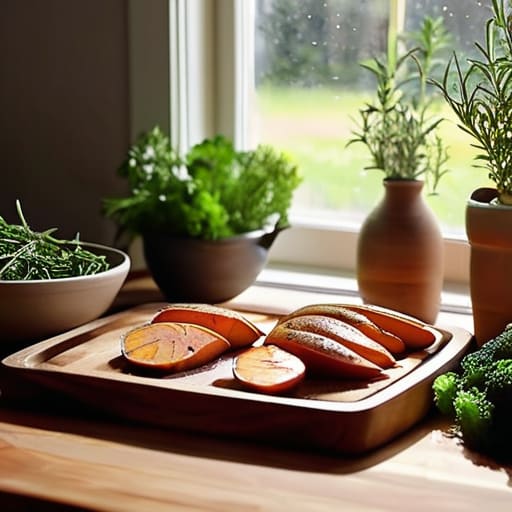
- Don’t try to cook five new recipes at once. Pick one “hero” ingredient—like a big tray of roasted sweet potatoes or a pot of seasoned shredded chicken—and use it in different ways throughout the week. It saves you from standing over the stove for four hours straight.
- Invest in decent, mismatched containers. You don’t need a matching set of expensive glass jars to be organized; just make sure they actually seal. There is nothing more frustrating than pulling a container out of the fridge only to realize it’s going to leak all over your shelf.
- Embrace the “component” method over the “pre-made meal” method. Instead of assembling full bowls that get soggy by Thursday, just prep the components—grains, proteins, veggies—separately. It gives you more flexibility to change your mind about what you’re eating when the craving hits.
- Keep a “emergency” frozen stash. Even the best meal prep plans can go sideways if a meeting runs late or you’re just too exhausted to reheat something. Having a bag of frozen peas or a decent frozen pizza as a backup prevents the “everything is ruined” spiral.
- Clean as you go, seriously. I know, it sounds cliché, but if you leave the kitchen a disaster zone after a Sunday prep session, you’re going to dread doing it again next week. Wash the cutting board while the onions are sautéing; your Monday-self will thank you.
The Reality Check
“Stop trying to prep twenty identical Tupperware containers like you’re training for a marathon; just cook enough extra protein or grains on a Sunday so that Wednesday night feels like a win instead of a crisis.”
Audrey Lin-McCallum
Keeping It Real in the Kitchen
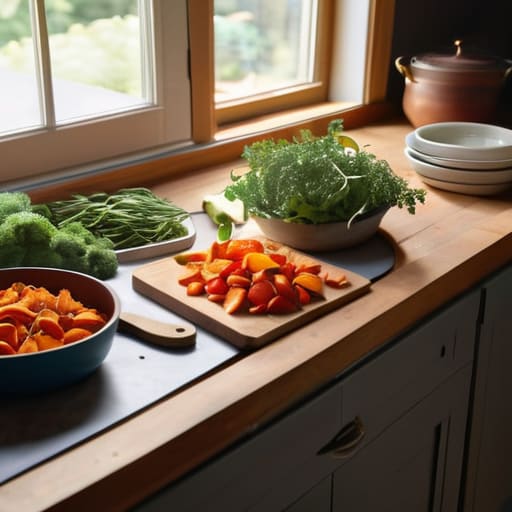
At the end of the day, batch cooking isn’t about turning your kitchen into a sterile laboratory or spending your entire Sunday scrubbing Tupperware. It’s about the small wins: having a base of roasted veggies ready for a quick grain bowl, or knowing you have a jar of sauce in the fridge when the workday runs late. We’ve talked about planning strategically, keeping your budget in check, and avoiding the trap of overcomplicating your menu. Just remember that progress beats perfection every single time. If you only manage to prep one single component this week instead of a full week of meals, you’re still ahead of where you were last week.
I know how it feels to look at a daunting list of recipes and just want to order takeout instead. But I promise you, there is a specific kind of peace that comes from opening your fridge and seeing actual, usable food waiting for you. You don’t need a professional setup or a designer pantry to make this work; you just need a system that serves you. Start small, be kind to yourself when things get messy, and focus on making your future self’s life just a little bit easier. You’ve got this.
Frequently Asked Questions
I'm worried about everything tasting the same by Thursday; how do I keep things from getting boring?
I totally get it. The “tastes like sadness” Thursday is a real phenomenon. My trick? Don’t prep full meals; prep components. Instead of making five identical chicken bowls, roast a big batch of plain chicken and some roasted veggies, then change the “vibe” with different sauces. One night it’s a spicy tahini drizzle, the next it’s a squeeze of lime and some hot sauce. Keep the flavor assembly for the moment you actually eat.
Do I really need to spend my entire Sunday in the kitchen, or is there a way to do this in small chunks?
Honestly? Please don’t. If you spend your entire Sunday hovering over a stove, you’re going to end up resenting your meal prep by Tuesday. I’m a huge advocate for “micro-prepping.” Chop an extra onion while you’re making dinner on Monday, or roast a tray of veggies while the coffee is brewing. It’s about finding those ten-minute pockets. Build the system in chunks so your weekend actually feels like a weekend.
How do I know which containers are actually worth the investment so I'm not just wasting money on plastic?
Honestly, don’t go overboard with a “set” of twenty different things. Start with glass. If it’s microwave-safe and has a really solid, airtight seal, it’s worth the extra few bucks because it won’t stain or hold onto that weird garlic smell from Tuesday. Avoid the cheap plastic sets that warp the second they hit the dishwasher. If you can’t reuse it a hundred times without it looking gross, it’s just clutter.