I’ve spent way too many Tuesday nights staring into my fridge, paralyzed by the idea that I need a dozen exotic sauces and a professional-grade wok just to figure out how to make a stir fry that doesn’t taste like sad, soggy vegetables. The internet loves to tell you that you need a “mise en place” so perfect it looks like a culinary school exam, or that you can’t survive without expensive, hard-to-find oils. Honestly? That’s just unnecessary gatekeeping that makes a simple meal feel like a high-stakes project I don’t have the bandwidth for after a long day of freelance coordinating.
Here is my promise to you: we aren’t aiming for a Michelin star here; we’re aiming for functional nutrition that actually fits into your life. I’m going to show you how to build a repeatable system using whatever is currently wilting in your crisper drawer and the basic pantry staples you already own. No fluff, no expensive gadget requirements, and absolutely no stress about perfect knife skills—just a straightforward method to get hot, delicious food on your plate in under twenty minutes.
Table of Contents
Efficient Vegetable Prep for Stir Fry Without the Mess
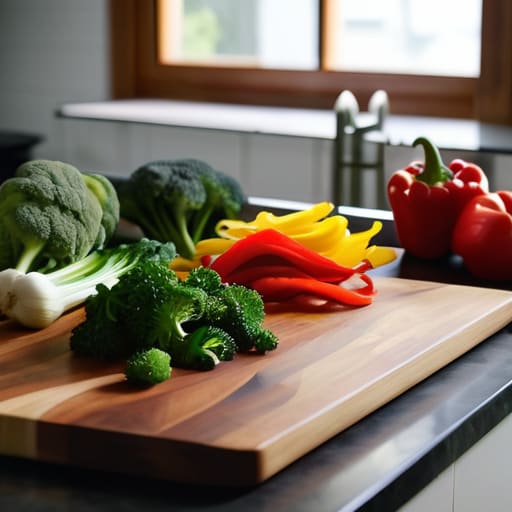
Look, I know the idea of chopping five different vegetables while a pan is heating up sounds like a recipe for a kitchen meltdown. I’ve been there, standing over a smoking stove, frantically trying to slice a bell pepper while my garlic burns. To avoid that, treat your vegetable prep for stir fry like a mini project management task: do it all before you even touch the burner.
Clear a dedicated workspace, grab your largest cutting board, and group your items by density. I usually start with the “hard” stuff—carrots or broccoli stalks—and move toward the leafy or soft bits. If you’re feeling extra organized, keep your prepped veggies in small bowls or even just piles on the board. This way, you aren’t hunting for a knife mid-sear.
Pro tip: don’t worry about making every piece a perfect, identical cube. As long as they are roughly the same size, they’ll cook evenly. The goal isn’t a Michelin-star presentation; it’s about having everything ready to hit the pan so you can actually enjoy the process instead of fighting it.
Smart Protein Seasoning for Stir Fry That Actually Works
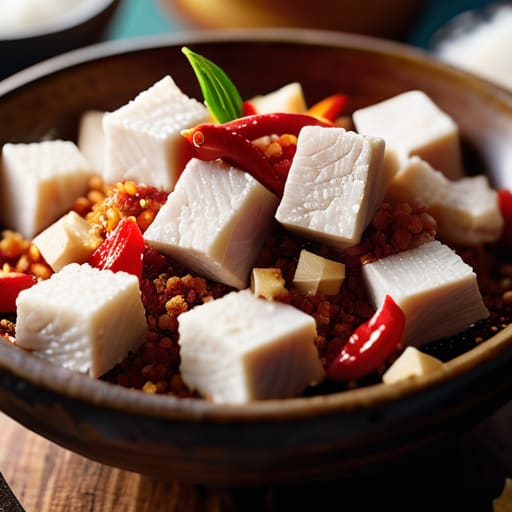
Now, let’s talk about the protein. If you’re like me, you probably tend to toss raw chicken or tofu straight into the pan and hope for the best. I used to do that, but I quickly learned that without a little pre-game strategy, you end up with something that’s either rubbery or just plain bland. The secret to getting those authentic stir fry flavors isn’t a complicated marinade that takes three hours; it’s about simple, effective protein seasoning for stir fry that happens while your pan is heating up.
I like to keep a small bowl of “emergency seasonings” ready: soy sauce, a splash of toasted sesame oil, and maybe a pinch of cornstarch. That cornstarch is my secret weapon—it creates a thin coating that helps the seasoning cling to the meat and helps it brown beautifully when you transition into your high heat cooking methods. Don’t worry about measuring everything to the milligram. Just toss your protein in the bowl, give it a quick shake, and let it sit for five minutes. It’s a tiny bit of extra work that makes a massive difference in the final texture.
5 Real-World Hacks for a Stress-Free Stir Fry
- Don’t aim for restaurant-perfect julienne strips; if your veggies are roughly the same size, they’ll cook evenly enough. Just get them chopped and move on.
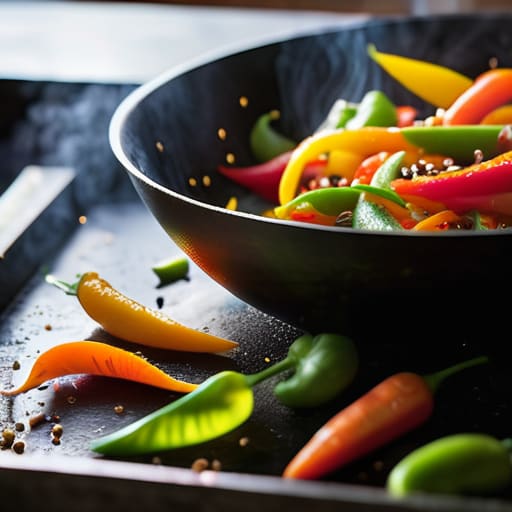
- Heat your pan until it’s actually smoking before you drop anything in. If you crowd a cold pan with food, you’ll end up steaming a sad, soggy mess instead of getting that nice sear.
- Keep your sauce in a small jar or even a mug right next to the stove. You won’t have time to hunt for a measuring spoon once the garlic starts smelling amazing.
- Order your ingredients by cook time. Start with the hard stuff like carrots or broccoli, and save the leafy greens or delicate shrimp for the very last minute so they don’t turn to mush.
- Embrace the “clean as you go” rule by washing your cutting board while the protein is searing. It makes the post-dinner cleanup feel way less like a second job.
The Real Secret to a Good Stir Fry
“Forget the fancy chef techniques you see on TikTok; a successful stir fry isn’t about perfect julienne cuts, it’s about having everything within arm’s reach before the heat hits the pan so you aren’t scrambling while your garlic burns.”
Audrey Lin-McCallum
The Real Goal: Eating Well Without the Burnout
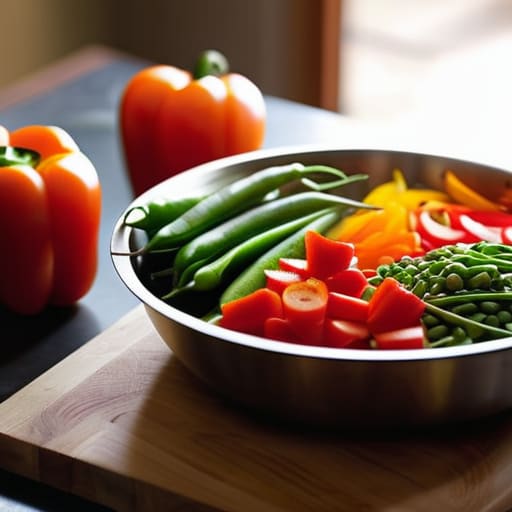
At the end of the day, a great stir fry isn’t about having Michelin-star knife skills or a pantry full of rare, expensive oils. It’s about the system you put in place before the heat even hits the pan. By prepping your veggies efficiently and getting that protein seasoned properly, you’ve already done the heavy lifting. You’ve turned what could have been a chaotic, sink-full-of-dishes disaster into a streamlined process that actually respects your time. Remember, if your vegetable cuts aren’t perfectly uniform, it doesn’t matter—as long as they cook through and you actually get to sit down and enjoy the meal.
We spend so much of our lives trying to chase this impossible standard of “perfect” cooking, but I’m telling you, perfection is the enemy of a good Tuesday night. My goal isn’t to help you master a culinary art form; it’s to help you build a repeatable habit that fuels you when life gets loud. Use what you have, embrace the slightly uneven chop, and focus on the fact that you just made a real, nourishing meal from scratch. You’re building a life that works for you, one pan at a time, and that is always worth the effort.
Frequently Asked Questions
I don't have a massive wok; can I actually get a decent sear using my standard non-stick skillet?
Honestly, don’t sweat it. You don’t need a professional-grade wok to get a decent result. The trick with a standard non-stick skillet is managing the crowd. If you dump everything in at once, the temperature drops, the moisture builds up, and you end up steaming your veggies instead of searing them. Work in small batches. Let the pan get hot, sear your protein, pull it out, and then tackle the veggies. It takes an extra minute, but it’s worth it.
How do I stop my vegetables from turning into a soggy, mushy mess by the time they're cooked?
The secret is all about heat management and timing. Most people crowd the pan, which drops the temperature and basically steams your veggies in their own juices—hello, mush. Instead, cook in batches. Sear your harder veggies (like carrots or broccoli) first, pull them out, then hit the leafy stuff at the very end. You want that quick, high-heat char that keeps the crunch intact, rather than a slow simmer in a crowded wok.
Is there a way to make a quick sauce using basic pantry staples instead of hunting down specialized Asian grocery items?
Honestly, please don’t go on a grocery run just for one meal. I’ve been there, and it’s a total mood killer. You can make a killer sauce with what’s already in your cupboard. Just grab some soy sauce, a splash of vinegar (apple cider works fine!), a spoonful of honey or sugar, and whatever garlic or ginger powder you have hiding in the spice rack. It’s not “authentic,” but it’s fast, functional, and tastes great.