I remember staring at that wobbly, particle-board coffee table in my first tiny apartment and thinking there was absolutely no way I could ever fix it, let alone build something better. Most people see a pile of lumber and a saw and immediately feel that wave of total overwhelm, thinking they need a massive workshop and years of training just to make a simple shelf. But here’s the truth: you don’t need a master craftsman’s setup to start making things that actually work for your space. Getting into beginner woodworking projects isn’t about chasing some Pinterest-perfect aesthetic; it’s about the quiet satisfaction of solving a problem with your own two hands.
In this post, I’ve rounded up five specific projects that are actually achievable for someone with a busy schedule and limited tools. We aren’t going to tackle intricate carvings or expensive hardwoods today. Instead, I’m walking you through five functional builds that will help you bridge the gap between “I have no idea what I’m doing” and “I actually made this.” By the end of this list, you’ll have a clear roadmap to start building pieces that fit your life, your budget, and your home.
Table of Contents
The "No-Fail" Floating Shelf
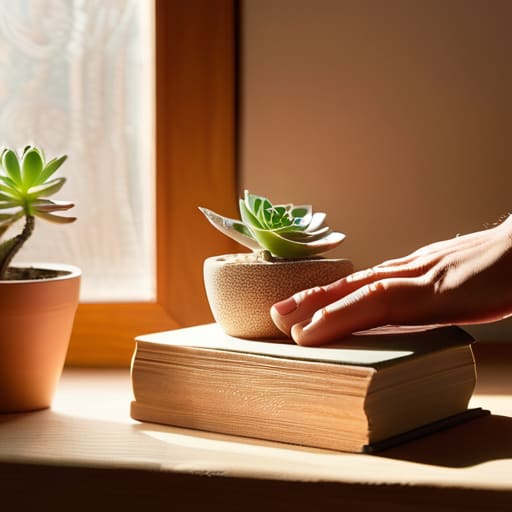
If you’re staring at a blank wall in your apartment and feeling that itch to actually use the space, start here. Floating shelves are the ultimate low-stakes entry point because they don’t require complex joinery or fancy miters. You’re essentially just building a sturdy little box or a thick slab and finding a way to anchor it to the wall. It’s incredibly satisfying to see your favorite plants or a stack of books suddenly have a dedicated home that you built with your own two hands.
A Minimalist Desk Organizer
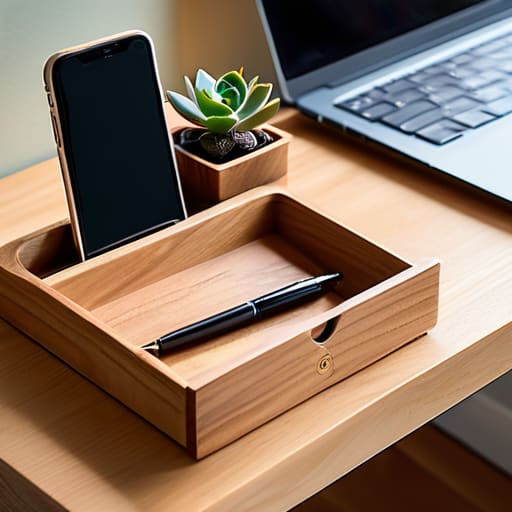
Let’s be real: my workspace used to be a graveyard of loose pens, charging cables, and half-finished sticky notes. I realized that if I wanted to actually focus, I needed a system that worked for my specific clutter. A simple wooden organizer—think a few small compartments for your tech and a slot for your phone—is a project that pays dividends in daily productivity. It’s small enough that you won’t feel intimidated, but it’s functional enough to make a massive difference in your workflow.
The Rustic Serving Tray
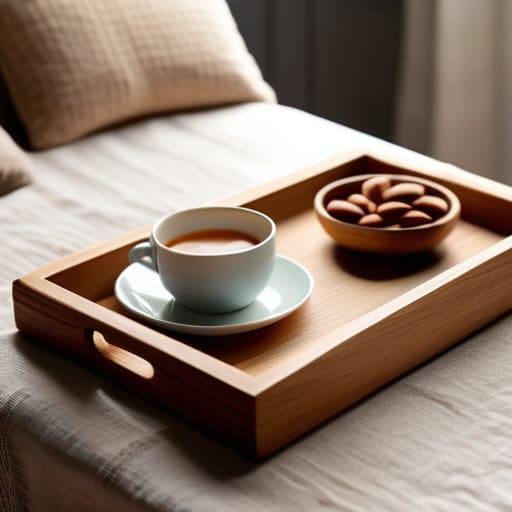
This is my absolute favorite project for when I want to host a little something without spending a fortune on decor. A wooden serving tray is basically just a flat board with some raised edges and two handles. It’s the perfect way to practice your straight cuts and learn how to use wood glue effectively. Plus, it’s something you can actually use when you’re bringing coffee to bed or serving snacks to friends on the couch.
Custom Plant Stands
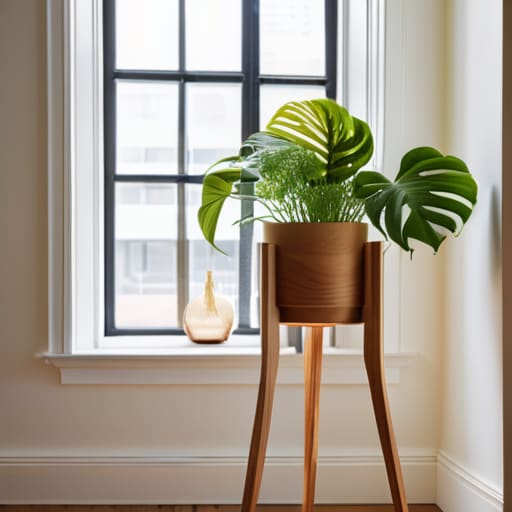
Since I started my urban gardening journey, I’ve realized that floor space is my most precious commodity. When you have a dozen different plants, you can’t just line them up on the windowsill; you have to go vertical. Building simple, tripod-style or tiered plant stands is a fantastic way to practice basic geometry and stability. It’s a project that lets you experiment with different heights to create a little indoor jungle without cluttering up your walking paths.
A Simple Entryway Catch-All
We all have that one “dumping ground” near the front door—the spot where keys, mail, and sunglasses go to die. Instead of letting the chaos win, I recommend building a small, shallow wall-mounted tray or a tiny console shelf. It’s a tiny bit of woodworking that addresses a very real-world problem. By creating a designated spot for your “leaving the house” essentials, you’re essentially building a system to prevent that frantic morning search for your keys.
## A Note on Getting Started
“Forget about building a museum-quality heirloom on your first try; just build something that holds your keys or keeps your coffee mug off the floor. Once you see a piece of wood actually solving a problem in your living room, that’s when the real magic happens.”
Audrey Lin-McCallum
Build Your Own Way
At the end of the day, whether you’re tackling a simple floating shelf or a sturdy spice rack, the goal isn’t to end up with a piece of furniture that looks like it belongs in a high-end showroom. It’s about the satisfaction of looking at a corner of your room and knowing you actually made that to solve a specific problem. You don’t need a massive workshop or a degree in carpentry to get started; you just need a few basic tools, a bit of patience, and the willingness to embrace the inevitable mistakes along the way. Those wonky edges or slightly uneven joints? They’re just proof that a real person built something useful with their own two hands.
My best advice is to stop waiting for the “perfect” moment or the “perfect” toolset to arrive. If you wait until you feel like an expert, you’ll never actually pick up the saw. Just pick one small thing that would make your daily routine a little bit smoother and start there. Woodworking is a skill that grows alongside your confidence, and honestly, there is something incredibly grounding about working with your hands after a long day of staring at screens. Focus on creating utility, not perfection, and I promise you’ll find that the process is just as rewarding as the finished product.
Frequently Asked Questions
Do I really need to spend a fortune on a full workshop before I can even start my first project?
Absolutely not. Honestly, the idea that you need a dedicated garage studio with every power tool under the sun is one of the biggest myths keeping people from starting. I started with a single screwdriver, a hammer, and a kitchen table. If you have a small corner and a few basic hand tools, you have a workshop. Focus on what you actually need for the specific project in front of you, not the gear you think you “should” own.
What’s the absolute bare minimum set of tools I should grab so I don't end up with a garage full of stuff I'll never use?
Look, I’ve been there—standing in the hardware aisle feeling like I need an entire workshop just to build a birdhouse. Don’t do it. To start, grab a decent cordless drill, a multi-bit screwdriver, a tape measure, a level, and a basic hammer. If you’re doing anything slightly more precise, add a speed square and some sandpaper. That’s it. Build your kit as your projects demand more gear; your garage (and your wallet) will thank you.
How do I handle the mess and the dust if I'm working in a small apartment or a tiny rental space?
Look, I’ve spent years trying to sand down mid-century sideboards in studios that are basically glorified closets, so I get it. The dust is real. My rule? Containment is everything. Work on a heavy-duty drop cloth—not a cheap plastic one that slides around—and keep a shop vac with a HEPA filter right next to you. Don’t wait until the end to clean; vacuum as you go. It’s much easier to manage small piles than a fine layer of sawdust on your pillow.