I still remember the summer I spent in my first “real” apartment—a tiny, third-floor walk-up where the walls were paper-thin and the kitchen felt like it was shared with half the neighborhood. I spent a ridiculous amount of money on those neon-colored, heavy-duty chemical sprays that promised a “bug-free sanctuary,” only to realize I was basically just turning my living room into a toxic zone without actually solving the problem. The truth is, learning how to prevent pests at home isn’t about buying every expensive gadget on a late-night infomercial; it’s about understanding the tiny, overlooked gaps in your actual daily routine.
I’m not here to sell you a lifestyle of sterile, museum-quality perfection that requires three hours of scrubbing every night. Instead, I want to share the low-maintenance systems I’ve developed over years of living in cramped city spaces and working with my hands. We’re going to focus on practical, incremental tweaks—like sealing a sneaky gap under the sink or managing your pantry more logically—that create a functional defense against uninvited guests. We’re building a home that works for you, not one that demands you spend your entire weekend fighting a war against ants.
Table of Contents
Sealing Cracks and Crevices Building a Functional Defense
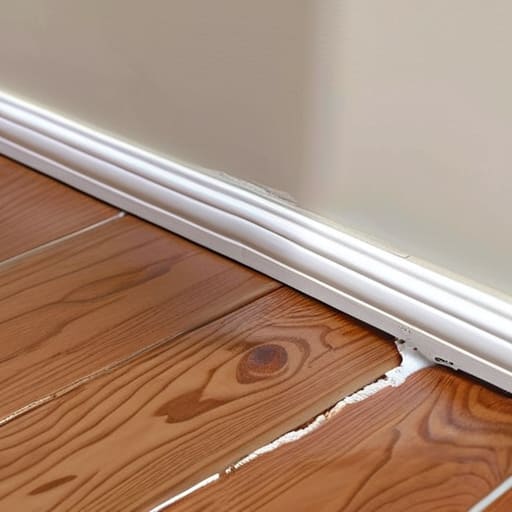
Think of your home like a piece of vintage furniture you’re restoring; you can’t just sand the surface and call it a day if there are deep cracks in the wood. The same goes for your walls and baseboards. I’ve learned the hard way that even a gap the size of a credit card is basically a VIP entrance for ants or roaches. Instead of stressing over a deep clean every single day, focus on sealing cracks and crevices around your windows, doors, and where pipes enter the walls. A quick run with a tube of silicone caulk is a low-effort, high-reward way to build a physical barrier that actually lasts.
While you’re down there on your hands and knees, take a peek under the sink too. I always tell myself that moisture control to prevent bugs is just as important as the physical seals. A tiny, slow leak under the kitchen sink is like an open invitation for pests to set up camp. If you catch those damp spots early and seal the entry points, you’re building a defense system that works for you, even when your schedule gets chaotic.
Moisture Control to Prevent Bugs Without a Total Remodel

If you’ve ever noticed a sudden uptick in ants or silverfish, don’t immediately assume your house is falling apart. More often than not, they aren’t looking for a fight; they’re just looking for a drink. Most bugs are drawn to dampness, so moisture control to prevent bugs is really about managing the humidity in your own micro-environments. I always tell people to check under the kitchen sink or around the base of the dishwasher first. A tiny, slow leak might not be a structural emergency, but it’s basically a luxury resort for pests.
You don’t need a contractor to fix this. Start by wiping down your sinks before bed and ensuring your bathroom fan actually does its job. If you have a basement or a corner that always feels a bit heavy with air, a small dehumidifier can be a total game-changer. It’s one of those low-effort, high-reward tweaks that keeps your space feeling dry and, more importantly, unappealing to unwanted guests. It’s not about achieving a sterile environment; it’s just about making sure your home isn’t accidentally inviting the neighbors in.
Small Shifts: 5 Low-Stress Ways to Keep the Uninvited Guests Away

- Stop the Buffet: You don’t need a sterile kitchen, but try to keep your counters clear of open snack bags and crumbs. If you can’t do the dishes immediately, at least give them a quick rinse so there’s no leftover food residue acting as a dinner bell for ants.
- Manage Your Trash Routine: It’s easy to let the bin overflow when you’re busy, but a heavy-duty lid is your best friend here. Make sure your kitchen bin is tightly sealed, and if you’re dealing with something particularly smelly—like seafood scraps—toss it in a small bag and take it straight to the outside bin.
- Declutter the “Hidden” Spots: We all have that one corner or that stack of cardboard boxes in the pantry. Pests love cardboard because it’s easy to chew and provides great hiding spots. Swap those old boxes for some clear plastic bins; they’re easier to organize and way less inviting for a bug colony.
- Strategic Pantry Organization: I’m a big fan of airtight containers, not just for the aesthetic, but because they actually work. Moving your flour, cereal, and pasta into sealed glass or plastic jars is a massive win for preventing pantry moths and weevils from moving in.
- Outdoor Buffer Zones: You don’t need a professional landscaping crew, but keep an eye on what’s hugging your house. Trim back any branches that are touching your windows or roof, and make sure your mulch isn’t piled up directly against the foundation. Creating just a little bit of breathing room can make a huge difference.
The Mindset Shift
“Preventing pests isn’t about achieving a sterile, showroom-ready house; it’s about creating a space that’s just functional enough to stop them from moving in. We’re building defenses, not chasing perfection.”
Audrey Lin-McCallum
Keeping the Peace (And the Pests) Away
At the end of the day, keeping your space pest-free isn’t about achieving some impossible standard of sterile perfection. It’s really just about managing the basics: sealing those sneaky entry points, keeping an eye on moisture levels, and making sure your food storage is actually working for you. You don’t need to spend your entire weekend on a deep-clean marathon; you just need to build small, repeatable habits that address the most likely problem areas. If you can tackle the cracks in the baseboards and keep the sink area dry, you’ve already won most of the battle without needing a professional crew to overhaul your entire life.
I know how easy it is to look at a home maintenance checklist and feel immediately overwhelmed, but try to remember that you are building a system, not a museum. If you miss a week of checking the pantry or forget to caulk a small gap around the window, it’s not a failure—it’s just a part of living in a real, breathing space. Focus on those incremental improvements that make your home feel like a sanctuary rather than a chore list. You’re doing great, and honestly, a functional home is much better than a perfect one any day of the week.
Frequently Asked Questions
I’ve already sealed the obvious gaps, but how do I know if I'm missing the sneaky spots behind appliances or baseboards?
Honestly, it’s the places we don’t look every day that trip us up. I always grab my flashlight and do a “low-angle sweep.” Get on your hands and knees and check the dark gaps behind the fridge or under the stove—heat and crumbs are basically a five-star hotel for pests. Also, check where your baseboards meet the floor; if there’s even a tiny wiggle, that’s a highway for them.
Are there any DIY, non-toxic ways to keep bugs away that won't make my apartment smell like a chemistry lab?
I totally get it—I don’t want my living room smelling like a science experiment just because I’m trying to avoid ants. Honestly, peppermint oil is your best friend here. Grab a spray bottle, mix some with water, and spritz your baseboards; it smells fresh and bugs hate it. You can also try diatomaceous earth in those tiny, hidden crevices. It’s a natural powder that’s super effective but stays low-key and scent-free.
If I’m already seeing a few pests, does that mean my prevention systems failed, or is it time to call in the professionals?
Look, seeing a stray ant or a rogue spider doesn’t mean you’ve failed your “system.” Even the best-sealed apartment has tiny gaps, and life happens. Think of it as a diagnostic check rather than a defeat. If it’s just a few stragglers, double down on your crumb-clearing and moisture control. But if you’re seeing them in groups or during the day, that’s your signal that the problem is deeper than a DIY fix. That’s when you call in the pros.