I spent three hours last weekend staring at a single, harsh overhead light in my living room, wondering why I felt like I was sitting in a sterile dentist’s office instead of a cozy home. We’ve all been there—scrolling through Pinterest and seeing these perfectly staged, glowing sanctuaries, only to realize that most of those home lighting tips are designed for a photoshoot, not for actual human beings living real lives. You don’t need a massive renovation or a designer’s budget to fix the vibe; you just need to stop treating your light switches like they’re the only way to see.
I’m not here to tell you how to make your apartment look like a museum or how to pick out the most expensive designer pendant lights on the market. Instead, I want to share the practical, low-effort ways I’ve learned to layer light so it actually supports how I move through my day. We’re going to talk about finding the sweet spot between “too dark to find my keys” and “too bright to relax,” focusing on functional setups that work with your existing furniture and your very real, very busy schedule.
Table of Contents
Mastering Ambient vs Task Lighting for Busy Schedules
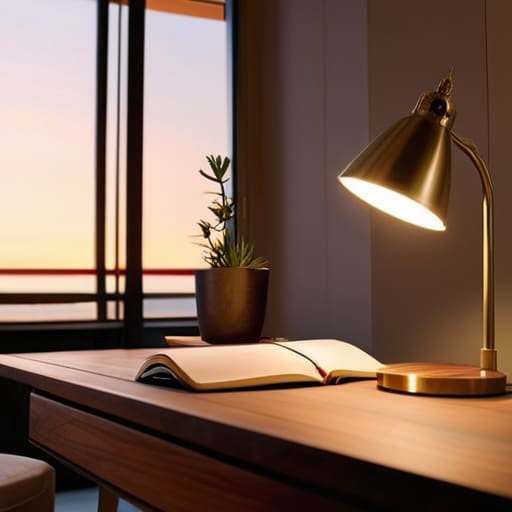
Look, I spent way too many years trying to live under one giant, aggressive overhead light that made my apartment feel like a sterile doctor’s office. It’s exhausting. To actually enjoy your space, you need to understand the difference between ambient vs task lighting. Think of ambient light as your base layer—the soft, general glow that fills the room so you aren’t tripping over the coffee table. Task lighting, on the other hand, is all about function. It’s that focused lamp on your desk when you’re tackling a freelance project or the bright light over your stove when you’re actually trying to cook something that isn’t toast.
The real magic happens when you start layering light in interior design to match your energy levels. If you’re winding down after a long day, you don’t want to be squinting under a harsh bulb; you want soft, indirect sources. I’m a huge advocate for installing a few dimmer switches if you can swing it. It’s a small tweak that lets you transition your home from “high-productivity workspace” to “low-key relaxation zone” without having to move a single piece of furniture.
The Practical Magic of Layering Light in Interior Design
When people talk about layering light in interior design, they often make it sound like some high-end architectural feat involving expensive recessed cans and designer pendants. In reality, it’s much simpler than that. It’s just about making sure you aren’t reliant on one single, harsh overhead light that makes your apartment feel like a sterile doctor’s office. I like to think of it as building a “light sandwich.” You start with your base layer, then add functional layers for specific tasks, and finally, a bit of mood.
The real trick to making this work without breaking the bank is playing with warm vs cool light temperatures. I always tell my friends to lean into warmer tones for the living areas; it’s much more forgiving on the eyes after a long day of staring at a laptop. If you can, install a few dimmer switch benefits into your setup—even just a cheap plug-in version for a floor lamp. It gives you that instant ability to shift the vibe from “I need to find my lost keys” to “I am officially off the clock” without having to rewire your entire life.
Five Lighting Hacks That Won't Break Your Budget (or Your Sanity)
- Swap out those harsh, clinical overhead bulbs for “warm white” ones. I used to think I needed bright lights to see better, but all it did was make my apartment feel like a dental office. A warmer tone instantly takes the edge off a long workday.
- Get some plug-in dimmers. You don’t need a full electrical renovation to change the vibe; just grab a cheap dimmer plug for your floor lamps. It’s the easiest way to transition from “I need to focus on this spreadsheet” mode to “I am officially done for the day” mode.
- Stop ignoring your corners. Most people only light the center of the room, which leaves the edges in shadow and makes the space feel smaller. Tucking a small, inexpensive lamp into a dark corner can actually make your entire living area feel more expansive and intentional.
- Use battery-powered puck lights under your kitchen cabinets. If you’re renting and can’t drill into the backsplash, these are a lifesaver. They give you that high-end task lighting for chopping veggies without the permanent commitment or the electrician’s bill.
- Aim for “eye-level” light whenever possible. Instead of relying on lights that blast you from the ceiling, use table lamps and floor lamps. It creates a much softer, more human-centric glow that feels cozy rather than interrogational.
Forget the Pinterest Aesthetic
Stop trying to light your home like it’s a professional photo shoot; start lighting it for the person who actually has to live there, whether that means a dim lamp for your evening wind-down or a bright task light so you aren’t squinting while you meal prep.
Audrey Lin-McCallum
Making It Work for You
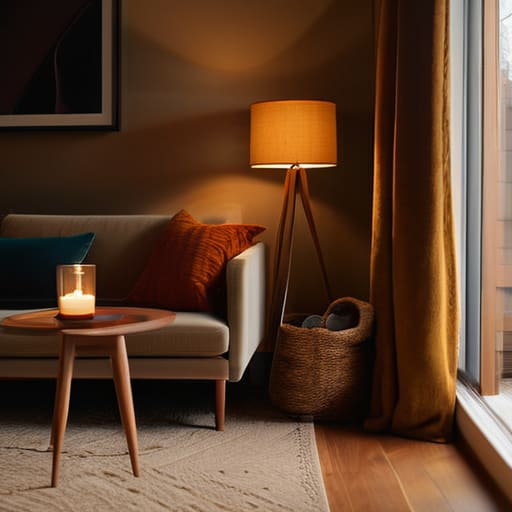
At the end of the day, don’t get paralyzed by the idea that you need a professional electrician or a massive budget to fix your lighting situation. We’ve talked about how much difference it makes to stop relying on that one harsh overhead light and start layering in small, intentional sources like a decent task lamp for your desk or a warm floor lamp by your favorite chair. Whether you’re mastering the balance between ambient and task lighting or just finally adding a little depth to a dark corner, the goal is to create a space that supports your actual habits. It’s about building a system that works for your real life, not trying to recreate a showroom floor that feels cold and uninviting.
If you’re feeling overwhelmed by all the options, just start with one corner of one room. Grab a lamp you already own, move it to where you actually spend your time, and see how it feels. Lighting is one of those small, incremental shifts that can completely change your mood after a long workday. You don’t need a Pinterest-perfect home to have a space that feels cozy and functional; you just need a setup that lets you breathe. So, go ahead and turn off that big light and start building a home that actually feels like yours.
Frequently Asked Questions
I live in a tiny studio apartment with zero overhead lighting—how do I layer light without making the place feel cluttered or crowded?
I’ve been exactly where you are—staring at a single, depressing overhead bulb in a tiny space. Since you can’t rewire the place, think vertically. Instead of more floor lamps that eat up precious square footage, try plug-in wall sconces or even battery-operated LED puck lights tucked into bookshelves. Aim for “zones”: a small task lamp on your desk and a warm glow near your bed. It creates depth without the clutter.
Are there specific smart bulb brands that actually work with my existing lamps, or am I going to spend a fortune replacing everything?
Honestly, please don’t go out and replace all your lamps. That’s a fast track to unnecessary spending and clutter. Most smart bulbs, like Philips Hue or even the more budget-friendly TP-Link Kasa line, screw right into your existing sockets. Just double-check your bulb base (E26 is the standard) and the wattage limit on your lamp. It’s much easier to swap a bulb than to overhaul your whole setup.
How do I find a balance between "cozy" lighting and actually being able to see what I'm doing when I'm working on a project at the kitchen table?
This is the classic “vibe vs. visibility” struggle. I used to live in a dim, amber-lit cave because it felt cozy, but I ended up squinting so hard at my laptop I had a headache by 7 PM. My fix? Don’t choose one; use both. Keep your warm, dim overheads or accent lamps for the “cozy” feel, but grab a dedicated, adjustable task lamp for the table. It gives you focused light exactly where you need it without killing the mood.