I was halfway through scrubbing a mystery puddle off my kitchen floor last Tuesday when I realized I couldn’t even find the spray bottle because it was buried under a graveyard of half-empty sponges and ancient, leaking dish soap bottles. If you’ve ever spent ten minutes digging through a dark, damp abyss just to find a single scrub brush, you know exactly the kind of chaos I’m talking about. Most “expert” guides on how to organize under the sink want you to go out and buy a $50 set of custom acrylic drawers and matching labels that look great in a photo but fall apart the second they touch actual cleaning chemicals. Honestly? That’s just expensive clutter with a better marketing budget.
I’m not here to help you curate a museum-quality cabinet; I’m here to help you build a system that actually survives a Tuesday morning. We’re going to skip the aesthetic fluff and focus on functional, low-cost solutions—think repurposed bins and clever use of vertical space—that fit into your actual, busy life. My goal is to show you how to reclaim that dead space so you can grab what you need and get back to your day without the unnecessary headache.
Table of Contents
Kitchen Cabinet Decluttering Tips for Busy Schedules
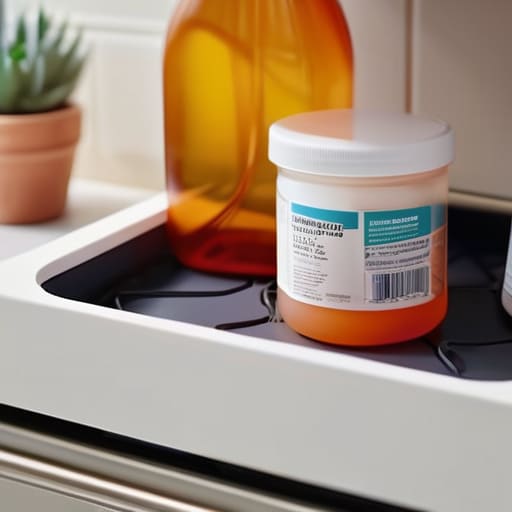
Look, I get it. You have exactly fifteen minutes between finishing a Zoom call and starting dinner, and the last thing you want to do is perform a deep-dive purge of your entire kitchen. When it comes to kitchen cabinet decluttering tips that actually stick, the secret is to stop treating it like a massive weekend project and start treating it like a series of micro-tasks. Instead of emptying everything onto the floor, just pick one single shelf or one corner. If you find a bottle of soy sauce that expired during the Obama administration, toss it. Small wins build momentum without the burnout.
Once you’ve cleared the junk, focus on maximizing small cabinet space by grouping things by how you actually use them. I’m a huge fan of using clear bins for my cleaning supplies; it stops that inevitable “clutter avalanche” when you open the door. If you’re feeling a little more ambitious, investing in some under sink pull out organizers can be a total game-changer for reaching those bottles hiding in the dark back corners. It’s not about making it look like a magazine spread; it’s about making sure you aren’t wrestling with your own cabinets every time you need a sponge.
Maximizing Small Cabinet Space Without the Aesthetic Stress
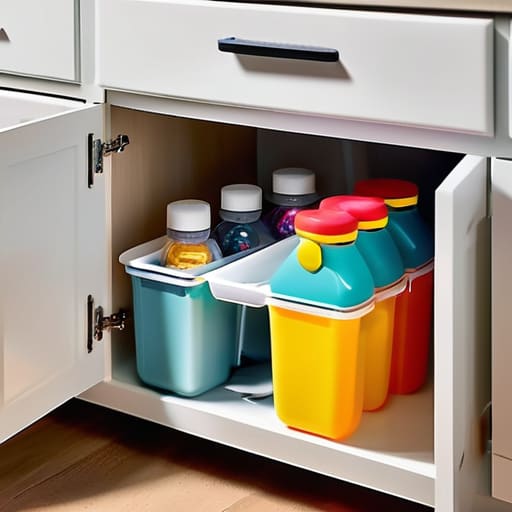
Look, I’ve spent way too many mornings wrestling with a leaking bottle of dish soap because I couldn’t find the sponge buried under a pile of half-empty sponges. If you’re trying to master maximizing small cabinet space, stop looking at those expensive, custom-built wooden inserts. Most of the time, the best move is to go vertical. I’m a huge fan of using stackable, clear bins or even those tension rods you use for shower curtains to hang spray bottles. It keeps the floor of the cabinet clear and prevents that dreaded “clutter landslide” every time you open the door.
If you really want to level up without losing your mind, look into under sink pull out organizers. They aren’t just for fancy kitchens; even a simple sliding drawer can save you from having to get on your hands and knees just to find the multi-tool I always keep nearby. Also, do yourself a favor and grab some waterproof cabinet liners. They aren’t about looking pretty; they’re about the fact that spills happen, and I’d much rather wipe down a liner than scrub a warped wooden shelf for twenty minutes.
Five Low-Stress Ways to Reclaim Your Cabinet Space
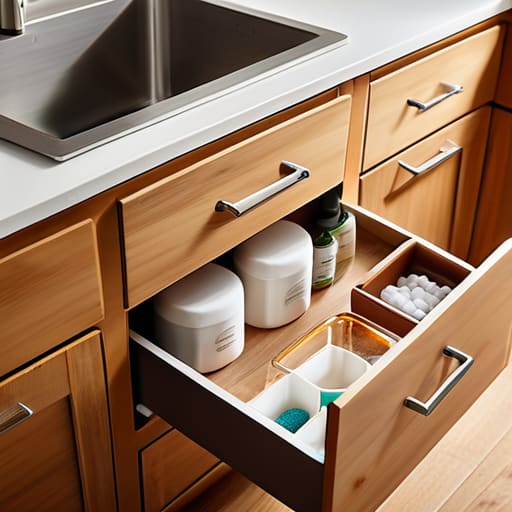
- Stop hunting for the sponge. Grab a few cheap, clear plastic bins—not the fancy bamboo ones that look great on Instagram but cost a fortune—and group your stuff by “task.” One bin for dish soaps and scrubbers, one for trash bags, and one for those random cleaning sprays. If you can see what’s inside, you won’t end up buying a third bottle of Dawn because you couldn’t find the first two.
- Embrace the vertical space. Most of us ignore the actual doors of our cabinets, which is a huge mistake. I swear by those simple adhesive hooks or even just a small tension rod. Hang your dish brushes, spray bottles, or even a small scrub sponge there. It gets the clutter off the floor of the cabinet and keeps it right where you need it.
- Use a tiered organizer for the “little things.” You know that pile of half-used sponges, tiny scrub pads, and random packets of dishwasher pods? They always end up in a messy heap at the back. A simple two-tier sliding shelf or even just a small step-stool style organizer lets you stack things without burying the items you actually use every day.
- Don’t fight the plumbing. The biggest headache under the sink is always that awkward space around the pipes. Instead of trying to force a huge, bulky bin into a spot where it won’t fit, get some smaller, modular containers that can “snake” around the pipes. It’s much better to have three small, oddly shaped bins than one large one that leaves a massive, unusable gap.
- Keep a “quick-fix” kit handy. Since I grew up in a small apartment where every inch mattered, I learned that having a designated spot for the essentials saves so much time. Keep a small caddy with a multi-tool, some heavy-duty wipes, and a microfiber cloth right there. If a leak starts or something spills, you aren’t running across the house to find a rag; you’re already prepared.
Systems Over Aesthetics
“Look, I don’t care if your cleaning supplies are in matching bamboo canisters or just mismatched Tupperware you found in the back of your pantry; if you can grab the spray bottle without causing a landslide of sponges, you’ve already won.”
Audrey Lin-McCallum
Final Thoughts on Making It Work
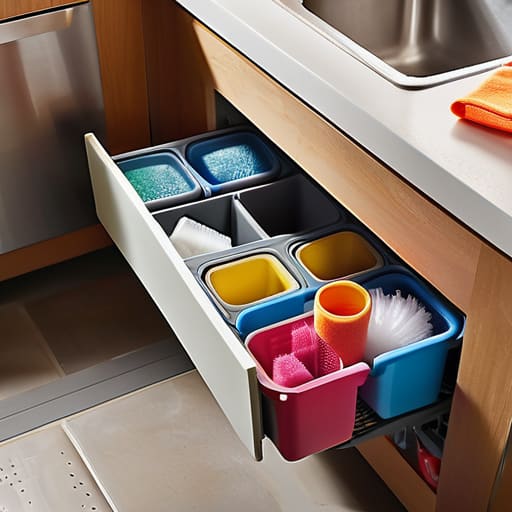
At the end of the day, organizing your under-sink area isn’t about achieving some level of magazine-ready perfection; it’s about making sure you aren’t wrestling with a tangled mess of sponges and half-empty spray bottles every time you need to wipe down the counter. We talked about decluttering with intention, using cheap bins to create zones, and maximizing those awkward corners without spending a fortune on fancy organizers. If you’ve managed to group your cleaning supplies together and cleared out the expired bottles, you’ve already won. The goal was to create a system that serves you, not a project that adds more stress to your already packed week.
Don’t let the “perfect” version of this project living in your head stop you from starting the real one. If your cabinets aren’t color-coded or labeled with a label maker, it doesn’t matter. What matters is that when you reach for the dish soap, you actually find it on the first try. Life is messy, our homes are lived-in, and our schedules are chaotic—and that is perfectly okay. Just take it one bin at a time, build something that functions for your specific needs, and give yourself some credit for making your space a little bit easier to navigate.
Frequently Asked Questions
I don't have a lot of floor space under there—what are some ways to use the actual door or the sides of the cabinet?
Since we’re working with a tiny footprint, we have to stop thinking about the floor and start thinking about the walls. I’m a huge fan of adhesive command hooks for hanging scrubbers or even small spray bottles. If you can drill, screw-in spice racks or slim wire baskets onto the inside of the door are total game-changers. It gets the bulky stuff off the “floor” and keeps your most-used items right at eye level.
How do I keep everything from getting damp or smelling weird if I have a tiny leak or just general humidity?
First off, if you’ve got a persistent leak, don’t play hero—get that plumber on speed dial before your wood cabinets swell up like a sponge. But for general humidity or those “is that a smell?” moments, grab some moisture absorbers or even just a handful of silica packets to toss in the back. I also swear by a little cedar block or a charcoal bag; they soak up odors and dampness without making your kitchen smell like a perfume shop.
Is it worth buying those expensive pull-out drawers, or can I just make something work with what I already have in my junk drawer?
Honestly? Save your money. Those fancy, custom pull-out drawers are great if you have a massive budget and zero life, but they aren’t a magic fix for clutter. I’ve found that a few cheap, stackable plastic bins or even some sturdy shoeboxes do the exact same job. Just grab what you have, group like with like, and create some “zones.” It’s about functionality, not a showroom finish.