I’m going to say something that might get me kicked off certain lifestyle blogs: I don’t care if your living room looks like a museum, and frankly, you shouldn’t either. We’ve all seen those videos of people color-coding their spice racks or spending six hours a day deep-cleaning baseboards with a toothbrush, but let’s be real—that isn’t a lifestyle, it’s a full-time job. If you’re constantly feeling defeated because you can’t figure out how to keep your house tidy in a way that feels sustainable, it’s probably because the advice you’re getting is designed for people with zero responsibilities and infinite time.
I’m not here to sell you on a “minimalist aesthetic” that requires you to throw away everything you love. Instead, I want to share the low-maintenance systems I’ve developed while juggling freelance projects and living in small, cramped spaces. I’m going to show you how to build functional habits that actually stick, focusing on small, incremental wins that work with your real-world schedule. We aren’t chasing perfection here; we are building a home that actually works for you.
Table of Contents
Practical Decluttering Techniques for Beginners Who Have Zero Time
If you’re staring at a mountain of stuff and feeling that immediate urge to close your eyes and pretend it isn’t there, I get it. When you’re juggling a million things, the idea of a weekend-long purge feels impossible. Instead of trying to tackle the whole house, try the “Five-Minute Dash.” Set a timer on your phone and see how many things you can put back in their actual homes before it goes off. It’s not about deep cleaning; it’s about small wins. Using these quick decluttering techniques for beginners helps you build momentum without the mental burnout.
Another trick I swear by is the “One-In, One-Out” rule. If you bring home a new plant or a cozy sweater, something else has to go—either to donation or the trash. It’s a simple way of preventing household clutter before it even has a chance to settle in. You don’t need a complex, rigid system; you just need a few tiny habits that act as your personal home organization systems. If it doesn’t serve a purpose or bring you a bit of joy, it’s just taking up valuable real estate in your life.
Building Home Organization Systems That Actually Fit Your Real Life
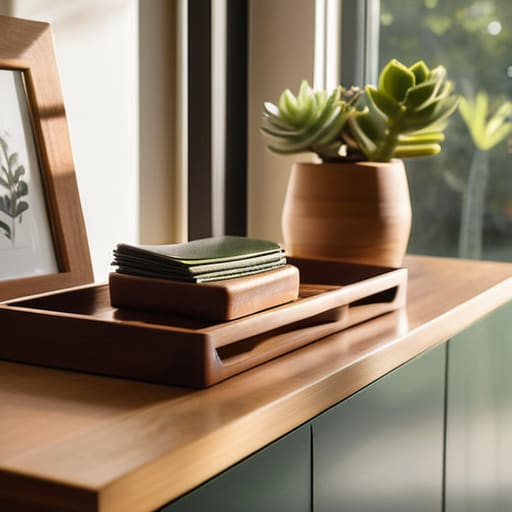
The mistake most of us make is trying to build a system for the person we wish we were—the one who spends Saturday mornings color-coding a pantry. In reality, we need home organization systems that account for the fact that we’re often running on caffeine and sheer willpower. Instead of buying a dozen matching acrylic bins, look at your natural friction points. If your mail always ends up in a chaotic pile on the kitchen island, don’t fight it; just put a dedicated, attractive catch-all tray right there. The goal isn’t to change your behavior, but to design your space to accommodate it.
I’m also a huge advocate for the “one-touch rule” to help with preventing household clutter before it even starts. If you pick something up, try to put it exactly where it belongs rather than setting it down in a “temporary” spot. We all know those temporary spots eventually become permanent junk zones. By making these tiny, almost invisible adjustments to how you move through your home, you create a flow that feels intuitive rather than like a second job.
Five Low-Effort Habits to Stop the Chaos Before It Starts
- The “One-Touch” Rule: If you pick something up, don’t put it down in a “temporary” spot. If you take off your coat, hang it up immediately instead of tossing it on the chair. It takes three seconds now, but saves you thirty minutes of frantic searching later.
- The 10-Minute Reset: Set a timer before you sit down for the evening. Don’t try to deep clean; just do a quick sweep of the common areas—clear the coffee table, toss the mail, and straighten the cushions. It keeps the “mess creep” from taking over your living room.
- Create “Landing Strips”: Designate specific, easy-to-reach spots for the things that always seem to migrate—keys, wallets, and chargers. If there isn’t a dedicated home for your essentials near the door, they’ll end up scattered across every flat surface in the house.
- Use the “Don’t Leave Empty-Handed” Trick: Whenever you’re moving from one room to another, scan for one thing that doesn’t belong. Moving from the living room to the kitchen? Grab that empty coffee mug on your way. It’s a way to tidy incrementally without it ever feeling like a “chore.”
- Stop Buying “Organizers” Until You Have a System: I see this all the time—people buy a bunch of cute bins before they actually know what they’re storing. Figure out where your stuff wants to live first, then find a functional way to keep it there. A bin is just a glorified trash can if you don’t have a plan for it.
The Real Goal of Tidying
“Stop trying to curate a showroom and start building a home that actually supports your lifestyle. A tidy house isn’t about achieving a perfect aesthetic; it’s about creating enough breathing room so that your space works for you, instead of you constantly working for it.”
Audrey Lin-McCallum
Let’s Keep It Real
At the end of the day, keeping a tidy house isn’t about achieving some unattainable, museum-quality standard of cleanliness. It’s about those small, intentional wins we talked about—whether that’s using the “one-minute rule” to tackle quick tasks or finally setting up a landing strip by your front door so your keys don’t vanish into the abyss every morning. We’ve covered how to declutter without losing your mind and how to build systems that actually work with your schedule, rather than forcing you to work around a rigid set of rules. Remember, the goal is to reduce the friction in your daily routine, not to add another massive chore to your already overflowing to-do list.
If you find yourself slipping back into chaos—and let’s be honest, we all do—don’t beat yourself up. Life happens; projects get messy, guests arrive unexpectedly, and sometimes you’re just too exhausted to care about the laundry pile. The secret isn’t being perfect; it’s being resilient enough to start again whenever you’re ready. Focus on building sustainable habits that serve your well-being, not your ego. You’re building a home that supports your life, not a showroom that demands your constant attention. You’ve got this.
Frequently Asked Questions
How do I stop the "doom piles" from constantly reappearing in the same spots every week?
Those “doom piles” aren’t a personal failure; they’re actually a signal. Usually, a pile forms because the current system is too high-friction. If your mail always lands on the entryway table, it’s because that table isn’t a “destination” for mail. Stop fighting the pile and start looking at the path. Try placing a small basket exactly where the pile naturally forms. If the stuff has a dedicated home right there, the pile disappears.
I can handle the big decluttering sessions, but how do I stay consistent when I'm exhausted after work?
Look, I get it. After a ten-hour day, the last thing you want to do is tackle a junk drawer. When you’re running on empty, stop aiming for “clean” and aim for “reset.” Try the “Ten-Minute Tidy” or the “One-In, One-Out” rule. Just pick one small zone—like clearing the kitchen island—and call it a win. Consistency isn’t about intensity; it’s about doing the tiny, low-effort things that prevent the chaos from snowballing.
Is it worth investing in fancy organizational bins, or should I just use what I already have in my cabinets?
Honestly? Save your money. I see people spend hundreds on matching acrylic bins only to realize they don’t actually solve the clutter problem—they just hide it behind something pretty. Start with what you have. Use old shoeboxes, glass jars, or even just grouping things together on a tray. Once you’ve mastered a system that actually works for your daily flow, then you can invest in something aesthetic. Function first, fancy later.