There is nothing quite like the sudden, sinking realization that you’re staring at a pool of gray, stagnant water in your kitchen sink while the clock is ticking toward a deadline. I learned that lesson the hard way during my first solo apartment move-in, standing there with a pile of dishes and absolutely no idea how to unclog a drain without calling an expensive plumber. Most people think you need a chemistry degree or a heavy-duty industrial snake to fix it, but honestly? That’s just a recipe for wasted money and a bigger mess.
I’m not here to sell you on some “miracle” caustic liquid that’s going to melt your pipes and ruin your afternoon. Instead, I want to show you how to tackle this with the tools you likely already have in your junk drawer. We’re going to walk through a few realistic, step-by-step methods—from the classic plunger technique to some smarter, DIY hacks—that focus on getting your life back to normal. My goal is to help you solve the problem efficiently so you can stop worrying about the plumbing and get back to what actually matters.
Table of Contents
Guide Overview
Tools & Supplies
- Plunger – Cup style for sinks or flange style for toilets
- Drain Snake – Handheld auger for deeper clogs
- Baking Soda – 1/2 cup
- White Vinegar – 1/2 cup
Step-by-Step Instructions
- 1. First things first, let’s clear the deck. If there’s standing water in the sink, you’re going to need to scoop it out with a cup or a small bowl and dump it into a bucket. It’s not the most glamorous part of the process, but trying to work through a pool of murky water is just asking for a mess you’ll regret later.
- 2. Grab your plunger—and please, make sure it’s the right kind. If you’re dealing with a sink, you want the flat-bottomed one, not the flange style meant for toilets. Give the plunger a quick rinse, position it so it completely covers the drain, and make sure there’s enough water to submerge the rubber cup. You want a tight seal to create that necessary suction.
- 3. Now, get to work with some rhythmic, forceful plungings. You aren’t trying to smash the pipes; you’re trying to create pressure shifts that wiggle the clog loose. Aim for about 10 to 15 quick, vigorous pumps. If you feel that sudden “whoosh” and the water starts swirling down, you’ve likely won the battle.
- 4. If the plunger didn’t do the trick, it’s time to get a little more hands-on. I always keep a small screwdriver in my kit for this exact reason. Pop the stopper out of the drain, and if you’re feeling brave, unscrew the P-trap (that U-shaped pipe underneath the sink). Just pro tip: put a bucket underneath first, because that pipe is definitely going to hold some old, gross water.
- 5. Once that pipe is off, take it over to another sink or use a garden hose to flush out whatever gunk is living inside. Usually, it’s just a nasty buildup of hair, soap scum, or food scraps. Once the pipe is clear, inspect the connection points to make sure nothing is cracked or stripped before you screw everything back together.
- 6. If you’re still staring at a stubborn clog after cleaning the trap, try the old-school baking soda and vinegar trick. Pour about half a cup of baking soda down the drain, followed by half a cup of white vinegar. It’ll fizz like a middle school science project, which is actually a good sign. Let it sit for about fifteen minutes to let the chemical reaction do the heavy lifting, then flush it with a kettle of boiling water.
- 7. Finally, once the water is flowing freely again, let’s prevent a repeat performance. I’m a big believer in “set it and forget it” systems, so grab a cheap mesh drain strainer. It’s a tiny investment that keeps hair and debris from ever reaching your pipes in the first place, saving you from having to do this all over again next month.
Ditch the Chemicals for Natural Drain Cleaner Remedies
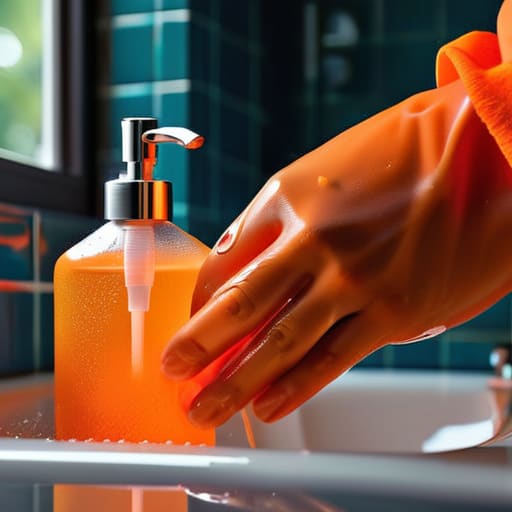
Look, I get the temptation to just pour a bottle of neon-colored, caustic liquid down the pipes and call it a day. It feels like the “fast” way to solve the problem, but honestly? Those chemicals are brutal on your plumbing and even worse for your lungs. Plus, if you’re like me and living in a place with older pipes, you don’t want to be melting your infrastructure just to clear some soap scum.
Instead, I always lean on the baking soda and vinegar drain method. It sounds like something straight out of a middle school science fair, but it actually works surprisingly well for minor buildup. You just pour in the baking soda, follow it with the vinegar, let it fizz away for a bit, and then flush it with some boiling water. It’s much gentler on the system and significantly cheaper.
If the fizzing doesn’t do the trick, you might be dealing with something more stubborn, like removing hair from bathroom drains that has tangled itself into a knot. In those cases, you’ll probably need to get a bit more hands-on with a tool, but at least you aren’t breathing in toxic fumes while you do it.
Mastering Plunger Techniques for Sinks That Actually Work
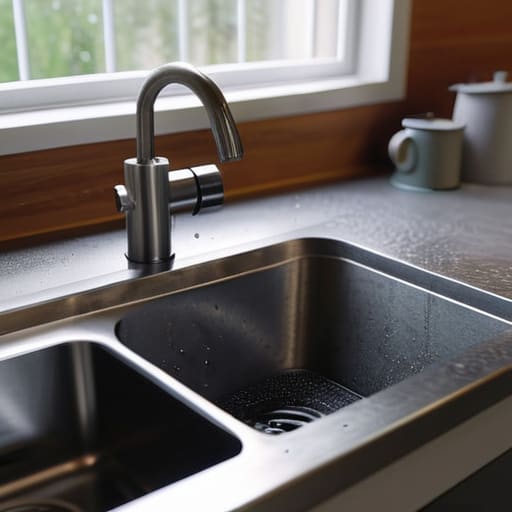
Look, I’ve spent way too many Tuesday nights staring down a stagnant sink, and if there’s one thing I’ve learned, it’s that most people use a plunger all wrong. If you’re just aggressively pumping away at a standard sink, you’re likely just moving water around without actually creating the pressure needed to dislodge the gunk. For a sink, you really want to use a cup plunger—the flat kind—rather than the flange ones meant for toilets. The secret trick? Plug the overflow hole with a damp rag first. If you don’t, the air pressure just escapes through that little gap, and you’re basically just exercising instead of fixing the problem.
Once you have that seal, it’s all about the rhythm. You want a quick, forceful pull upward rather than just pushing down. It’s that suction that does the heavy lifting. If the clog is particularly stubborn, especially when it comes to removing hair from bathroom drains, you might need to graduate to using a plumbing snake to physically break up the blockage. But try the plunger with intent first; it’s much less invasive and usually gets the job done before you have to break out the heavy tools.
A Few Pro-Tips to Keep the Clogs at Bay
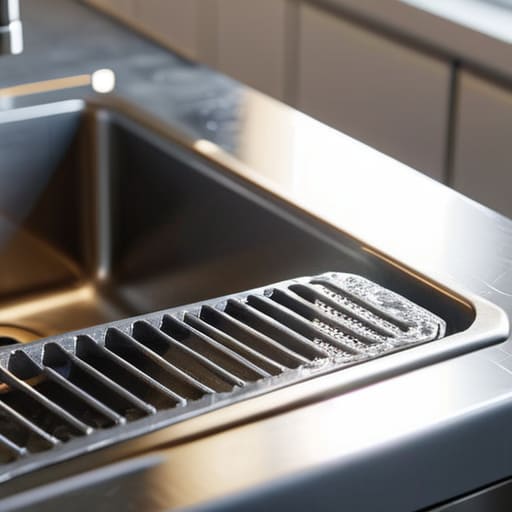
- Get into the habit of using a mesh strainer in your kitchen and bathroom sinks; they cost about two bucks and save you an hour of swearing at your pipes later.
- If you’ve got a hair clog in the shower, don’t wait for it to become a swamp—grab a cheap plastic drain snake (the kind that looks like a long, flexible piece of plastic) and pull the gunk out once a week.
- Avoid pouring grease or cooking oils down the drain like it’s nothing; let them cool in a jar and toss them in the trash instead, or you’ll be dealing with a hardened nightmare in your pipes.
- Once a month, just pour a kettle of boiling water down the drain to help melt away any lingering soap scum or light oils before they turn into a real problem.
- If you notice the water is draining a little slower than usual, treat it as a warning sign rather than an annoyance—that’s your signal to do a quick maintenance check before you’re stuck with a standing pool of gray water.
A Reality Check on Home Maintenance
“A clogged drain isn’t a personal failure or a sign that your house is falling apart; it’s just a tiny, messy hurdle in a busy day. Don’t let a slow sink ruin your momentum—fix it, clear it, and get back to the things that actually matter.”
Audrey Lin-McCallum
You've Got This
At the end of the day, a stubborn sink is just a temporary glitch in your daily routine, not a personal failure. We’ve covered a lot—from skipping those harsh, caustic chemicals in favor of simple baking soda and vinegar, to actually using a plunger with the correct technique instead of just splashing water everywhere. Whether you ended up using a snake or just a bit of elbow grease and a natural remedy, the goal was the same: getting your space back to a state of functional flow. You don’t need a professional plumber on speed dial for every little hiccup; you just need the right tools and a little bit of patience to tackle the problem head-on.
I know that when you’re staring at a pool of murky water in your kitchen sink, it feels like just one more thing on an already overflowing to-do list. But remember, the point of these little DIY wins isn’t to achieve some Pinterest-perfect, spotless home—it’s about the small victories that keep your life moving. Every time you fix something yourself, you’re reclaiming a tiny bit of control over your environment. So, dry off your hands, put your multi-tool back in your bag, and go enjoy the rest of your evening. You earned it.
Frequently Asked Questions
When is it time to stop DIYing and actually call a professional plumber before I cause more damage?
Look, I love a good DIY project as much as the next person, but there’s a fine line between “fixing it” and “making it worse.” If you see water backing up into the tub when you flush the toilet, or if you’ve tried the plunger and the baking soda trick and nothing has budged, stop. If you smell sewage or see water pooling under your cabinets, call a pro. Don’t gamble with your foundation just to save a service fee.
Are there any specific tools I should keep in my "emergency kit" so I'm not scrambling the next time this happens?
Honestly, I learned this the hard way when I was staring at a flooded kitchen at 10 PM. Don’t wait for the disaster to go shopping. Keep a reliable plunger, a small bottle of enzyme-based cleaner, and a decent set of screwdriver bits in a dedicated “utility bin.” I also swear by a cheap drum key or a small zip tie to clear hair from shower drains. It’s much better than a frantic midnight run to the hardware store.
How can I prevent my drains from getting backed up in the first place without using those harsh, expensive cleaners?
Look, the best way to handle a clog is to make sure it never happens. Honestly? Just stop treating your sink like a trash can. I’ve learned the hard way that “flushable” wipes and even certain food scraps are total lies. Once a week, I just pour a kettle of boiling water down the drain to melt away any lingering grease. It’s a tiny, five-minute habit that saves me a massive headache later.