I am so tired of seeing those “aesthetic” smoothie reels where someone spends forty minutes meticulously layering dragon fruit, expensive adaptogen powders, and hand-picked mint leaves into a glass that costs more than my monthly internet bill. If you’re looking for a tutorial on how to make a smoothie that looks like a sunset in a jar, you’re in the wrong place. Real life is messy, and my mornings are usually a frantic scramble between checking my project tracker and finding my keys. I don’t have the bandwidth for a culinary photoshoot every time I need a quick breakfast; I just need something that actually keeps me full until lunch.
Instead, I want to show you how to build a system that actually works for a busy, imperfect schedule. I’m going to walk you through the functional basics of how to make a smoothie using whatever is sitting in your crisper drawer or the back of your freezer. We aren’t chasing a perfect Instagram grid here; we are building a repeatable habit that prioritizes nutrition and speed over visual flair. Let’s get into the grit of it and make something that actually tastes good without the unnecessary overhead.
Table of Contents
Choosing the Best Blender for Smoothies That Actually Last
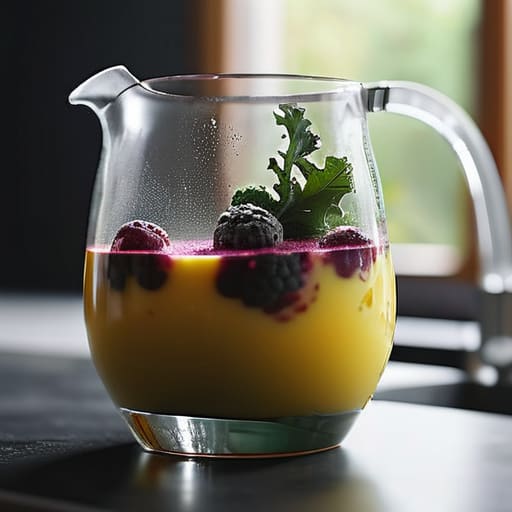
Look, I’ve spent way too much money on “professional grade” kitchen gadgets that now just sit in my cupboard gathering dust because they’re too loud or too much of a pain to clean. When you’re hunting for the best blender for smoothies, don’t get distracted by the flashy LED screens or the marketing hype about “lifestyle blending.” You really just need something with enough torque to handle a handful of frozen kale or some ice without sounding like a jet engine taking off in your kitchen. If you’re like me and tend to throw everything in at once—seeds, frozen berries, the works—you need a motor that won’t give up halfway through.
I personally lean toward something with a high-speed motor but a compact footprint. Since I live in a space where every square inch counts, I can’t justify a massive, heavy-duty beast if a mid-range model does the job just as well. My rule of thumb? Prioritize ease of cleaning over fancy presets. If it isn’t dishwasher safe or easy to rinse out in thirty seconds, you’re going to stop using it by week three. Find that sweet spot between power and practicality so your morning routine actually stays a routine.
Mastering Smoothie Base Ingredients Without the Kitchen Chaos
The biggest mistake I see people make is treating smoothie prep like a high-stakes culinary production. If you’re standing there, staring at a pile of loose spinach and three different half-used bags of berries, you’ve already lost the battle. To keep things from turning into kitchen chaos, you need a system for your smoothie base ingredients. My personal trick? The “dump bag” method. I spend twenty minutes on Sunday portioning out my greens, seeds, and liquids into reusable silicone bags and keep them in the freezer. When my alarm goes off and I’m running ten minutes late, I just grab a bag, toss it in the jar, and go.
When it comes to the actual consistency, the debate of frozen fruit vs fresh fruit is actually pretty simple: go frozen if you want that creamy, milkshake-like vibe without adding a mountain of ice that just dilutes the flavor. If you’re looking for some quick smoothie texture hacks, try using a bit of Greek yogurt or even half an avocado. It adds a velvety richness that makes the whole thing feel much more substantial, even if you’re just rushing through your morning emails.
The "I Actually Have Time for This" Smoothie Strategy
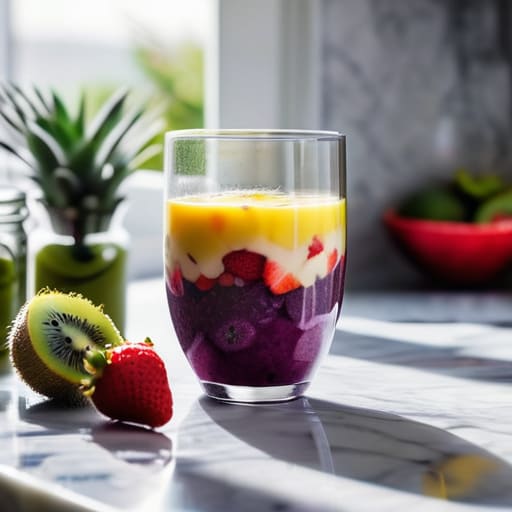
- Stop buying individual smoothie packs. They’re expensive and usually end up at the bottom of the freezer. Instead, spend ten minutes on a Sunday prepping “smoothie kits” in reusable silicone bags—just fruit, greens, and maybe some seeds—so you can grab one and go when the morning chaos hits.
- Master the liquid-to-solid ratio before you even turn the motor on. If you dump everything in at once, you’ll end up fighting a frozen lump of ice. Start with your liquid base, then add your soft stuff, and save the frozen chunks for the very top to help push everything down.
- Embrace the “fridge raid” mentality. You don’t need a $15 list of organic superfoods. That half-eaten banana turning brown on your counter? That’s smoothie gold. That handful of spinach that’s looking a little sad? Throw it in. It’ll disappear into the flavor of the fruit, and you won’t be wasting money.
- Don’t skip the healthy fats, or you’ll be hungry again in twenty minutes. A spoonful of peanut butter, a bit of Greek yogurt, or even some chia seeds makes a massive difference in how long that energy actually lasts. It turns a snack into a functional meal.
- Clean your blender immediately. I know, I know—it’s tempting to leave it in the sink for “later,” but “later” is when the residue turns into cement. Just add a drop of soap and some warm water, run the blender for ten seconds, rinse, and you’re done. Future you will thank you.
The Real Goal of a Morning Smoothie
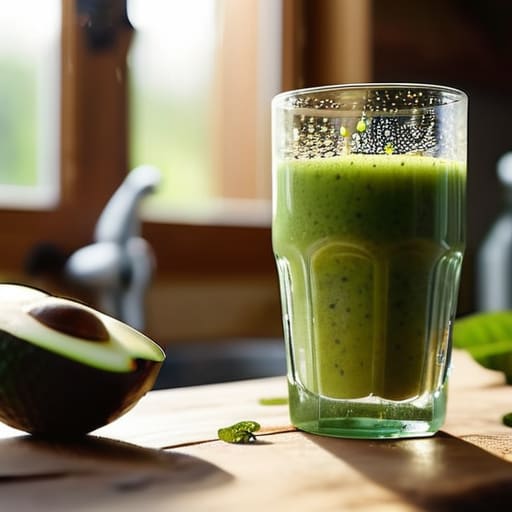
“Stop trying to engineer the perfect, Instagram-worthy green drink every single morning; just throw whatever is actually in your fridge into the blender, get it moving, and call it a win. A functional breakfast beats a beautiful failure every time.”
Audrey Lin-McCallum
Real Smoothies for Real Mornings
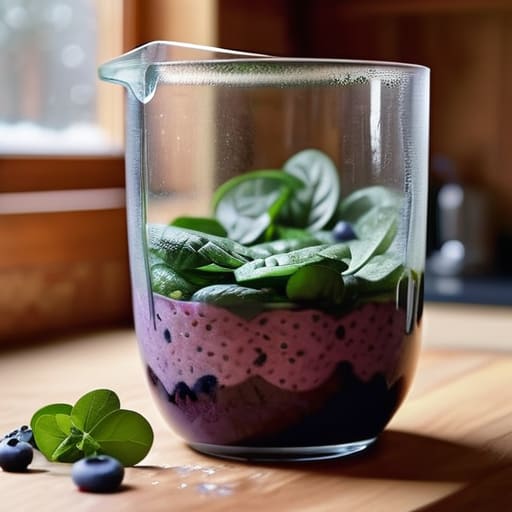
At the end of the day, making a great smoothie isn’t about following a rigid, color-coordinated recipe you saw on a lifestyle blog. It’s about having a reliable blender that won’t quit on you mid-pulse and a handful of versatile base ingredients that you can grab without a mental breakdown. Whether you’re using frozen spinach because it’s cheap, or tossing in whatever half-used bag of berries is hiding in the back of your freezer, the goal is simple: nutrition that actually fits your schedule. Once you have your gear and your go-to staples sorted, the “how-to” part becomes second nature, leaving you with more time to actually tackle your day.
Please, don’t let the pursuit of the “perfect” smoothie become just another item on your overwhelming to-do list. If it tastes decent and it’s getting something good into your system, you’ve already won. We aren’t aiming for a curated masterpiece; we are building a functional habit that supports your actual life. So, grab your blender, throw in what you’ve got, and just start drinking. You’ve got this, and honestly, your future, less-hangry self will definitely thank you for it.
Frequently Asked Questions
How do I stop my smoothies from turning into a literal swamp of frozen chunks?
The “frozen chunk” struggle is real, and honestly, it’s the fastest way to kill my morning momentum. Here’s the trick: stop dumping everything in at once. Always layer your liquids first, then your powders or greens, and save the heavy frozen stuff for the very top. This creates a weight that pushes everything down into the blades. Also, if you’re using frozen fruit, let it sit on the counter for five minutes first. It’s a tiny adjustment, but it saves you from the blender-shake workout.
Is there a way to prep these without spending my entire Sunday meal prepping?
Honestly, if you’re spending your whole Sunday prepping, you’re doing too much. I’m all about the “micro-prep” method. Instead of a massive session, just grab a few freezer bags on a Tuesday night. Throw your chopped spinach, half a banana, and some frozen berries in there. When you’re running late in the morning, you just dump the bag in the blender, add liquid, and go. It’s low effort, high reward.
How do I keep these from being just a glorified sugar bomb?
The trick is to stop treating fruit like the main event and start treating it like the accent. If you’re just blending berries and juice, you’re basically drinking a dessert. I always lean on “stealth” ingredients—think a handful of frozen spinach, some chia seeds, or even half an avocado. They add creaminess and fiber without making it taste like a salad, which helps blunt that sugar spike so you don’t crash by 10 AM.