Let’s be real: most DIY inspiration online feels like it was designed for someone with a massive workshop, a pristine garage, and zero actual responsibilities. I’ve spent way too many afternoons staring at a pile of discarded wood in an alleyway, wondering if I actually have the time or the space to turn it into something useful. We all want a home that feels intentional, but when you’re juggling a freelance schedule and a tiny apartment, you don’t need more clutter—you need actual utility. That’s why I’m obsessed with finding clever pallet project ideas that bridge the gap between “cool aesthetic” and “this actually makes my life easier.”
In this post, I’m skipping the overly complicated builds that require a degree in carpentry and focusing on five projects that are genuinely doable. I’ll show you how to repurpose these wooden slats into functional pieces that solve real-world problems, from maximizing your vertical garden space to organizing that chaotic corner of your home office. By the end of this, you’ll have a roadmap for building systems that work for you, rather than spending your entire weekend chasing a Pinterest trend that doesn’t even hold a coffee mug.
Table of Contents
The Vertical Herb Garden
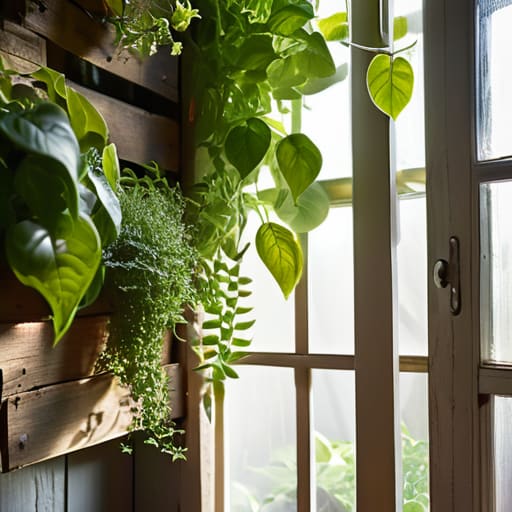
If you’re living in a space where floor real estate is a luxury, stop trying to find room for bulky ceramic pots. I started using a single pallet as a vertical garden against my kitchen window, and it was a total game-changer for my sanity. You don’t need a professional landscape design; just staple some landscape fabric to the back and bottom of the slats to create little pockets for your soil.
The "Everything-in-Its-Place" Entryway Organizer
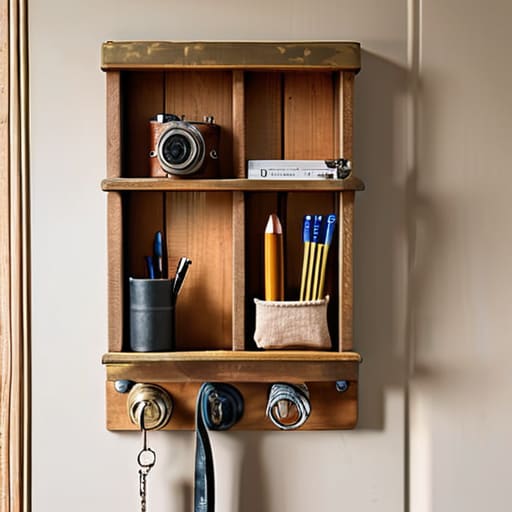
We’ve all had those mornings where we spend ten minutes frantically hunting for keys or a stray mail envelope. I tackled this by mounting a cleaned-up pallet vertically near my front door to act as a command center. You can screw in some small hooks for your keys and even attach a few repurposed tin cans to hold pens or sunglasses.
A Sturdy Low-Profile Coffee Table
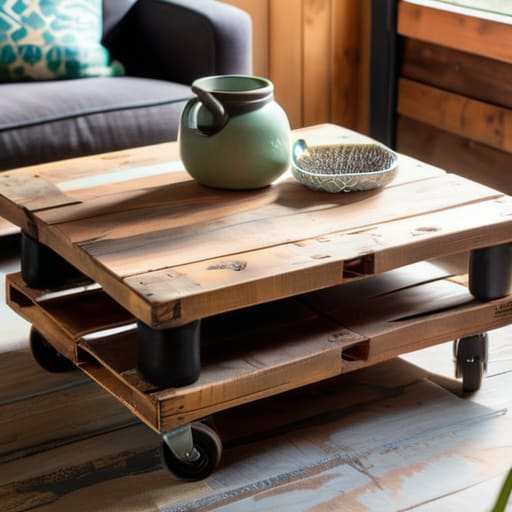
I once found a beautiful vintage wooden chair that was missing a leg, and instead of tossing it, I used a pallet to build a makeshift coffee table that actually felt intentional. You basically just stack two pallets for some extra height, sand them until they’re smooth enough to rest your feet on, and add some simple caster wheels to the bottom.
The Backyard Tool Station
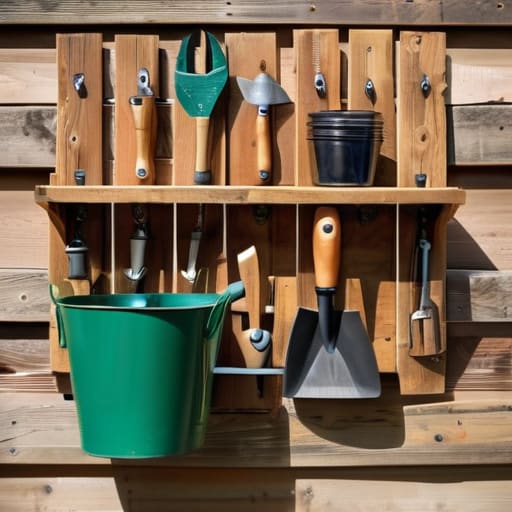
My garage used to be a graveyard of half-finished projects and tangled garden hoses, mostly because I didn’t have a dedicated spot for my gear. I built a simple tool rack using a pallet leaned against the wall, which allowed me to hang my trowels, shears, and even my heavy-duty gloves right where I can see them.
The Modular Side Table for Small Nooks
If you have a tiny reading nook or a cramped corner by your bed, a full-sized nightstand might just feel like clutter. I love using a single pallet slat or a small section of a pallet to create a narrow, slim side table that slides perfectly into those awkward gaps. It provides just enough surface area for a book and a cup of tea without swallowing your entire room.
## Real Talk on Upcycling
“Forget the Pinterest-perfect aesthetic for a second. A pallet project isn’t a failure if it has a few rough edges or a mismatched screw; it’s a win if it actually solves your storage problem or gives your herbs a place to live without breaking the bank.”
Audrey Lin-McCallum
Making It Your Own
At the end of the day, whether you’re setting up a vertical herb garden for your tiny balcony or building a rugged tool rack for your workspace, the goal isn’t to win any design awards. We’ve looked at how these pallet builds can tackle everything from storage chaos to limited greenery, focusing on projects that actually serve a purpose in your daily routine. You don’t need a workshop full of expensive power tools to get started; you just need a few sturdy boards, a screwdriver, and the willingness to get a little sawdust on your floor. It’s all about finding those small, clever ways to reclaim your space without breaking the bank or spending your entire weekend on a single task.
If you’re feeling a bit intimidated by the idea of starting your first build, my best advice is to just dive in. Your first attempt might have a few uneven slats or a slightly wonky corner, but that’s okay—it’s part of the process. Perfection is overrated, and honestly, a piece of furniture that actually holds your stuff is much better than a “perfect” one that stays tucked away in a box. Focus on the functional wins and let the aesthetic evolve as you go. You’re building a life that works for you, one reclaimed pallet at a time.
Frequently Asked Questions
Are there specific types of pallets I should avoid using indoors to make sure I'm not bringing home nasty chemicals or pests?
Look, this is the one area where I tell everyone: don’t just grab whatever is sitting behind the grocery store. Check for the stamps! Avoid anything marked “MB”—that stands for Methyl Bromide, a nasty pesticide that you definitely don’t want breathing in your living room. Stick to “HT” (Heat Treated) pallets. They’re much safer for indoor use. And honestly? If a pallet looks damp or has tiny holes, leave it. No DIY project is worth a pest infestation.
What’s the easiest way to sand these things down without spending an entire weekend just fighting the wood?
Honestly, don’t try to go for a mirror finish unless you actually enjoy spending your entire Saturday covered in sawdust. Grab an orbital sander—it’s a total lifesaver for those uneven pallet surfaces. Start with a coarse grit (like 60 or 80) to knock down the splinters and heavy grime, then quickly hit it with a medium grit. It’s about getting it smooth enough to touch without losing your mind.
Do I really need to seal or paint the wood, or can I just leave them raw and call it a day?
Look, if you’re just building a temporary shelf in a dry corner, you can probably get away with leaving them raw. But if that project is anywhere near moisture—like a garden bed or a porch planter—you really need to seal them. Raw pallet wood is basically a sponge for rot and bugs. If you want your hard work to actually last longer than one season, grab a quick coat of sealant. It’s worth the extra step.