I was sitting on my floor last Tuesday, surrounded by half-finished freelance contracts and a pile of vintage chair legs I promised to sand down, staring at my laptop with the kind of brain fog that feels like trying to run through waist-deep molasses. I had all the productivity apps in the world, but I was still crashing by 2:00 PM every single day. We’ve been sold this lie that effective energy management is about expensive biohacking, sunrise rituals, or some perfectly curated, color-coded calendar that looks great on Instagram but falls apart the second a real-life crisis hits. Honestly? That’s just more clutter for your brain to deal with.
I’m not here to sell you a lifestyle overhaul or a complicated new set of rules to memorize. Instead, I want to talk about building small, functional systems that actually respect your fluctuating capacity. I’m going to share the gritty, trial-and-error methods I use to protect my focus without needing a complete life redesign. We’re going to look at how to work with your natural rhythms rather than fighting against them, so you can get your actual work done and still have enough left in the tank to enjoy your evening.
Table of Contents
Finding Your Biological Prime Time Without the Aesthetic Pressure
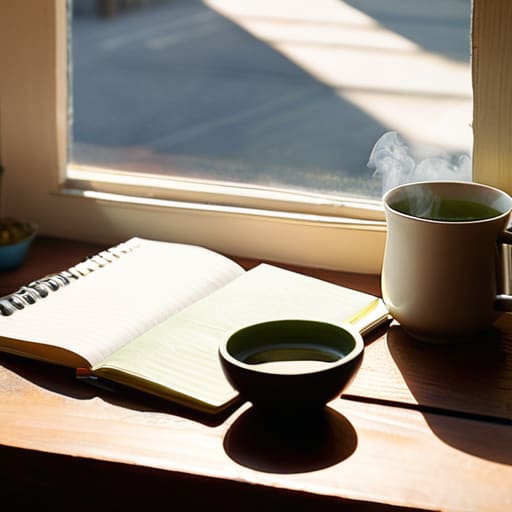
We’ve all seen those “5 AM Morning Routine” videos—the ones with the perfectly sun-drenched linen sheets and the silent, meditative matcha whisking. Honestly? They make me want to go back to sleep. Real life is much messier. Some days my brain feels like a finely tuned engine by 10 AM, and other days I’m basically a sentient potato until my second cup of coffee hits. The trick isn’t forcing yourself into a rigid schedule that looks good on Instagram; it’s about identifying your actual biological prime time.
Instead of fighting your natural inclinations, try tracking your focus levels for a few days. I keep a little scribbled log in my notebook to see when my brain actually wants to do the heavy lifting. This is the core of a functional energy management framework: you stop trying to do deep, analytical work when you’re in a mid-afternoon slump. When you align your hardest tasks with your natural peaks, you aren’t just being productive—you’re protecting your mental bandwidth from unnecessary friction.
Circadian Rhythm Optimization for People With Actual Schedules
Look, I get it. Most advice on circadian rhythm optimization sounds like it was written for someone who lives in a wellness retreat with zero responsibilities. They tell you to wake up at 5:00 AM, meditate for an hour, and soak up direct sunlight before your first meeting. But if you’re juggling freelance deadlines or a commute, that’s just not happening. Instead of trying to overhaul your entire existence, think about small, environmental anchors. If you can’t control when your day starts, you can at least control the light and temperature in your workspace to signal to your brain that it’s time to focus.
It’s also about understanding how your internal clock dictates your cognitive load management. We all have those moments where we stare at a spreadsheet for twenty minutes and nothing happens; that’s usually your body signaling a dip in your natural rhythm. Rather than fighting through the brain fog with a third cup of coffee—which usually just leads to a crash later—try to lean into those low-energy windows for mindless tasks like filing emails or organizing your desk. It’s a much more sustainable way of preventing burnout through energy conservation rather than constant, forced output.
Five Low-Lift Ways to Stop Leaking Energy

- Stop the “decision fatigue” drain by prepping your smallest choices. I’m talking about picking your outfit or deciding what’s for breakfast the night before. It sounds trivial, but saving those tiny bits of mental bandwidth for the big stuff makes a massive difference when you’re mid-afternoon and hitting a wall.
- Build “micro-breaks” into your workflow, not just your lunch hour. If you wait until you’re completely fried to take a rest, you’ve already lost the battle. Set a timer for fifty minutes of focus followed by ten minutes of actually stepping away from a screen—no scrolling allowed.
- Audit your digital noise. Every “ping” from a non-essential app is a tiny energy leak. I spent a week turning off every single notification that wasn’t from a real person, and my focus levels shot up almost immediately. You don’t need to be reachable by everyone, all the time.
- Treat your caffeine like a tool, not a crutch. If you’re slamming espresso at 4:00 PM just to survive the evening, you’re basically borrowing energy from tomorrow at a massive interest rate. Try to cap the caffeine intake by early afternoon so your actual sleep cycle doesn’t pay the price.
- Learn the art of the “good enough” task. We all have those projects that we want to polish until they shine, but sometimes, perfectionism is just a fancy word for procrastination that burns you out. Figure out which tasks need your A-game and which ones just need to be functional and finished.
## Forget Time Management
“We spend so much time trying to squeeze more tasks into our calendars, but the truth is, a full schedule doesn’t matter if you’re running on empty. Stop managing your minutes and start managing your battery; it’s much easier to work with your energy than it is to fight against your own biology.”
Audrey Lin-McCallum
Moving From Theory to Real Life

Look, I know how this goes. You read a great guide, you feel inspired for about twenty minutes, and then your laundry pile grows, your inbox explodes, and suddenly you’re back to drinking lukewarm coffee at 3:00 PM while staring blankly at a spreadsheet. That’s okay. The goal here wasn’t to turn you into a productivity robot or to force you into a rigid, color-coded life. We talked about finding your biological prime time, respecting your circadian rhythm, and listening to your body instead of a generic app. The point is to stop fighting against your natural rhythms and start building small, functional systems that accommodate your actual, messy reality.
If you only do one thing this week, let it be this: stop judging yourself for the days when your energy just isn’t there. Some days are for high-octane deep work, and some days are strictly for low-stakes admin and survival. Both are valid. We aren’t aiming for a curated, high-performance lifestyle that looks good on a Pinterest board; we are aiming for a life that actually feels sustainable. Take what works, toss the rest, and remember that progress is incremental. You’re doing better than you think you are.
Frequently Asked Questions
What do I do if my job requires me to be "on" and high-energy during my natural low-energy slump?
Look, I’ve been there—staring at a Zoom screen while my brain feels like lukewarm oatmeal. If you can’t change your shift, change your “micro-environment.” I swear by the “sensory reset”: splash cold water on your face, grab a high-protein snack (skip the sugar crash!), or switch to a standing desk for ten minutes. It’s not about forcing high energy; it’s about using small, physical hacks to trick your system into staying functional until the slump passes.
How can I start building these energy systems if I’m already feeling completely burnt out?
Look, I get it. When you’re running on empty, even “optimizing” feels like another exhausting chore on your to-do list. If you’re burnt out, forget the big systems for now. Start with one tiny, non-negotiable win. Maybe it’s just drinking a glass of water before your coffee, or putting your phone in another room twenty minutes before bed. Don’t build a cathedral; just lay one single, sturdy brick. We’re playing the long game here.
Is it worth trying to track my energy levels, or is that just adding more "productivity guilt" to my plate?
Look, if tracking feels like another chore on your to-do list, don’t do it. That’s just more clutter in your brain. But if you’re feeling constantly drained and don’t know why, try a “low-stakes audit” for just three days. Don’t use a fancy app; just jot a quick note in your notebook when you hit a wall. We’re looking for patterns, not perfection. If it starts feeling like guilt, drop it immediately.