I used to spend way too much time scrolling through those hyper-curated interior design feeds, feeling like my apartment was a failure because it didn’t look like a museum. It’s exhausting, right? We’re told that a beautiful home requires a massive budget and a professional designer, but honestly, that’s just not realistic for most of us juggling actual lives. I’ve learned that the best diy home decor ideas aren’t about chasing a Pinterest-perfect aesthetic; they’re about making your space feel intentional without draining your bank account or your sanity.
In this post, I’m stripping away the fluff and sharing five of my favorite projects that focus on utility as much as style. I’m talking about clever, low-maintenance ways to breathe some life into your corners using stuff you probably already have or can grab for a few bucks. You’re going to walk away with a handful of practical, hands-on solutions that turn “just a place where I sleep” into a home that actually supports your daily routine. Let’s get into it.
Table of Contents
The "Found Object" Floating Shelf
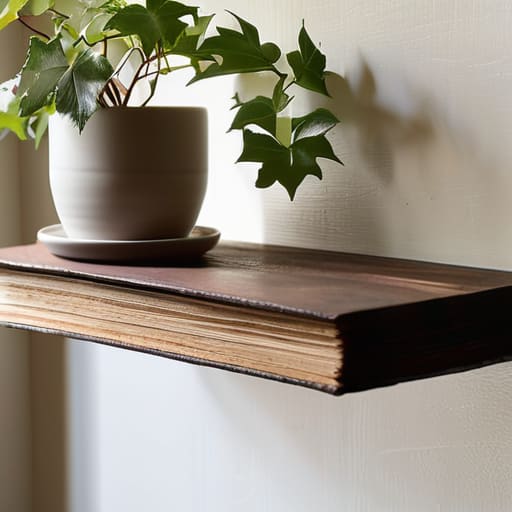
I spent a good chunk of my early twenties living in a studio apartment where every square inch of floor space was precious. When you can’t afford a massive bookshelf, you have to look up. I started scavenging for thick, sturdy pieces of reclaimed wood or even old, heavy-duty crates from local shops. The trick isn’t to make them look like they belong in a high-end boutique; it’s about finding something with a bit of character and mounting it securely so it actually holds your heavy coffee table books.
Upcycled Glass Jar Organizers
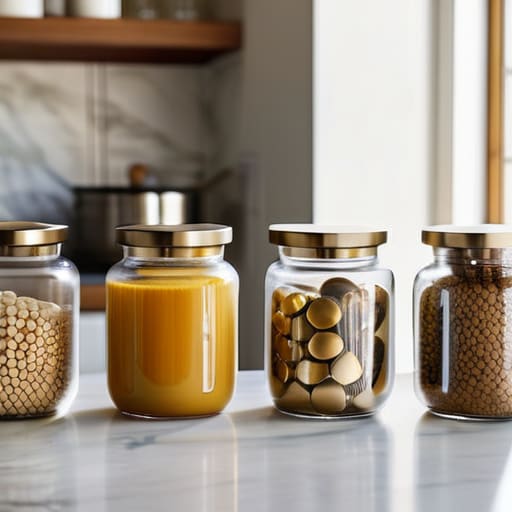
Let’s be real: most of us have a cabinet overflowing with mismatched jars from pasta sauce or pickles. Instead of tossing them, I’ve learned to lean into them as a way to bring some cohesion to my kitchen or bathroom. If you clean them thoroughly and maybe even spray-paint the lids a uniform matte black or brushed gold, they suddenly look like a curated set rather than kitchen scraps.
Texture-Heavy Textile Refresh
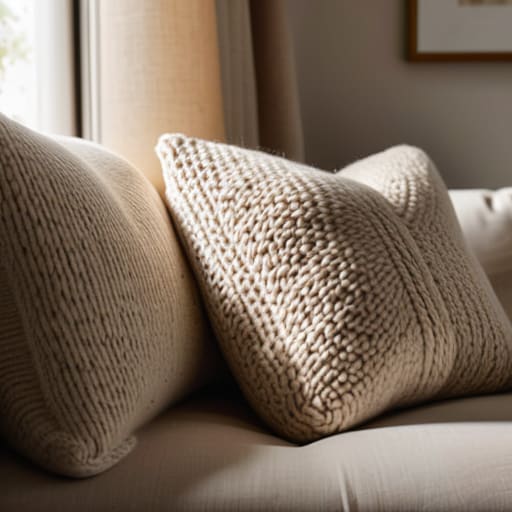
If you’re staring at a room that feels “blah” but you don’t have the energy for a full renovation, stop looking at the walls and start looking at your fabrics. I’m a huge believer in the power of tactile layers. You don’t need to buy a whole new sofa; you just need a couple of high-quality throw pillows or a chunky knit blanket to break up the flat surfaces. I often find myself scouring thrift stores for linen or heavy cotton covers that I can wash and repurpose.
The Low-Maintenance Greenery Nook
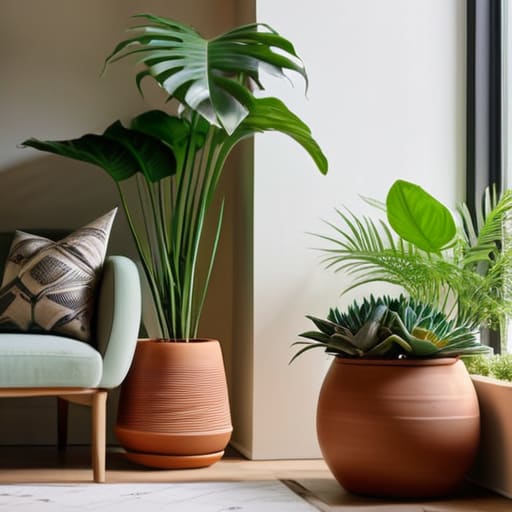
My urban gardening hobby started because I wanted life in my apartment, but I didn’t want a part-time job tending to it. For DIY decor that actually lasts, I recommend grouping plants of different heights in a corner using mismatched ceramic pots or even old terracotta planters you’ve given a quick scrub. This creates a living focal point that breathes life into a corner without requiring you to rearrange your entire layout.
Framed Found Art
I’ve never been one for mass-produced, generic prints that you see in every big-box retailer. Instead, I love creating “art” out of things that actually mean something to my daily life. This could be a beautiful vintage map of the city where I grew up, a dried botanical specimen from my garden, or even a particularly interesting piece of textured wallpaper scrap. All it takes is a decent, simple frame to turn a piece of paper into a statement piece.
The Real Goal of DIY
Stop trying to recreate a Pinterest board that doesn’t account for your actual life; instead, build things that solve your problems and actually make your space feel like it belongs to you.
Audrey Lin-McCallum
Making It Your Own
At the end of the day, these projects aren’t about achieving that untouchable, magazine-ready look that makes you feel like you can’t even sit on your own sofa. Whether you’re repurposing old crates for storage, breathing new life into a thrifted lamp, or just organizing your surfaces so they actually serve a purpose, the goal is the same: creating a home that supports your daily rhythm. We’ve looked at how simple, low-maintenance tweaks—from clever shelving to textured accents—can transform a room without breaking your budget or your spirit. It’s about choosing functional beauty over high-maintenance clutter, ensuring that every piece you add to your space has a reason to be there.
If you’re feeling a bit overwhelmed by the idea of starting, my best advice is to just pick one thing. Don’t try to overhaul your entire apartment in a single weekend; that’s a one-way ticket to burnout. Grab your notebook, pick one corner that’s been bugging you, and see what you can do with what you already have on hand. Your home should be a sanctuary that evolves alongside you, not a static showroom that demands constant upkeep. Remember, we are building systems that work for us, not the other way around. You’ve got this, and honestly? Progress is much better than perfection.
Frequently Asked Questions
I love the idea of repurposing old furniture, but how do I know if a piece is actually worth fixing or if I'm just wasting my weekend on a lost cause?
Look, I’ve definitely spent a Saturday scrubbing a dresser only to realize it was basically expensive firewood. My rule of thumb? Check the bones. If it’s solid wood rather than particle board, it’s usually worth the effort. Check for structural integrity—does it wobble? Are the joints loose? If the damage is just surface-level, like a bad finish or a scratch, go for it. But if it’s structural rot or heavy termite damage, walk away. Your time is too precious for a lost cause.
Since I live in a smaller space, are there any specific DIY decor projects that won't just end up making my apartment feel cluttered and overwhelming?
I totally get it. When you’re working with limited square footage, “decorating” can quickly turn into “cluttering” if you aren’t careful. My rule of thumb? If it doesn’t serve a purpose, it probably shouldn’t live on your surfaces. Think vertical—like floating shelves or hanging planters—to keep your floor space clear. Focus on multi-functional pieces, like a vintage trunk that doubles as a coffee table. If it doesn’t add function, skip it.
What are some budget-friendly ways to make DIY projects look intentional and high-quality rather than just looking like a craft project gone wrong?
The secret is all in the finish and the “rule of three.” If you’re painting an old side table, skip the cheap spray paint and invest in a decent sander and a matte primer; it makes all the difference. Also, avoid the “clutter trap.” Instead of grouping five random knick-knacks, try three items of varying heights. It stops looking like a hobbyist’s desk and starts looking like a curated corner. Focus on texture, not just color.