I used to think that if I didn’t own a professional-grade meat thermometer and a kitchen full of expensive gadgets, I was somehow destined to eat dry, rubbery protein every single night. I’ve spent way too many Tuesday evenings staring at a sad, grey slab of meat, wondering why every “expert” tutorial on how to cook chicken breast made it look like a high-stakes chemistry experiment. Honestly, the internet has turned a basic staple into this unnecessarily complicated ordeal that requires a culinary degree just to avoid a choking hazard.
I’m over the hype, and I know you are too. My goal here isn’t to teach you how to make a five-star reduction or master French techniques; it’s about building a reliable system that works when you’re tired and your brain is fried. I’m going to show you the most efficient, low-maintenance ways to get juicy, flavorful results using the tools you actually have in your kitchen. No fluff, no expensive nonsense—just practical methods that fit into a real schedule so you can eat well and get on with your life.
Table of Contents
The Best Way to Brine Chicken for Real Life Schedules
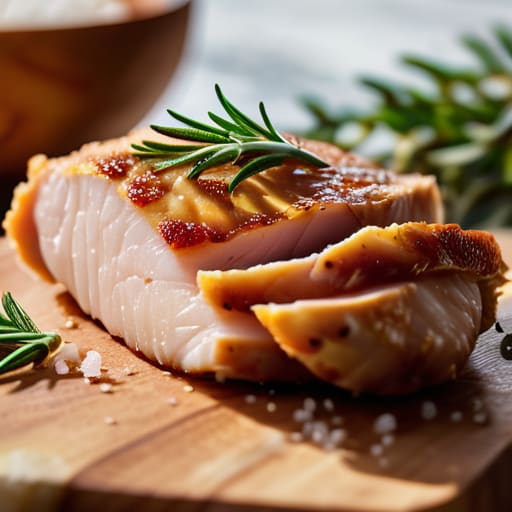
Look, I get it. The idea of “brining” usually conjures up images of someone standing over a kitchen sink for three hours, waiting for a bucket of saltwater to work its magic. When you’re juggling freelance deadlines and trying to keep your indoor plants alive, that’s just not happening. But if you want to master preventing dry chicken breast, you really shouldn’t skip this step. The secret isn’t a complicated chemistry project; it’s just about controlled moisture.
If you have a little extra time, a traditional wet brine in a bowl of salt and water is great. But for my real-life schedules, I swear by the dry brine method. About thirty minutes before you plan to cook, just sprinkle a generous amount of salt over the meat and let it sit on the counter. It penetrates the fibers much faster than a wet soak, and it actually helps the skin get crispier if you’re using a pan-seared chicken breast method later. It’s low-effort, zero-mess, and honestly, it’s the absolute best way to brine chicken without turning your kitchen into a swamp.
Simple Chicken Breast Seasoning Ideas That Actually Work
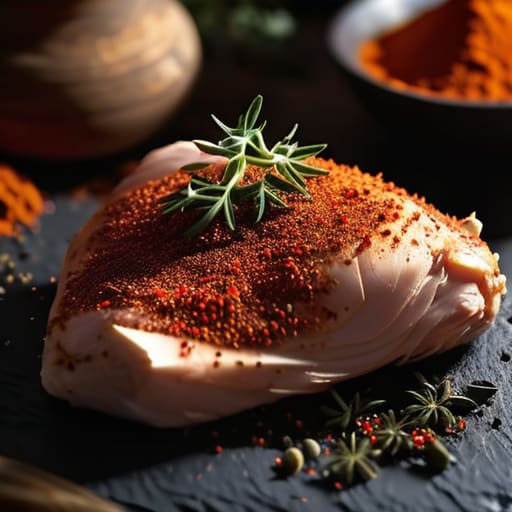
Once you’ve handled the brining, the real fun (and the real risk of boredom) begins with the seasoning. I’ve learned the hard way that “salt and pepper” is fine, but it’s rarely enough to make a Tuesday night feel like anything other than a chore. If you’re looking for quick chicken breast seasoning ideas, I’m a huge fan of the “dry rub and go” approach. Mix some smoked paprika, garlic powder, and a pinch of dried oregano in a small jar. It gives you that deep, savory flavor without needing to chop a single fresh herb. It’s the kind of low-effort win that makes a massive difference.
If you’re feeling a bit more ambitious, try a lemon-herb combo. Zest a lemon directly over the meat and hit it with some fresh thyme. This works beautifully if you’re using a pan-seared chicken breast method, as the citrus oils hit the hot pan and create a fragrant crust. Just remember: no matter how good the spices are, the seasoning won’t save you if you overcook it. Keep an eye on that meat to ensure you hit the right internal temperature every single time.
Five Ways to Stop Making Dry, Sad Chicken
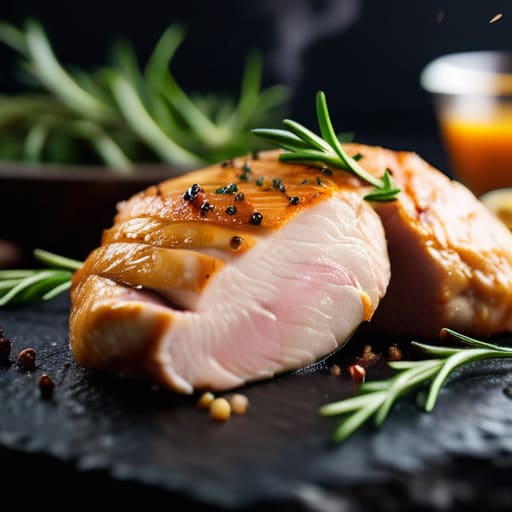
- Buy a cheap digital meat thermometer. Seriously, stop guessing by cutting into the meat to see if it’s pink; you’re just letting all the juices escape. Pull that chicken off the heat at 160°F, and carry-over cooking will bring it to the safe 165°F mark while it rests.
- Don’t be afraid to pound it out. Chicken breasts are notoriously uneven—thick at one end and paper-thin at the other. Use a heavy pan or even a rolling pin to even out the thickness so the whole piece cooks at the same rate instead of one half being rubbery while the other is raw.
- Let it rest before you touch it. I know, it’s tempting to slice in immediately because you’re hungry, but if you don’t give it five minutes to settle, all that moisture you worked so hard for is just going to pool on your cutting board.
- Pat it dry with paper towels. If you throw damp chicken into a pan, it’s going to steam instead of sear. You want that golden-brown crust—that’s where the flavor lives—so make sure the surface is bone-dry before any oil hits the pan.
- Use a heavy-bottomed pan if you have one. You don’t need a professional kitchen, but a decent skillet holds heat much better than a thin, cheap one. This means when you drop the meat in, the temperature doesn’t plummet, giving you a much better sear without overcooking the middle.
## Forget the Culinary Perfectionism
“Look, we aren’t trying to win a Michelin star here; we’re just trying to get a decent, high-protein meal on the table without it turning into a dry, flavorless chore that makes us want to order takeout instead.”
Audrey Lin-McCallum
Stop Stressing the Stove
At the end of the day, cooking a decent chicken breast doesn’t require a culinary degree or a kitchen full of expensive gadgets. We’ve covered the essentials: a quick brine to keep things juicy when you’re in a rush, and some straightforward seasoning combos that won’t leave you staring blankly at a spice rack for twenty minutes. Whether you’re opting for a simple salt-and-pepper approach or experimenting with a bit of garlic and dried herbs, the goal is the same—getting a functional, delicious meal on the table without the mental burnout. Remember, if the chicken is cooked through and it tastes good, you have won the battle.
I know how it feels when your to-do list is a mile long and the last thing you want to do is “perform” cooking for an audience of one. But there is a quiet kind of satisfaction in mastering these small, repetitive tasks. Once you have these basic systems down, chicken stops being a source of evening anxiety and starts being just another tool in your kit for staying fueled and focused. Don’t aim for a Michelin star; just aim for a meal that works for your life. You’ve got this, and your future, less-stressed self will definitely thank you.
Frequently Asked Questions
How do I stop my chicken from turning into a dry, rubbery mess every single time?
Honestly, the “dry and rubbery” struggle is usually just a symptom of overthinking the heat. Most people cook chicken like they’re trying to punish it. You’re likely either using a flame that’s way too high or leaving it in the pan way too long. Try using a meat thermometer—it’s a game changer. Pull it off the heat at 160°F; carryover cooking will take it to 165°F while it rests, keeping it juicy.
Is it actually worth it to use a meat thermometer, or am I just adding another step to an already busy week?
Look, I get it. When you’re already juggling a dozen tasks, adding “check temperature” feels like just another chore. But honestly? Get the thermometer. It’s the ultimate productivity hack for your kitchen. Instead of hovering over a hot pan or playing “cut it open to check” (which just dries the meat out), you can walk away, finish your emails, and come back knowing it’s perfect. It’s one tiny investment to stop the guesswork.
Can I prep these chicken breasts ahead of time for the week without them getting weird in the fridge?
Yes, you absolutely can, and honestly, it’s a total lifesaver for those “what’s for dinner?” meltdowns on a Tuesday. Just don’t overdo it with the salt if you’re marinating them; otherwise, the texture gets a bit rubbery. My rule of thumb? Keep them in an airtight container or a heavy-duty zip bag for up to three days. If you’re prepping for longer, cook them first, let them cool, and then freeze.