I’m going to say something that might get me kicked out of certain lifestyle circles: stop trying to curate a “minimalist aesthetic” while you’re packing your life into cardboard boxes. I see these endless threads of organized, color-coded moving tips that suggest you should spend three weeks labeling every single spice jar with a label maker before you even call a truck. It’s exhausting, it’s expensive, and frankly, it’s a lie. When I moved from my tiny studio to my current place, I didn’t achieve peace through perfect symmetry; I achieved it by realizing that functional chaos is much easier to manage than a failed attempt at perfection.
My goal here isn’t to help you host a Pinterest-worthy relocation ceremony. Instead, I want to give you the gritty, realistic moving tips that actually save your sanity and your budget. We are going to focus on building systems that work for your actual schedule—like the “open-first” box strategy and the art of the strategic purge. I’m sharing the lessons I learned the hard way so you can build a space that works for you, rather than spending your entire moving week fighting with bubble wrap.
Table of Contents
A Relocation Planning Timeline That Doesnt Break You

The biggest mistake I see people make is treating a move like a weekend sprint. If you wait until the week before to start, you aren’t planning; you’re just panicking. A realistic relocation planning timeline needs to start at least six weeks out. I like to break it down into “zones” of intensity. Month one is all about the heavy lifting—specifically the mental kind. This is when you tackle the big decisions, like researching movers or creating a realistic budgeting for a move so you don’t end up eating ramen for three months just to cover the security deposit.
By week three or four, the focus shifts to the physical stuff. This is the sweet spot for decluttering before moving, because let’s be real: there is no point in paying someone to haul your “maybe one day” junk across the city. I always tell my clients to grab a stack of boxes and start purging now. Once you’ve slimmed down your inventory, you can finally start gathering your packing supplies essentials—the good tape, the sturdy boxes, and plenty of markers—without feeling like you’re drowning in a sea of bubble wrap.
Smart Budgeting for a Move Without the Guilt
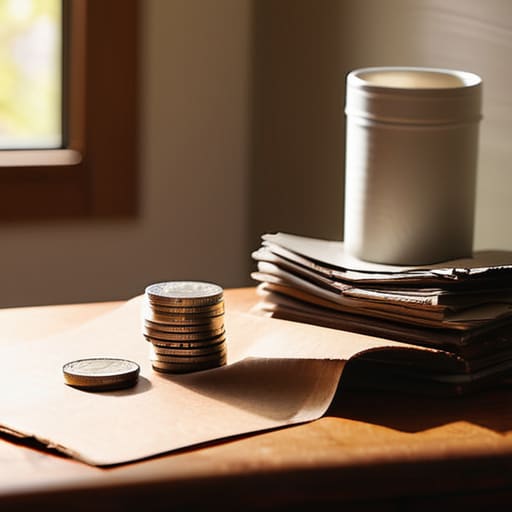
Let’s be real: moving is expensive, and the “hidden” costs have a way of creeping up like uninvited houseguests. When I’m budgeting for a move, I don’t aim for a perfect spreadsheet that accounts for every single paperclip; I focus on the big, unavoidable chunks first. Start by getting a realistic quote from movers or a truck rental, then set aside a “sanity fund” for the stuff you’ll inevitably forget—like that extra roll of tape or the specific cleaning supplies you need for the old place.
One of the best ways to keep costs from spiraling is to embrace a little ruthless decluttering before moving. Every item you decide not to take is one less thing you have to pay to pack, transport, or store. I’ve learned the hard way that trying to move a life full of “just in case” clutter is a fast track to an empty bank account. Instead of buying every new gadget to make things easier, look at your packing supplies essentials through a lens of utility. Grab some sturdy boxes from a local grocery store or reuse what you have; your wallet (and your stress levels) will thank you.
5 Ways to Pack Without Losing Your Mind (or Your Sanity)

- Forget the “perfectly organized” aesthetic and just pack an “Open First” box. This is your survival kit—think coffee maker, chargers, basic tools, a few plates, and enough toilet paper to get you through the first night without a meltdown.
- Stop buying expensive specialty boxes for everything. I’ve learned that sturdy, uniform-sized cardboard boxes from grocery stores are your best friend, especially if you reinforce the bottoms with actual heavy-duty tape instead of the cheap stuff.
- Label your boxes by room and by priority. Instead of just writing “Kitchen,” try “Kitchen – Daily Use” or “Kitchen – Rarely Used.” It makes a massive difference when you’re standing in your new place at 10 PM trying to find a single spoon.
- Use what you already have to cushion the fragile stuff. I never buy bubble wrap if I can help it; I just use my thickest sweaters, linen tea towels, or even those extra rolls of paper towels to wrap my glassware. It saves money and reduces waste.
- Be ruthless with the “Keep, Donate, Toss” rule before a single box is taped shut. If you haven’t touched that gadget or worn those shoes in a year, don’t pay a mover to transport your clutter to a new zip code. Moving is the best time for a hard reset.
The Real Goal of Moving
Forget about having a perfectly color-coded, Instagram-ready moving day; your only real job is to make sure you can find your toothbrush and your phone charger on the first night without having a meltdown.
Audrey Lin-McCallum
Moving On (Without Losing Your Mind)

Look, at the end of the day, moving is essentially just a massive, high-stakes puzzle. We’ve talked about mapping out a timeline that respects your sanity, setting a budget that won’t leave you eating instant noodles for a month, and building systems that actually work. If you follow these steps, you aren’t necessarily going to have a “magical” experience where every box unpacks itself perfectly, but you will avoid that specific kind of paralysis that comes from trying to do everything at once. The goal isn’t to have a pristine, showroom-ready apartment by Tuesday; the goal is to find your toothbrush and your charger without having a complete meltdown.
Please, give yourself some grace during this transition. There will be a moment—likely around hour four of carrying heavy boxes up a flight of stairs—where you’ll wonder why you didn’t just stay put. That’s normal. Moving is disruptive, messy, and occasionally exhausting, but it’s also a chance to reset your environment on your own terms. You’re not just hauling furniture from point A to point B; you’re setting the stage for your next chapter. Take it one box, one room, and one deep breath at a time. You’ve got this.
Frequently Asked Questions
How do I decide what’s actually worth moving versus what should just be donated or tossed?
The “One-Year Rule” is a good start, but I prefer the “Utility Test.” Ask yourself: If I needed this tomorrow, would I be willing to pay someone to pack it, haul it, and unpack it? If the answer is a hesitant “maybe,” let it go. Don’t waste your precious moving energy on things you only keep out of habit or guilt. If it doesn’t serve your new space, it’s just extra weight.
What are some low-cost ways to pack fragile items if I can't afford a mountain of professional bubble wrap?
Look, I’ve been in that position where the bubble wrap budget just isn’t there. Honestly? Don’t panic. Raid your linen closet. Thick bath towels, heavy sweaters, and even those bulky winter scarves are basically free, high-quality padding. For smaller, breakable stuff like glassware, use your clean kitchen sponges or even crumpled-up newspaper. It’s not the most “aesthetic” way to pack, but it keeps your plates safe without draining your bank account.
How do I manage the chaos of moving when I'm working a full-time job and can't just take a week off?
Look, I’ve been there—trying to coordinate a move while staring at a spreadsheet all day is a special kind of hell. The trick is to stop treating moving like a single, massive event and start treating it like a series of micro-tasks. Dedicate just 20 minutes after work to one specific thing—like packing one single drawer or buying tape. It’s not glamorous, but those tiny wins prevent the “everything is exploding” feeling.