I used to stare at those “ultimate” 50-step deep cleaning checklist guides online and feel nothing but pure, unadulterated dread. You know the ones—they feature sun-drenched, minimalist apartments where the dust doesn’t even seem to exist, promising that if you just buy twelve specific organic sprays and spend your entire Saturday scrubbing baseboards with a toothbrush, you’ll finally achieve inner peace. It’s total nonsense. Real life is messy, your schedule is probably already bursting at the seams, and honestly, if a cleaning routine requires you to sacrifice your entire weekend, it’s a bad system.
I’m not here to sell you on a lifestyle you can’t maintain; I’m here to help you reclaim your space. This isn’t about achieving a curated aesthetic for an Instagram feed; it’s about creating a functional environment that actually works for your real, busy life. I’ve broken down a realistic deep cleaning checklist into manageable, bite-sized chunks that you can tackle without losing your mind. We’re going to focus on high-impact areas and smart shortcuts so you can get your home back in order and actually have time to enjoy it.
Table of Contents
Essential Deep Cleaning Supplies List Without the Aesthetic Fluff
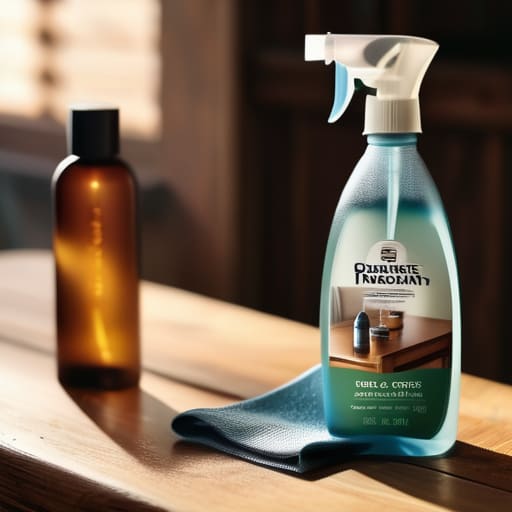
Before you head to the store, let’s get one thing straight: you do not need a color-coordinated set of glass spray bottles or a thirty-piece bamboo scrub brush kit to get the job done. Most of those “aesthetic” cleaning hauls are just expensive clutter. For a real deep cleaning supplies list, I stick to the heavy hitters that actually move dirt. I’m talking about a high-quality microfiber cloth (get the multi-packs, they’re lifesavers), a reliable degreaser for the kitchen, and a decent multi-surface cleaner that won’t leave streaks on my vintage side tables.
If you’re looking for cleaning hacks for efficiency, invest in a sturdy scrub brush with a long handle and a good vacuum with the right attachments. You want tools that do the heavy lifting so your back doesn’t have to. I always keep a small utility bucket handy to carry my essentials from room to room; it keeps me from running back and forth to the cabinet every five minutes. It’s not about how pretty the supplies look on your shelf, it’s about whether they actually tackle the grime when you’re mid-task.
A Room by Room Cleaning Guide That Actually Works
Let’s be real: staring at your entire apartment and thinking, “I need to clean everything,” is the fastest way to end up paralyzed on the couch scrolling through TikTok instead. To avoid that burnout, I swear by a room by room cleaning guide that prioritizes high-impact areas first. Start with the kitchen—not just wiping the counters, but pulling out the toaster to find those lost crumbs and scrubbing the top of the fridge. Once that’s done, move to the bathroom. Instead of just scrubbing the toilet, focus on the hidden grime like the base of the faucet or the tracks of the shower door.
When you move into the living areas, don’t get distracted by organizing your bookshelves by color. That’s a trap. Instead, focus on the dust that actually accumulates: ceiling fans, baseboards, and behind the TV. If you’re feeling ambitious, you can integrate these steps into a broader seasonal cleaning schedule, but the trick is to keep it modular. If you only have twenty minutes, just pick one zone. We aren’t aiming for a museum exhibit; we’re just trying to make the space feel breathable again.
5 Ways to Deep Clean Without Losing Your Mind
- Work top-to-bottom, always. I learned this the hard way when I spent an hour scrubbing my baseboards only to have dust from the ceiling fan settle right back onto them. Start high, end low, and save yourself the double work.
- Set a timer for 20-minute sprints. If you look at a whole-house deep clean as one giant mountain, you’ll never start. I like to put on a podcast, set a timer, and tell myself I only have to focus on one corner of one room. It makes the overwhelm feel a lot more manageable.
- Don’t buy “specialty” cleaners for everything. Most of the time, a good degreaser, some white vinegar, and a decent microfiber cloth will do 90% of the heavy lifting. Save your money for things that actually matter, like better coffee or a new plant.
- Use the “one-in, one-out” rule while you declutter. Deep cleaning is the perfect time to realize you haven’t touched that gadget or those old linens in three years. If you’re cleaning a space, don’t just move the junk around—actually get rid of it so you aren’t just cleaning clutter.
- Accept that it won’t be perfect. There will be a spot behind the fridge or a corner of the closet that stays dusty. That’s fine. We’re aiming for functional and clean, not a showroom floor. If it works for your life, you’ve won.
## The Reality of the Reset
“A deep cleaning checklist shouldn’t be a roadmap to a museum-quality showroom; it’s just a way to clear the mental fog by reclaiming the surfaces you actually touch every single day.”
Audrey Lin-McCallum
The Finish Line (And What Comes After)

At the end of the day, a deep clean isn’t about achieving some sterile, museum-quality state of existence where not a single speck of dust dares to land. It’s about getting the heavy lifting out of the way—scrubbing those neglected baseboards, clearing the grime from the oven, and finally tackling the junk drawer that’s been mocking you for months—so that your home can actually breathe again. We’ve gone through the supplies, organized the rooms, and broken down the chaos into manageable chunks. Now that the checklist is done, you don’t need to maintain this level of intensity every single day. The goal was to reset your foundation, not to trap you in a never-ending cycle of perpetual scrubbing.
If you’re feeling a little exhausted right now, that’s completely normal. Take a second to actually look around at what you’ve accomplished. Notice how the air feels a bit lighter and how much easier it is to move through your kitchen without bumping into clutter. You’ve built a functional space that serves your life, rather than a space that demands all of your energy. Remember, progress over perfection is our mantra here. You don’t need a pristine house to have a good life, but having a space that works for you makes everything else just a little bit easier to handle. Now, go grab a coffee, sit down, and enjoy the view.
Frequently Asked Questions
How do I tackle a deep clean when I only have an hour or two a week to spare?
Honestly? Stop trying to do it all at once. If you only have ninety minutes, a “whole house” deep clean is just a recipe for burnout. Instead, pick one high-traffic zone—like the kitchen or the bathroom—and give it your full focus. Or, better yet, use a “micro-zone” approach: spend one week tackling just the baseboards, and the next just the windows. Small, consistent wins beat a failed marathon every single time.
Are there specific products I can skip to save money without sacrificing actual cleanliness?
Honestly, you can skip most of those “specialized” cleaners. You don’t need a specific spray for your baseboards, your windows, or your granite. Most of that is just clever marketing wrapped in pretty packaging. Stick to the basics: a solid all-purpose cleaner, some dish soap, white vinegar, and maybe a decent degreaser for the kitchen. If it cleans, it cleans. Save your money for things that actually matter—like better quality microfiber cloths.
How do I know when I've actually "deep cleaned" a room versus just tidying it up?
Think of it this way: tidying is just moving the chaos from the floor to a drawer so you can see the carpet. Deep cleaning is when you actually address the stuff underneath the chaos. If you haven’t wiped the baseboards, vacuumed behind the sofa, or dusted the tops of the picture frames, you haven’t deep cleaned—you’ve just rearranged the mess. You’re done when the surfaces you usually ignore are actually clean.